
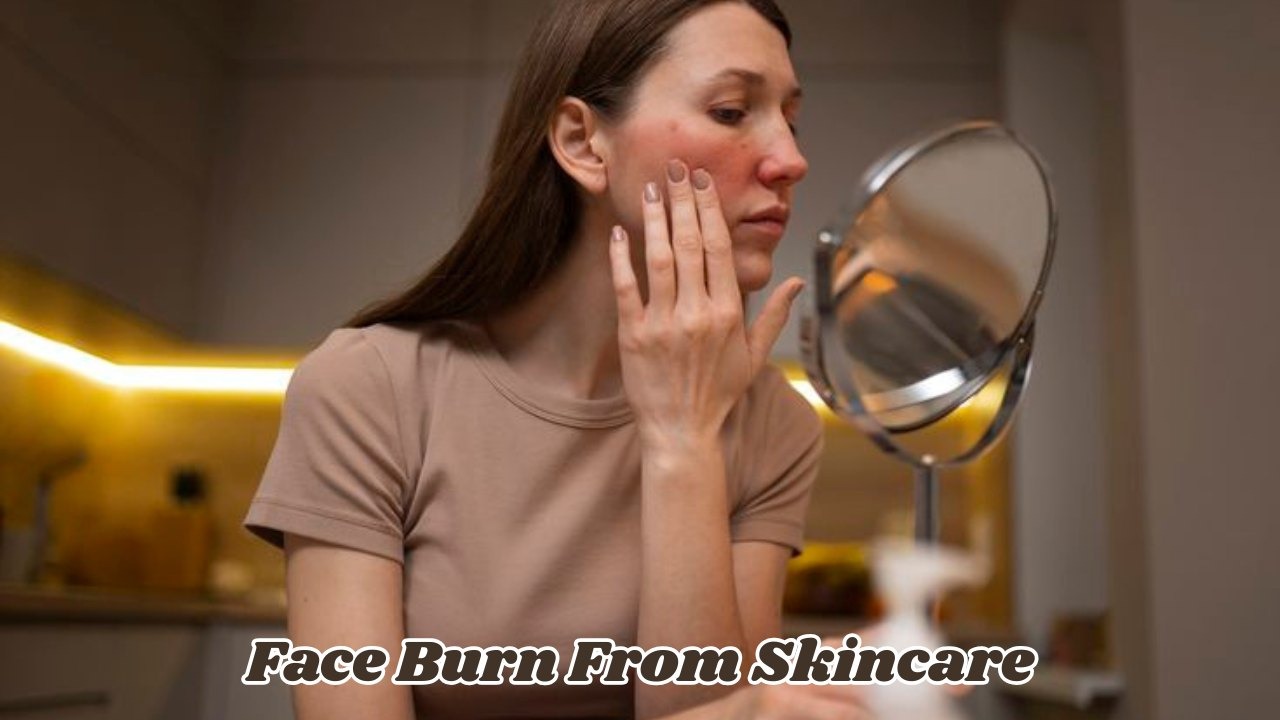
Face burn from skincare is more common than you might think, affecting millions of people who simply want healthier skin. That stinging, red, irritated sensation can transform your beauty routine into a painful experience.
Whether you’re dealing with chemical burns, product sensitivity, or allergic reactions, understanding why your skin reacts this way is the first step toward healing. This article explores the common causes behind skincare irritation, effective treatment methods you can try at home, and essential prevention strategies. We’ll also discuss when that burning sensation signals something serious requiring dermatologist advice. By the end, you’ll know exactly how to protect your skin barrier and enjoy your skincare routine without the unwanted sting.
Understanding Face Burn From Skincare
When your skin reacts negatively to a product, it can range from mild tingling to severe discomfort. Face burn from skincare occurs when ingredients disrupt your skin’s natural protective layer, causing inflammation and irritation. This reaction happens because your skin perceives certain compounds as threats, triggering an immune response that manifests as burning, redness, or swelling.
Your skin barrier serves as your first line of defense against environmental aggressors. When products contain harsh ingredients or when you layer too many actives, this barrier becomes compromised. The result is sensitized skin that reacts to even gentle formulations.
Why Does Your Skin React to Products
Several factors determine how your skin responds to skincare formulations. Sensitive skin types naturally have thinner protective barriers, making them more susceptible to reactions. However, even those with resilient skin can experience burning when using incompatible products or overdoing their routines.
Active ingredients like retinoids, alpha hydroxy acids, and vitamin C work by penetrating skin layers to deliver results. While effective, these potent compounds can cause temporary discomfort, especially during initial use. The key lies in understanding the difference between normal adjustment periods and genuine adverse reactions.
Common Causes of Skincare Burning Sensations
Ingredient Sensitivity and Allergic Reactions
Not every ingredient suits every person. Face burn from skincare frequently stems from individual sensitivities to specific compounds. Fragrances, preservatives, and certain plant extracts rank among the most common culprits behind contact dermatitis and irritation.
Allergic reactions differ from simple sensitivity because they involve your immune system. These reactions may worsen with repeated exposure, making ingredient awareness crucial for long term skin health.
Over Exfoliation and Barrier Damage
Enthusiastic exfoliation represents one of the leading causes of skincare irritation. Using chemical exfoliants too frequently or combining multiple exfoliating products strips away protective layers faster than your skin can rebuild them.
Signs of over exfoliation include:
- Persistent tightness and dryness after cleansing
- Increased redness that doesn’t subside
- Flaking or peeling skin texture
- Heightened sensitivity to previously tolerated products
- Unusual breakouts or congestion
Product Interactions and Layering Mistakes
Combining certain ingredients creates reactions that neither product would cause alone. Mixing actives like benzoyl peroxide with retinol or vitamin C with niacinamide at high concentrations can neutralize benefits while maximizing irritation potential.

How to Treat Face Burn From Skincare
Immediate Steps for Relief
When you experience face burn from skincare, acting quickly minimizes damage. First, rinse the affected area with cool water to remove residual product. Avoid hot water, which exacerbates inflammation and increases discomfort.
Apply a soothing moisturizer containing ceramides, hyaluronic acid, or aloe vera to calm irritation. These ingredients help restore barrier function while providing immediate comfort. Refrigerating your moisturizer beforehand enhances its cooling effect.
Building a Recovery Routine
Healing compromised skin requires patience and simplicity. Strip your routine down to basic essentials including a gentle cleanser, hydrating moisturizer, and broad spectrum sunscreen. Avoid all active ingredients until irritation completely resolves.
Essential recovery products include:
- Fragrance free gentle cleansers
- Ceramide rich barrier repair creams
- Hydrating serums with soothing ingredients
- Mineral sunscreens that sit on skin without absorption
- Overnight healing masks for intensive repair
When to Seek Professional Help
Most cases of face burn from skincare resolve within days with proper care. However, certain symptoms warrant dermatologist consultation. Seek medical attention if burning persists beyond a week, blisters develop, or you experience difficulty breathing alongside facial reactions.
Prevention Strategies for Future Protection
Avoiding future reactions starts with mindful product selection and application. Always perform patch tests before introducing new products to your routine. Apply a small amount behind your ear or on your inner arm and wait 24 to 48 hours for reactions.
Introduce new active ingredients gradually, starting with once or twice weekly application before increasing frequency. This approach allows your skin time to build tolerance without overwhelming its defenses. Reading ingredient labels carefully helps you identify and avoid known irritants.
Maintaining a healthy moisture barrier through consistent hydration creates resilience against potential irritants. Well hydrated skin tolerates active ingredients better and recovers faster from minor reactions.
Conclusion
Experiencing face burn from skincare can feel frustrating, but understanding the causes empowers you to take control. By recognizing symptoms of ingredient sensitivity, avoiding over exfoliation, and being mindful of product interactions, you protect your skin from unnecessary damage. Remember that healing requires patience and a simplified routine focused on barrier repair and hydration.
Prevention remains your best strategy moving forward. Always patch test new products, introduce active ingredients slowly, and listen to your skin’s signals. When face burn from skincare occurs, act quickly with soothing treatments and consult a dermatologist if symptoms persist. Your journey to healthy, comfortable skin starts with informed choices.