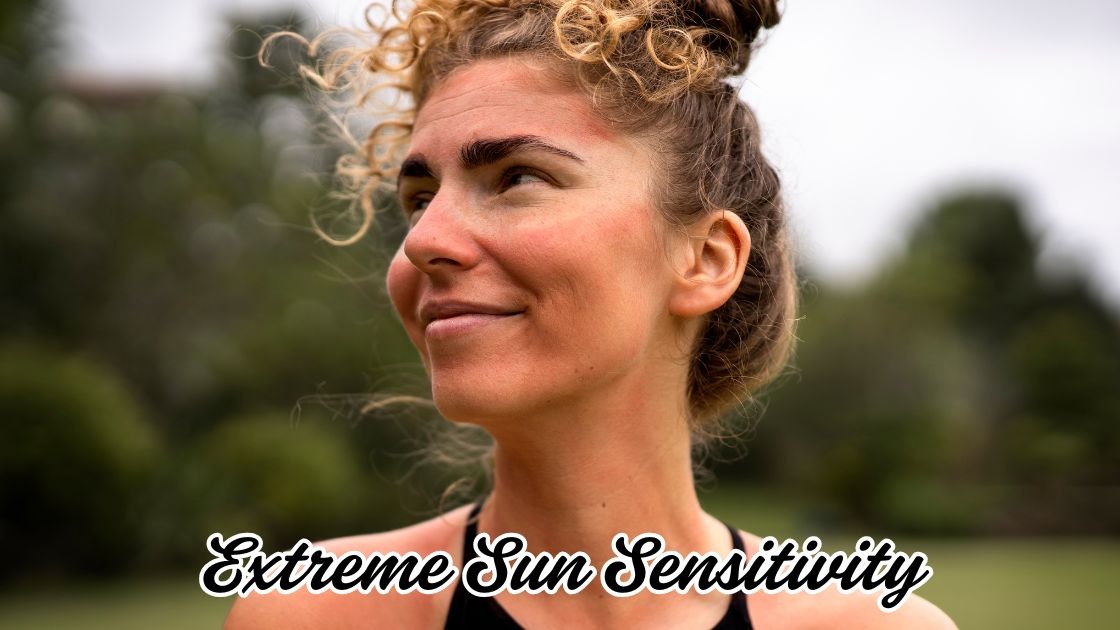
Extreme sun sensitivity affects millions of people worldwide, transforming ordinary outdoor activities into painful experiences. This condition, medically known as photosensitivity, occurs when your skin reacts abnormally to ultraviolet (UV) rays, causing symptoms ranging from mild irritation to severe allergic reactions.
Whether triggered by medications, underlying health conditions, or genetic factors, understanding why your skin overreacts to sunlight is the first step toward finding relief. In this comprehensive guide, we’ll explore the common causes behind sun intolerance, recognize warning signs you shouldn’t ignore, and discover effective sun protection strategies that can help you enjoy the outdoors safely. If you’ve been hiding from the sun, it’s time to take back control of your life.
What Is Extreme Sun Sensitivity?
Extreme sun sensitivity, or photosensitivity, refers to an abnormal reaction of the skin when exposed to sunlight. Unlike a typical sunburn that develops after prolonged exposure, people with this condition experience skin reactions within minutes of stepping outdoors. The immune system essentially treats sunlight as a threat, triggering inflammatory responses that can range from uncomfortable to debilitating.
This condition differs significantly from normal sun damage. While everyone can get sunburned with enough exposure, those with photosensitive skin react to UV light levels that wouldn’t affect most people. The reactions can occur even on cloudy days or through window glass, making daily life challenging for sufferers.
Types of Photosensitivity Reactions
Understanding the different categories helps identify your specific condition and find appropriate treatment.
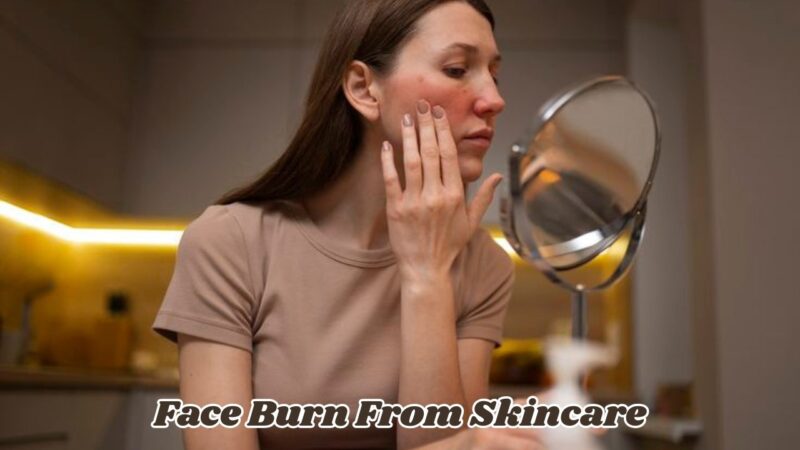
Photoallergic reactions occur when sunlight interacts with certain chemicals on the skin, such as ingredients in sunscreens, fragrances, or topical medications. This triggers an allergic response that typically appears 24 to 48 hours after exposure.
Phototoxic reactions happen when UV rays activate certain substances in the body, usually medications, causing direct damage to skin cells. These reactions often resemble severe sunburns and develop more quickly than photoallergic responses.
Idiopathic photodermatoses include conditions like polymorphous light eruption and solar urticaria, where the exact mechanism remains unclear but the sun consistently triggers symptoms.
Common Causes Behind Sun Intolerance
Medication Induced Photosensitivity
Many common medications can dramatically increase your skin’s vulnerability to sunlight. This drug induced photosensitivity affects thousands of patients who may not realize their prescription is the culprit.
- Antibiotics like doxycycline and tetracycline rank among the most common triggers
- Nonsteroidal anti inflammatory drugs including ibuprofen and naproxen
- Diuretics and blood pressure medications such as hydrochlorothiazide
- Certain antidepressants and antipsychotic medications
- Retinoids used for acne treatment and anti aging purposes
Underlying Health Conditions
Several autoimmune and genetic disorders feature extreme sun sensitivity as a primary symptom. Lupus patients often experience the distinctive butterfly rash after sun exposure, while those with xeroderma pigmentosum lack the ability to repair UV damage entirely. Other conditions linked to photosensitivity include dermatomyositis, porphyria, and certain metabolic disorders.
Genetic and Environmental Factors
Some individuals inherit a predisposition to light sensitivity through their genetic makeup. Fair skinned individuals with less protective melanin naturally face higher risks. Environmental factors like altitude, reflective surfaces, and geographic location also influence how intensely UV rays affect your skin.
Recognizing the Warning Signs
People experiencing abnormal sun reactions should watch for these telltale symptoms:
- Rapid onset of redness, burning, or stinging within minutes of sun exposure
- Development of hives, blisters, or raised bumps on exposed areas
- Intense itching or pain that seems disproportionate to time spent outdoors
- Rashes appearing in patterns matching clothing lines or sun exposed zones
- Symptoms occurring even through windows or on overcast days
These signs often distinguish true photosensitivity disorders from ordinary sunburn, which typically requires extended exposure to develop.

Effective Protection Strategies
Daily Sun Safety Habits
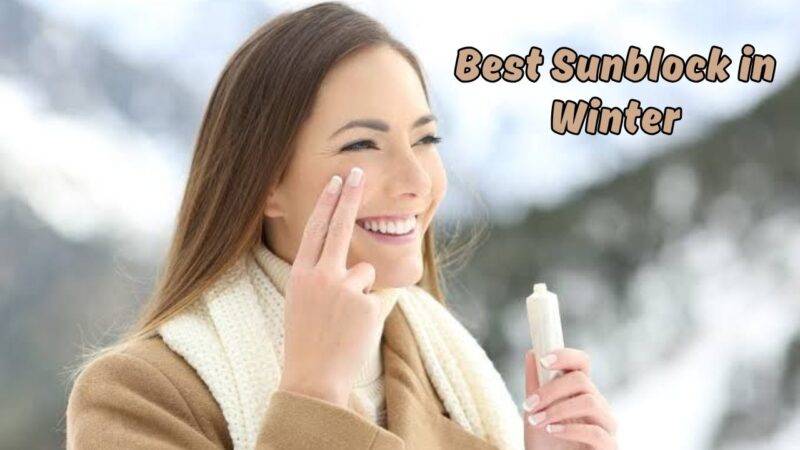
Managing extreme sun sensitivity requires consistent protective measures. Wearing broad spectrum sunscreen with SPF 30 or higher provides essential protection, though some individuals may need mineral based formulas to avoid triggering photoallergic reactions. Reapplication every two hours remains crucial, especially during peak UV hours between 10 AM and 4 PM.
Protective clothing offers reliable defense against harmful rays. Look for garments with UPF ratings, which indicate how much UV radiation the fabric blocks. Wide brimmed hats, UV blocking sunglasses, and long sleeves create physical barriers between your skin and sunlight.
Medical Treatment Options
Consulting a dermatologist helps identify your specific triggers and develop a personalized management plan. Treatment approaches may include antihistamines for allergic reactions, topical corticosteroids for inflammation, or phototherapy to gradually build tolerance. In medication related cases, your doctor might adjust prescriptions or recommend alternative drugs with lower photosensitivity risks.
Living Well Despite Extreme Sun Sensitivity
Adapting your lifestyle doesn’t mean abandoning outdoor activities entirely. Planning excursions during early morning or evening hours reduces UV exposure significantly. Creating shaded outdoor spaces at home allows you to enjoy fresh air safely. Many people with chronic photosensitivity find that combining multiple protection strategies enables them to maintain active, fulfilling lives while keeping their symptoms under control.
Conclusion
Living with extreme sun sensitivity doesn’t mean you must avoid the outdoors entirely. By understanding your triggers, whether they stem from medications, autoimmune conditions, or genetic factors, you can take proactive steps to protect yourself effectively. Implementing proper sun protection strategies like wearing UPF clothing, applying broad spectrum sunscreen, and timing your outdoor activities wisely makes a significant difference in managing symptoms.
Remember that extreme sun sensitivity is a manageable condition with the right approach. If your symptoms persist or worsen, don’t hesitate to consult a dermatologist who can provide personalized treatment options. With proper care and awareness, you can enjoy a fulfilling life while keeping your skin safe and healthy.