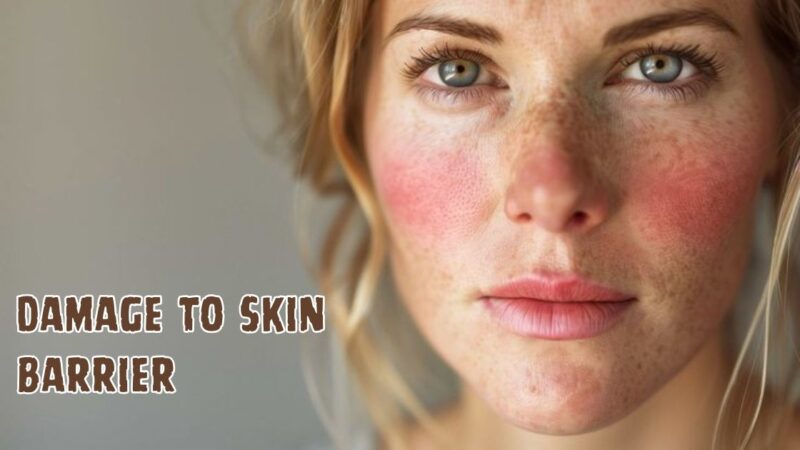
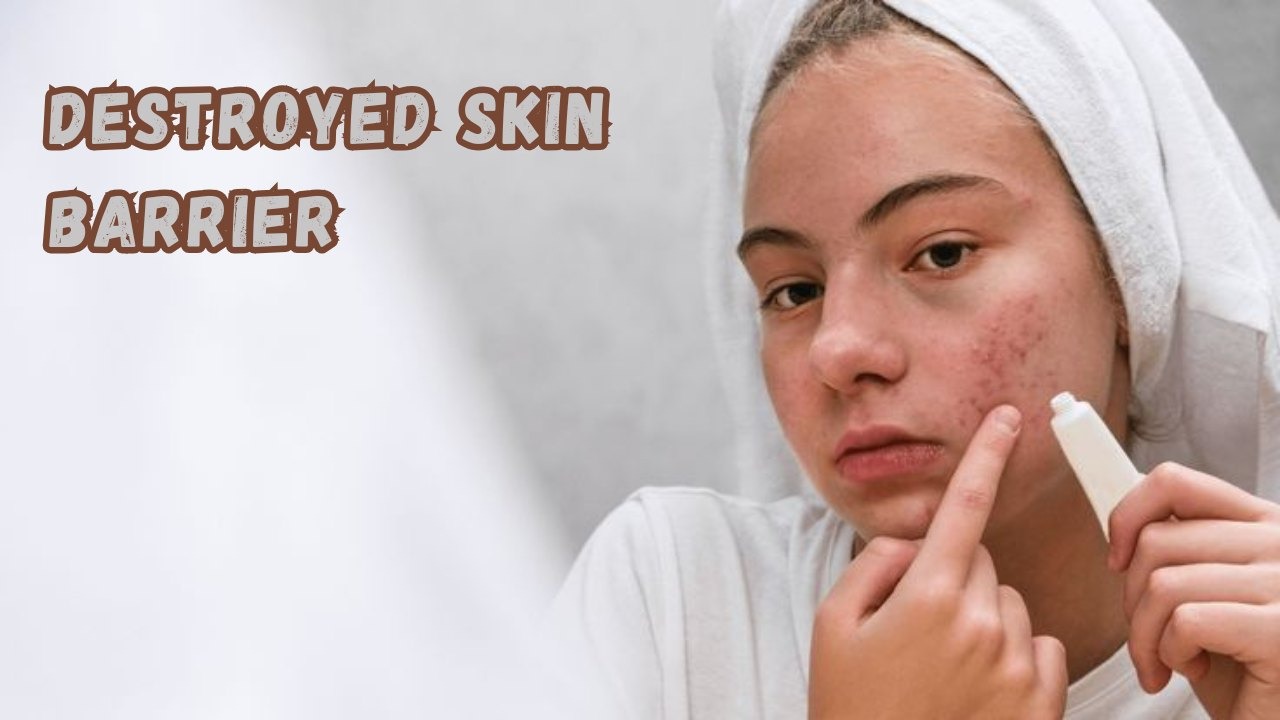
A destroyed skin barrier could be the hidden culprit behind your skincare struggles. Your skin’s protective layer acts as a shield against environmental aggressors, but when compromised, it leads to countless problems.
This comprehensive guide will walk you through everything you need to know about identifying, treating, and preventing barrier damage. You’ll discover the common causes of a compromised complexion, recognize the warning signs of moisture loss, and learn effective strategies to rebuild your skin health. Whether you’re dealing with sensitive skin, persistent dryness, or unexplained redness, understanding this condition is the first step toward achieving a radiant, healthy-looking face again. Let’s dive into the science behind barrier repair and reclaim your natural glow.
What Is a Destroyed Skin Barrier?
Your skin barrier, also known as the stratum corneum, serves as your body’s first line of defense against external threats. When you have a destroyed skin barrier, this protective shield becomes weakened and unable to perform its essential functions. Think of it like a brick wall where the mortar has crumbled, leaving gaps that allow irritants to penetrate while moisture escapes.
How Your Skin’s Protective Layer Works
The barrier consists of skin cells bound together by lipids, including ceramides, cholesterol, and fatty acids. This structure maintains hydration levels, blocks bacteria, and shields against pollution and UV damage. A healthy barrier keeps your complexion balanced, smooth, and resilient against daily environmental stressors.
Common Causes Destroyed Skin Barrier
Understanding what leads to a destroyed skin barrier helps you avoid making the same mistakes. Multiple factors contribute to this condition, and often several work together to compromise your skin.
- Over exfoliating with harsh chemical exfoliants or physical scrubs strips away protective layers faster than they can regenerate
- Using products with high concentrations of active ingredients like retinoids, acids, and vitamin C without proper introduction
- Exposure to extreme weather conditions including cold winds, dry air, and intense sun damages the outer layer
- Washing your face with hot water and harsh cleansers removes natural oils essential for barrier function
- Stress and lack of sleep disrupt your body’s natural repair processes and increase inflammation
Warning Signs Your Barrier Is Compromised
Recognizing the symptoms early allows for faster recovery and prevents further damage to your skin health.
Physical Symptoms to Watch For
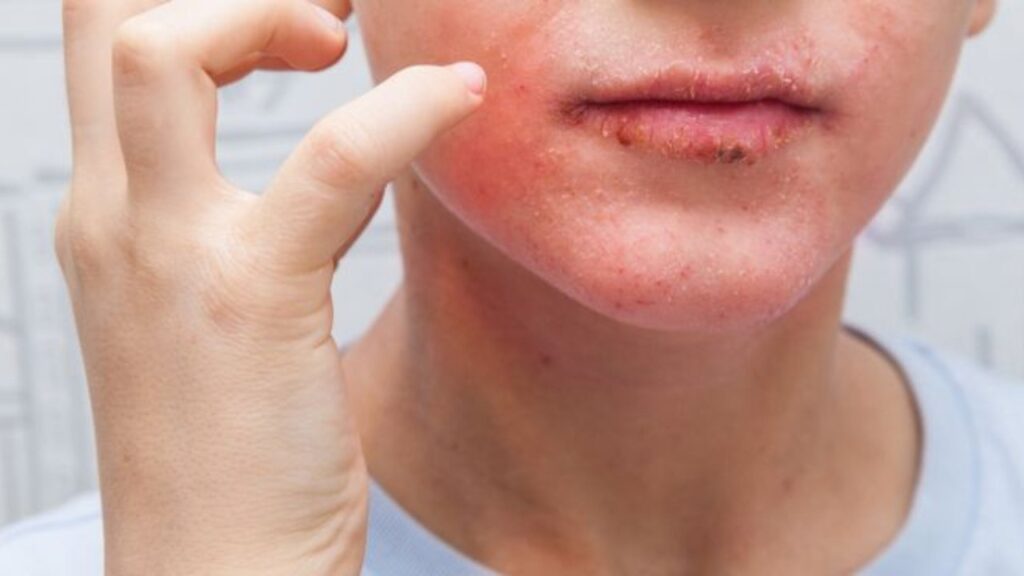
A destroyed skin barrier manifests through various uncomfortable symptoms that affect both appearance and sensation. Your complexion may display multiple warning signs simultaneously.
- Persistent redness and irritation that doesn’t improve with typical skincare products
- Increased sensitivity to products you previously tolerated without issues
- Tight, dry, or flaky patches that appear regardless of moisturizing efforts
- Unusual breakouts or acne in areas where you don’t typically experience them
- A dull, rough skin texture that lacks its usual radiance and smoothness
How to Heal a Destroyed Skin Barrier
Restoring your barrier requires patience and a strategic approach. The healing process typically takes four to six weeks when following proper protocols consistently.
Step One: Simplify Your Routine
Strip your regimen down to basics immediately. Remove all active ingredients, exfoliants, and potentially irritating products. Focus only on gentle cleansing, moisturizing, and sun protection until healing occurs.
Step Two: Choose the Right Ingredients
Incorporate barrier repair products containing proven restorative ingredients. Look for formulations featuring hyaluronic acid for hydration, niacinamide for inflammation reduction, and ceramide complexes that mimic your skin’s natural lipid structure.
Step Three: Protect and Prevent
Apply broad spectrum sunscreen daily, even indoors. UV exposure significantly slows healing and can worsen a destroyed skin barrier. Adding a humidifier to your space helps keep the air moist and supports your skin’s healing process.
Best Ingredients for Barrier Repair
Selecting products with skin loving ingredients accelerates the restoration process significantly. Ceramides replace depleted lipids and strengthen the protective layer. Squalane provides lightweight yet effective moisturization without clogging pores. Centella asiatica, also called cica, offers powerful soothing properties that calm irritation. Panthenol, or vitamin B5, attracts moisture and supports natural healing mechanisms.
Tips for Long Term Skin Health
Preventing future damage proves easier than repeated repair cycles. Test new products on a small area of skin before applying them to your entire face. Introduce potent actives gradually, starting with lower concentrations applied less frequently. Listen to your skin and adjust your routine seasonally as environmental conditions change. Maintain a consistent skincare routine rather than constantly switching products. Finally, remember that healthy skin reflects overall wellness, so prioritize sleep, hydration, and stress management for lasting results.
Conclusion
Dealing with a destroyed skin barrier can feel frustrating, but recovery is absolutely achievable with the right approach. By understanding the causes, recognizing early warning signs, and implementing a simplified skincare routine, you can restore your complexion to its healthy state. Remember that patience remains essential throughout the healing process, typically requiring four to six weeks of consistent care. Focus on gentle, barrier repairing ingredients like ceramides, hyaluronic acid, and niacinamide while avoiding harsh products. Prioritize sun protection and listen to your skin’s needs. With dedication and proper care, you’ll enjoy a resilient, glowing complexion once again.