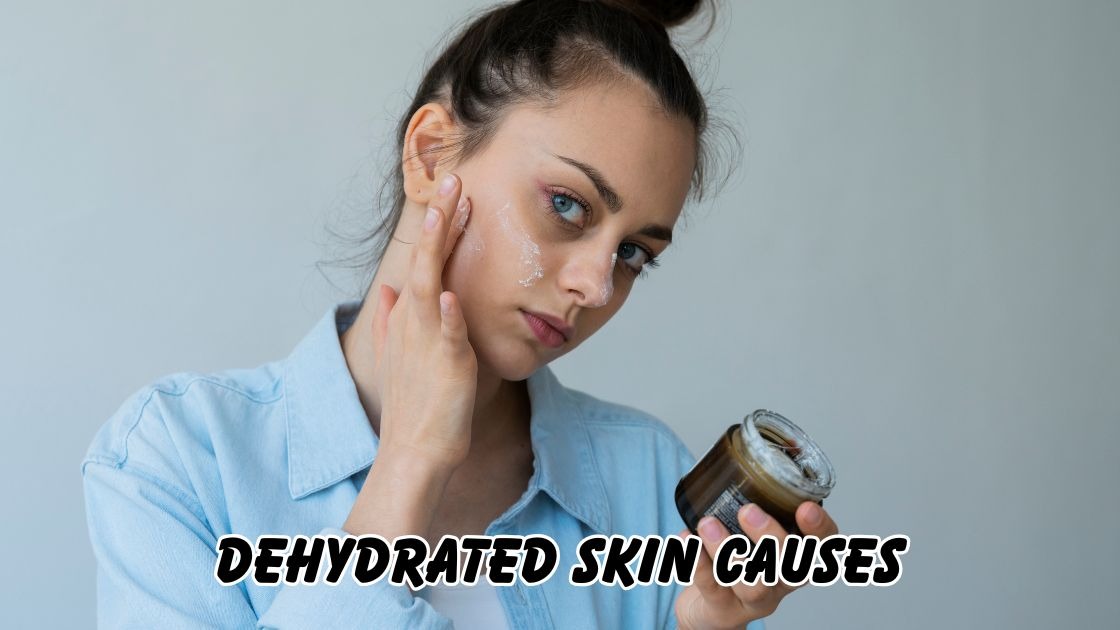
Understanding dehydrated skin causes is the first step toward restoring your natural glow. Unlike dry skin, which lacks oil, dehydrated skin lacks water and almost anyone can experience it regardless of skin type.
From environmental factors to lifestyle habits, multiple culprits could be stealing your skin’s moisture. This article explores the common reasons behind moisture loss, including poor skin barrier function, harsh weather conditions, and inadequate water intake. We’ll also discuss how aging accelerates dehydration and why certain skincare products might worsen the problem.
By the end, you’ll have a clear understanding of what triggers dehydrated skin causes and practical solutions to bring back that healthy, hydrated appearance you deserve.

Understanding Dehydrated Skin: A Complete Overview
Before diving into dehydrated skin causes, it’s essential to understand what dehydration actually means for your complexion. Dehydrated skin is a temporary condition where the skin lacks adequate water content. This differs from dry skin, which is a permanent skin type characterized by insufficient oil production.
Anyone can experience skin dehydration, whether you have oily, combination, or normal skin. When your skin becomes dehydrated, it loses its ability to retain moisture effectively, leading to tightness, dullness, and visible fine lines. The good news is that with proper identification and treatment, you can restore your skin’s hydration levels relatively quickly.
Primary Dehydrated Skin Causes You Should Know
Environmental Factors
Your surroundings play a significant role in dehydrated skin causes. Exposure to harsh weather conditions, including extreme cold, wind, and dry heat, strips moisture from your skin’s surface. Indoor heating and air conditioning systems also reduce humidity levels, creating an environment that pulls water from your skin.
Sun exposure is another major contributor to dehydration. UV rays damage the skin barrier, making it harder for your skin to retain moisture. Without proper protection, prolonged sun exposure accelerates water loss and leads to premature aging.
Lifestyle Habits That Deplete Moisture
Many everyday habits contribute to dehydrated skin causes without you even realizing it. Consider these common lifestyle factors:
- Consuming excessive caffeine and alcohol which act as diuretics
- Not drinking enough water throughout the day
- Following a diet low in essential fatty acids and vitamins
- Smoking which reduces blood flow and oxygen to skin cells
- Getting insufficient sleep which disrupts skin repair processes
These habits directly impact your body’s ability to maintain proper hydration balance and deliver water to skin cells effectively.
Skincare Product Mistakes
Ironically, your skincare routine might be one of the dehydrated skin causes affecting your complexion. Using products with harsh ingredients like sulfates, alcohol, and strong fragrances can compromise your skin’s natural protective barrier.
Over exfoliating is another common mistake. While exfoliation removes dead skin cells, doing it too frequently damages the stratum corneum, the outermost layer responsible for locking in moisture. This leaves your skin vulnerable to transepidermal water loss.
How Aging Affects Skin Hydration
The Role of Collagen and Hyaluronic Acid
As we age, our bodies produce less collagen and hyaluronic acid, two crucial components for maintaining skin hydration. Hyaluronic acid can hold up to 1000 times its weight in water, so declining levels significantly impact your skin’s moisture retention capabilities.
This natural aging process makes mature skin more susceptible to dehydrated skin causes and requires additional hydration support through targeted skincare products and lifestyle adjustments.
Recognizing the Signs of Dehydration
Common Symptoms to Watch For
Identifying dehydration early helps you address the problem before it worsens. Look for these telltale signs:
- Skin feels tight especially after cleansing
- Dull and lackluster complexion
- More visible fine lines and wrinkles
- Increased skin sensitivity and irritation
- Makeup applies unevenly or flakes off
The pinch test offers a simple way to check hydration levels. Pinch the skin on your cheek gently. If it wrinkles rather than bouncing back immediately, dehydration is likely present.
Effective Solutions for Combating Dehydration
Building a Hydrating Skincare Routine
Addressing dehydrated skin causes requires a strategic approach to skincare. Start by switching to a gentle, sulfate free cleanser that won’t strip natural oils. Incorporate a hydrating serum containing hyaluronic acid or glycerin to attract and bind moisture to your skin.
Layer a quality moisturizer on top to seal in hydration and strengthen your skin barrier. Don’t forget sunscreen daily to protect against UV induced moisture loss.
Internal Hydration Matters
True skin hydration starts from within. Aim to drink at least eight glasses of water daily and consume water rich foods like cucumbers, watermelon, and oranges. Adding omega fatty acids through fish, nuts, and seeds supports healthy cell membranes that retain moisture more effectively.
Conclusion
Understanding dehydrated skin causes empowers you to make informed decisions about your skincare routine and lifestyle habits. From environmental stressors and harsh products to aging and poor water intake, multiple factors can rob your skin of essential moisture.
The key to restoring a healthy, radiant complexion lies in addressing both internal and external hydration. By choosing gentle skincare products, protecting your skin barrier, staying hydrated, and avoiding common mistakes, you can effectively combat dehydrated skin causes and maintain a plump, glowing appearance. Start implementing these changes today, and your skin will thank you with lasting results.