

Are you struggling to decrease inflammation face issues that leave you looking tired and worn out? Facial puffiness, redness, and irritation can strike anyone, affecting both your appearance and self-confidence. Whether caused by allergies, stress, or environmental factors, inflamed skin demands attention and proper care.
This article reveals everything you need to know about achieving a calmer complexion naturally. You’ll learn about effective anti-inflammatory foods, soothing skincare routines, and powerful home remedies that deliver real results. We’ll also explore essential lifestyle changes and tips for managing facial redness effectively.
Say goodbye to puffy mornings and irritated skin. With the right approach, you can decrease inflammation face concerns and enjoy the healthy, glowing skin you’ve always wanted. Let’s get started!

Understanding Facial Inflammation and Its Causes
Facial inflammation occurs when your body’s immune system responds to irritants, injuries, or infections. This natural defense mechanism can cause redness, swelling, and discomfort that affects your appearance and confidence.
Understanding why inflammation happens is the first step to decrease inflammation face problems effectively. Common triggers include environmental pollutants, food allergies, hormonal changes, and harsh skincare products.
Common Triggers of Facial Swelling
Several factors contribute to inflamed skin on your face. Identifying your specific triggers helps create a targeted treatment plan.
- Dietary choices high in sugar and processed foods
- Allergic reactions to skincare ingredients
- Excessive sun exposure without protection
- Chronic stress and poor sleep habits
- Dehydration and alcohol consumption
Effective Dietary Changes for Reducing Facial Inflammation
What you eat directly impacts your skin’s health. Consuming anti-inflammatory foods can significantly decrease inflammation face concerns from the inside out.
Foods That Fight Inflammation
Incorporating specific nutrients into your daily meals promotes skin healing and reduces puffiness. Prioritize vibrant fruits, fresh vegetables, and nourishing fats in your meals.
Omega-3 fatty acids found in salmon, walnuts, and flaxseeds are particularly powerful. These healthy fats calm inflammatory responses throughout your body, including your facial skin.
Berries, leafy greens, and tomatoes contain antioxidants that protect skin cells from damage. Green tea offers additional benefits with its anti-inflammatory compounds.
Foods to Avoid for Decrease Inflammation Face
Certain foods trigger inflammatory responses and worsen facial redness. Limiting these items helps maintain clearer, calmer skin.
- Refined sugars and processed snacks
- Excessive dairy products
- Fried and greasy foods
- Alcohol and caffeinated beverages
- Foods containing artificial additives
Skincare Routines That Calm Irritated Skin
A gentle skincare routine plays a crucial role when you want to decrease inflammation face issues. Choosing the right products prevents further irritation while promoting healing.
Soothing Ingredients to Look For
Certain ingredients have proven anti-inflammatory properties that calm reactive skin. Look for these when selecting your skincare products.
Aloe vera provides instant cooling relief and promotes skin repair. Chamomile extract reduces redness and irritation naturally. Niacinamide strengthens the skin barrier while calming inflammation.
Hyaluronic acid hydrates without causing irritation. Centella asiatica speeds up healing and reduces swelling effectively.
Building Your Anti-Inflammatory Routine
Creating an effective routine requires understanding your skin’s needs. Begin with mild cleansers that preserve your skin’s natural moisture barrier.
Apply a hydrating toner to prepare skin for treatment products. Use targeted serums containing calming ingredients. Complete your routine with a moisturizer that seals in moisture and strengthens your skin’s protective layer.
Natural Home Remedies for Quick Relief
Sometimes you need immediate solutions to decrease inflammation face discomfort. These home remedies offer fast, accessible relief using items you likely already have.
Cold Compress Therapy
Applying a cold compress constricts blood vessels and reduces swelling quickly. This simple technique provides immediate relief for puffy skin and irritation.
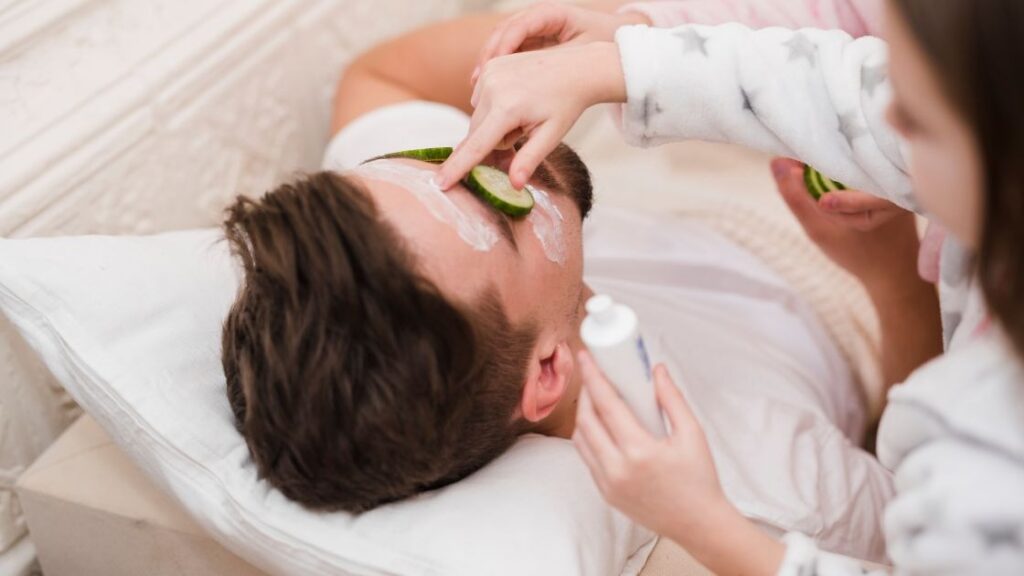
Wrap ice cubes in a soft cloth and apply for 10 to 15 minutes. Chilled cucumber slices also work wonderfully while adding hydrating benefits.
DIY Soothing Masks
Homemade masks using natural ingredients calm inflamed skin without harsh chemicals. Oatmeal mixed with honey creates a gentle, anti-inflammatory treatment.
Mashed avocado provides nourishing fats that soothe irritation. Plain yogurt contains probiotics that support skin health and reduce redness.
Lifestyle Modifications for Long-Term Results
Sustainable changes in daily habits help decrease inflammation face problems permanently. These changes tackle the underlying issues instead of merely masking surface problems.
Stress Management Techniques
Chronic stress triggers cortisol release, which increases inflammation throughout your body. Managing stress protects your skin from recurring flare-ups.
- Practice daily meditation or deep breathing exercises
- Engage in regular physical activity
- Prioritize quality sleep of seven to eight hours
- Limit screen time before bedtime
Hydration and Sleep
Drinking adequate water flushes toxins and maintains skin elasticity. Aim for eight glasses daily to keep your complexion hydrated and healthy.
Quality sleep allows your body to repair damaged skin cells overnight. Establishing consistent sleep patterns supports your skin’s natural healing processes.
When to Seek Professional Help
While these strategies effectively decrease inflammation face concerns for most people, persistent symptoms require professional evaluation. Dermatologists can identify underlying conditions and prescribe targeted treatments.
Consult a specialist if inflammation lasts longer than two weeks despite home treatment. Severe swelling accompanied by pain or fever needs immediate medical attention.
Conclusion
Taking steps to decrease inflammation face concerns doesn’t require expensive treatments or complicated routines. By incorporating anti-inflammatory foods, adopting a gentle skincare routine, and making simple lifestyle changes, you can achieve lasting results.
Remember that consistency is key when addressing facial redness and puffy skin. Small daily habits like staying hydrated, managing stress, and using soothing ingredients make a significant difference over time.
Start implementing these strategies today to enjoy a calmer, healthier complexion. If symptoms persist, don’t hesitate to consult a dermatologist for personalized guidance. Your journey to radiant skin begins with these simple yet effective steps.