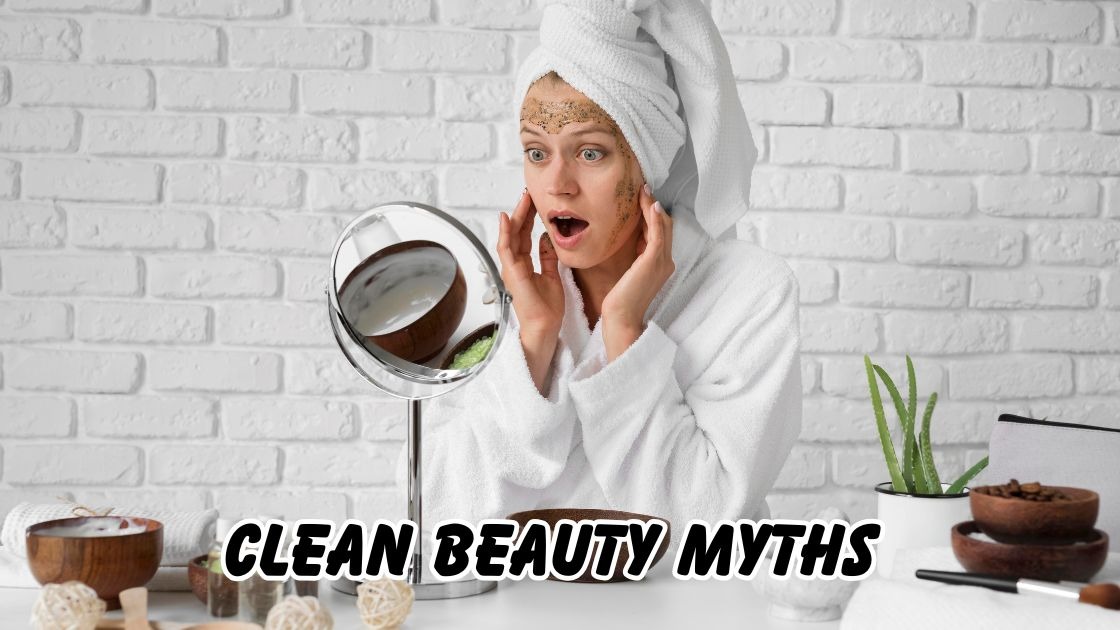
The beauty industry is flooded with misinformation, and clean beauty myths are everywhere you look. From social media influencers to product labels, confusing claims make it hard to know what’s actually good for your skin. Many consumers believe that natural skincare automatically means safer, or that chemical-free cosmetics are the only healthy choice. But is this really true?
In this article, we’ll separate fact from fiction and debunk the most common misconceptions surrounding the clean beauty movement. You’ll discover the truth about organic ingredients, toxic-free products, and green beauty trends that have taken over the market. Whether you’re a skincare enthusiast or just starting your journey toward healthier choices, understanding these myths will help you make smarter, more informed decisions for your skin health and overall wellness.
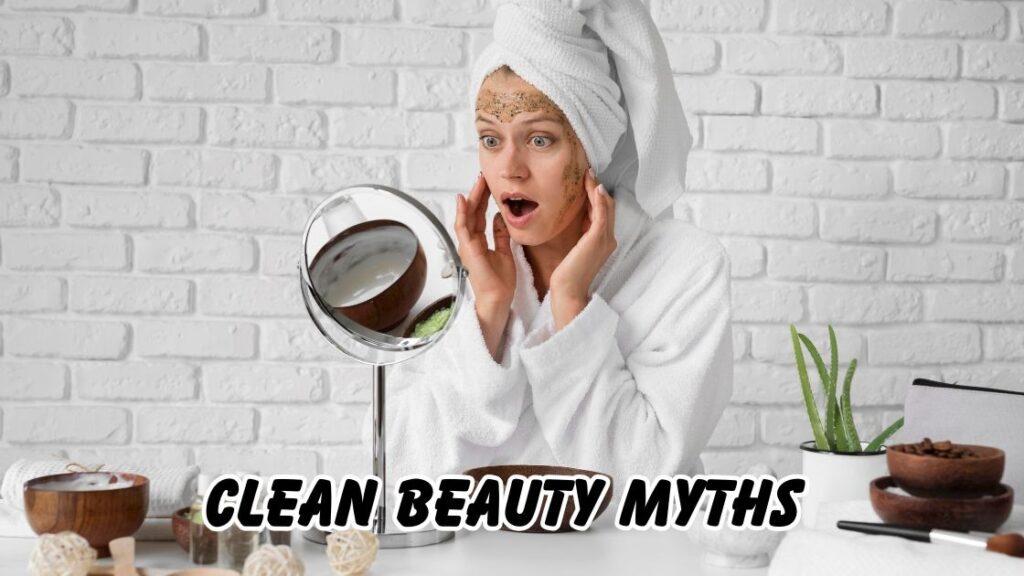
Understanding the Clean Beauty Movement
The clean beauty movement has gained massive popularity over the past decade. Today’s shoppers pay closer attention to skincare ingredients, driving increased interest in non-toxic skincare and sustainable beauty products. However, this trend has also given rise to widespread clean beauty myths that confuse shoppers and create unnecessary fear around perfectly safe ingredients.
What Does Clean Beauty Actually Mean
There is no universal definition of clean beauty regulated by the FDA or any governing body. Most brands use this term to describe products free from certain ingredients they consider harmful. This lack of standardization has allowed many clean beauty myths to flourish, as companies can make vague claims without scientific backing. Understanding this helps you become a smarter consumer who relies on facts rather than marketing buzzwords.
Common Clean Beauty Myths Exposed
Myth 1: Natural Ingredients Are Always Safer
One of the most persistent clean beauty myths is that natural ingredients are inherently safer than synthetic ones. This simply isn’t true. Poison ivy, arsenic, and lead are all natural but extremely harmful. Meanwhile, many lab-created ingredients undergo rigorous testing and prove safer for skin. The origin of an ingredient doesn’t determine its safety profile.
The Truth About Synthetic Ingredients
Synthetic compounds often provide better stability, consistency, and effectiveness in skincare formulations. Ingredients like hyaluronic acid and niacinamide are synthesized in labs yet deliver remarkable benefits without irritation. Don’t let fear-based marketing convince you that all synthetics are dangerous.
Myth 2: Chemical Free Products Exist
Every substance on earth, including water, is a chemical. The term chemical-free cosmetics is scientifically impossible and misleading. This phrase represents one of the biggest clean beauty myths perpetuated by brands trying to capitalize on consumer fears. What matters is whether ingredients are tested, safe, and effective at their used concentrations.
Myth 3: Preservatives Are Harmful
Preservatives play a crucial role in preventing bacterial growth and extending product shelf life. Without them, your skincare products would become breeding grounds for harmful microorganisms. Safe preservatives like phenoxyethanol protect you from infections and ensure product integrity.
Here are five reasons preservatives matter in beauty products:
- They prevent mold and bacteria contamination
- They extend the usable life of your products
- They maintain formula stability over time
- They protect against skin infections from contaminated products
- They ensure consistent product performance
Myth 4: Clean Beauty Products Work Better
Another widespread misconception among clean beauty myths is that these products deliver superior results. Effectiveness depends on active ingredients, formulation expertise, and proper concentration levels. A well-formulated conventional product often outperforms a poorly made green beauty alternative. Always prioritize proven ingredients over trendy labels.
How to Navigate Clean Beauty Claims
Tips for Making Informed Choices
Understanding clean beauty myths empowers you to shop smarter. Focus on evidence-based skincare rather than fear-driven marketing tactics. Products backed by dermatologists and supported by clinical research deliver more trustworthy results than vague clean beauty promises.
Consider these five tips when shopping for skincare:
- Research ingredients individually using credible scientific sources
- Look for products with clinical testing and proven results
- Ignore vague marketing terms like toxin-free or chemical-free
- Consult dermatologists for personalized recommendations
- Check for third-party certifications from reputable organizations
Reading Labels Effectively
Learning to read ingredient lists helps you see past marketing hype. Ingredients appear in descending order of concentration, so the first few matter most. Understanding INCI names and basic cosmetic chemistry protects you from falling for clean beauty myths that prey on consumer confusion.
The Bottom Line on Clean Beauty
The beauty industry thrives on trends, and clean beauty myths have become powerful marketing tools. While choosing environmentally friendly and cruelty-free products is admirable, basing decisions on pseudoscience causes more harm than good. True skin wellness comes from understanding ingredients, trusting scientific research, and ignoring fear-mongering tactics. Your skin deserves products that actually work, regardless of whether they carry a clean label.
Conclusion
Navigating the beauty industry requires knowledge and critical thinking. By understanding clean beauty myths, you can make smarter purchasing decisions based on science rather than fear. Remember that natural ingredients aren’t automatically safer, preservatives serve important purposes, and no product is truly chemical-free. Focus on evidence-based skincare with proven active ingredients instead of falling for misleading marketing claims.
True skin health comes from choosing well-formulated products backed by research. Don’t let clean beauty myths dictate your routine. Stay informed, consult dermatologists when needed, and prioritize what genuinely works for your unique skin. Your beauty choices should be empowered by facts, not trends.