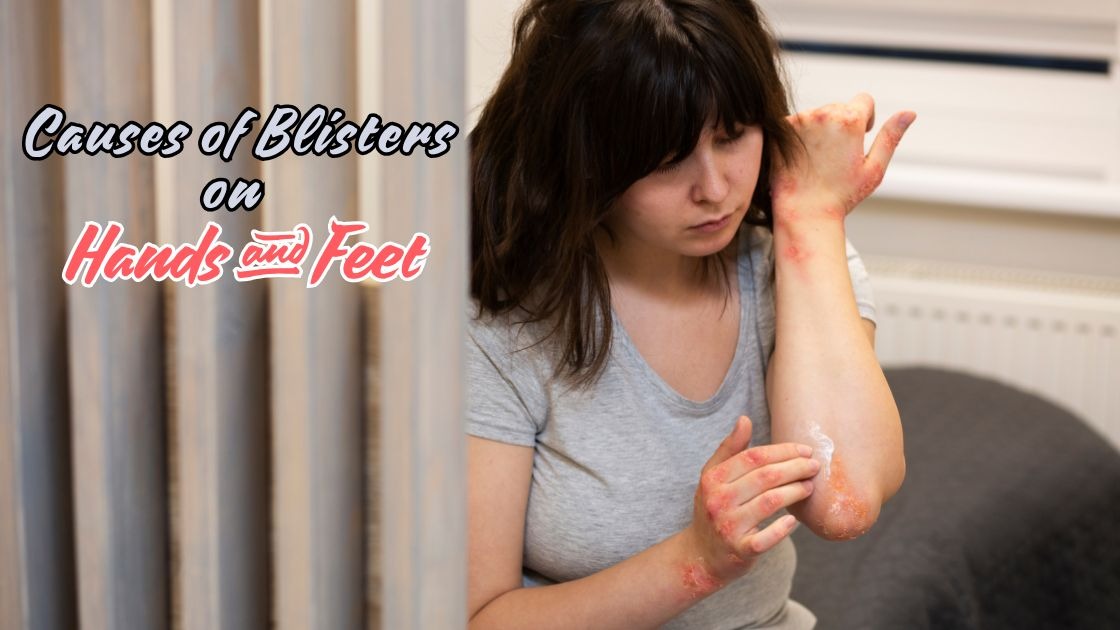
Dealing with breakouts near jawline can feel frustrating, especially when they keep coming back no matter what you try. Unlike typical acne on the forehead or nose, these stubborn blemishes often signal something deeper going on inside your body. Whether you’re a teenager or an adult, understanding the root cause is the first step toward clearer skin.
In this comprehensive guide, we’ll explore the main reasons behind jawline acne, including hormonal imbalance, cystic pimples, and lifestyle factors that trigger flare-ups. You’ll also discover effective skincare routines, dietary changes, and professional treatments that actually work. If you’ve been struggling with persistent chin acne or adult acne, this article will provide practical solutions to help you finally achieve the clear, healthy skin you deserve.
What Causes Breakouts Near Jawline
Understanding why breakouts near jawline occur is essential for finding the right treatment. This area of the face is particularly sensitive to internal changes, making it a common spot for persistent acne in both men and women.
Hormonal Imbalance
Hormonal fluctuations are the primary culprit behind jawline acne. When your body produces excess androgens, your oil glands go into overdrive, leading to clogged pores and inflammation. Women often notice these blemishes worsening during their menstrual cycle, pregnancy, or menopause.
Conditions like polycystic ovary syndrome (PCOS) can also trigger chronic breakouts near jawline due to elevated testosterone levels. If you notice recurring patterns in your acne, tracking your cycle might reveal helpful insights.
Lifestyle and Environmental Factors
The choices you make every day directly impact how your skin looks and feels. Poor dietary choices, stress, and inadequate sleep can all contribute to inflammation and increased oil production. Additionally, touching your face frequently or resting your chin on your hands transfers bacteria directly to this sensitive area.
Environmental pollutants and heavy makeup products can also clog pores along the jawline. Choosing non comedogenic skincare products helps minimize this risk significantly.
How Jawline Acne Differs From Other Types
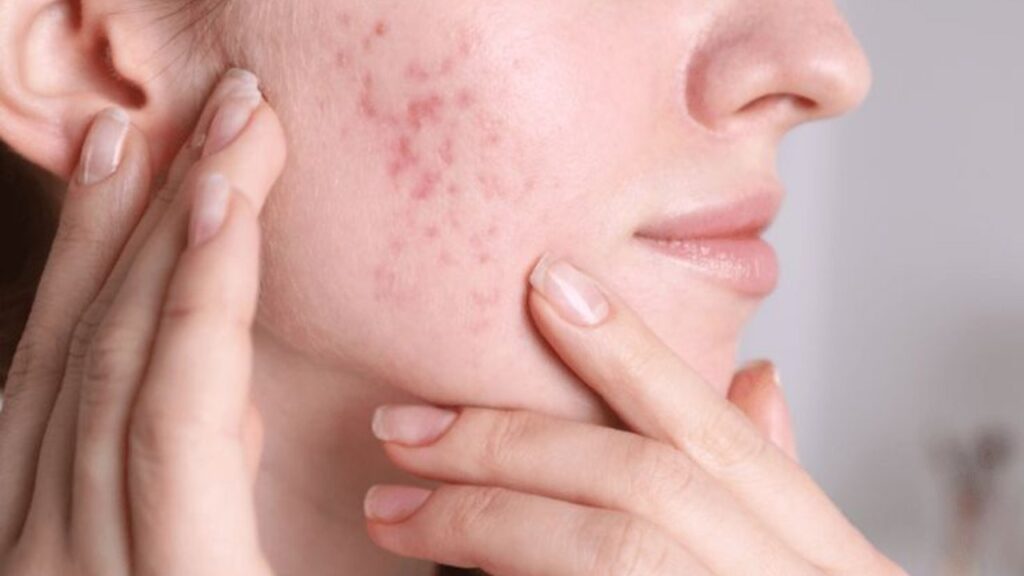
Breakouts near jawline typically appear as deep, painful cystic pimples rather than surface level whiteheads or blackheads. These blemishes form beneath the skin’s surface and take longer to heal, often leaving behind acne scars if not treated properly.
Why This Area Is More Prone to Breakouts
The lower face contains larger sebaceous glands that produce more oil compared to other facial regions. Combined with thicker skin in this area, dead cells and sebum become trapped more easily, creating the perfect environment for bacteria to thrive.
Effective Treatment Options for Jawline Acne
Treating breakouts near jawline requires a multi faceted approach that addresses both external symptoms and internal causes.
Topical Treatments
Benzoyl peroxide and salicylic acid are excellent first line treatments for reducing inflammation and unclogging pores. Retinoids also help by increasing cell turnover and preventing future breakouts.
- Start with a gentle cleanser containing salicylic acid
- Gently dab a small amount of benzoyl peroxide onto the problem areas.
- Use oil free moisturizer to maintain skin barrier
- Apply sunscreen daily to prevent hyperpigmentation
- Consider spot treatments with tea tree oil for natural antibacterial benefits
Internal Solutions
Sometimes topical treatments alone aren’t enough. Hormonal therapy, including birth control pills or spironolactone, can help regulate androgen levels in women. Consulting with a dermatologist or endocrinologist ensures you receive appropriate medical guidance.
Dietary Adjustments
What you eat directly impacts your skin. Reducing high glycemic foods, dairy, and processed sugars can significantly decrease inflammation throughout your body.
- Incorporate omega 3 fatty acids from fish and flaxseed
- Eat plenty of leafy greens and colorful vegetables
- Drink a minimum of eight glasses of water each day to keep your skin hydrated.
- Add probiotics to support gut health
- Limit alcohol and caffeine consumption
Prevention Tips for Long Term Results
Preventing breakouts near jawline is often easier than treating them. Establishing a consistent skincare routine tailored to your skin type creates a strong foundation for clear skin.
Daily Habits That Make a Difference
Regularly washing pillowcases, disinfecting your phone screen, and avoiding touching your face reduces bacterial transfer. Managing stress levels through exercise, meditation, or adequate sleep also helps balance hormones naturally.
When to Seek Professional Help
If over the counter treatments fail to improve your breakouts near jawline after eight to twelve weeks, consulting a board certified dermatologist is recommended. They can prescribe stronger medications, perform extractions, or suggest procedures like chemical peels and laser therapy for stubborn cases.
Persistent jawline acne might also indicate underlying health conditions requiring medical attention. Don’t hesitate to advocate for comprehensive testing if your symptoms seem hormone related.
Conclusion
Breakouts near jawline don’t have to control your life. By understanding the connection between hormonal imbalance, lifestyle factors, and skin health, you can take meaningful steps toward achieving a clearer complexion. Whether you choose topical treatments, adjust your diet, or seek professional help for cystic acne, consistency is key to seeing lasting results.
Remember that everyone’s skin is unique, so finding what works for you may require patience and experimentation. Prioritize a gentle skincare routine, manage stress effectively, and don’t hesitate to consult a dermatologist when needed. With the right approach, smoother, healthier skin along your jawline is absolutely achievable.