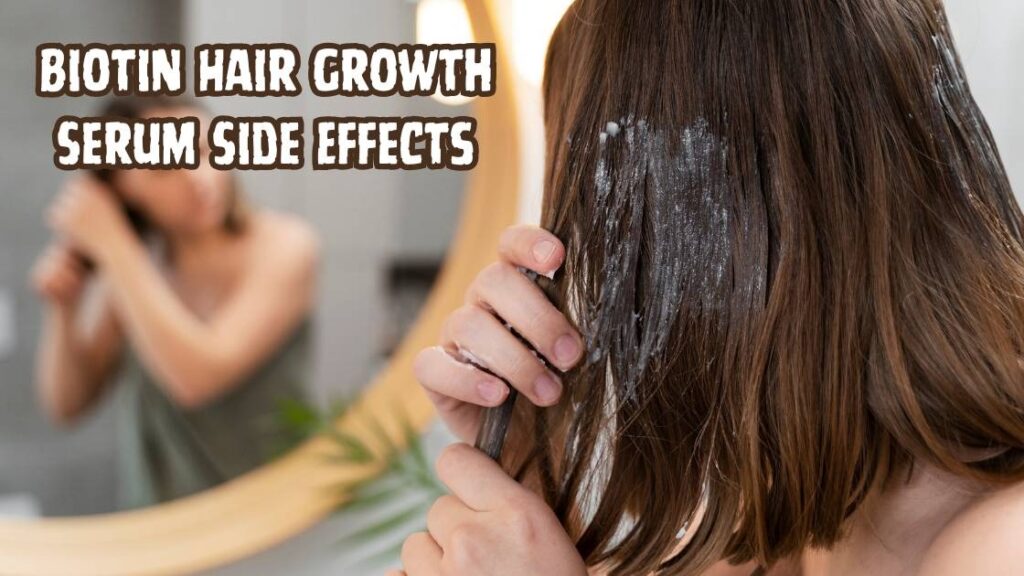
Everyone wants thick, luscious locks, and biotin hair growth serum side effects are something you should understand before adding this popular product to your routine. These serums have flooded the beauty market, promising fuller, stronger strands. But here’s the thing while biotin offers genuine benefits for hair health, not everyone experiences smooth sailing.
Before you slather on that bottle, it’s worth knowing what could go wrong. Some users report skin irritation, unexpected breakouts, and even allergic reactions. Others notice changes they didn’t anticipate.
This article breaks down everything you need to know about potential drawbacks, from mild scalp sensitivity to more concerning issues. We’ll explore who might be at risk, how to spot warning signs, and whether these products are truly worth the hype for your hair care journey.
Understanding Biotin and How It Works for Hair
Biotin, also known as vitamin B7, plays a crucial role in converting nutrients into energy your body can use. When it comes to hair, this vitamin supports keratin production, the protein that makes up your strands. Hair growth serums containing biotin claim to strengthen follicles and promote thicker, healthier growth.
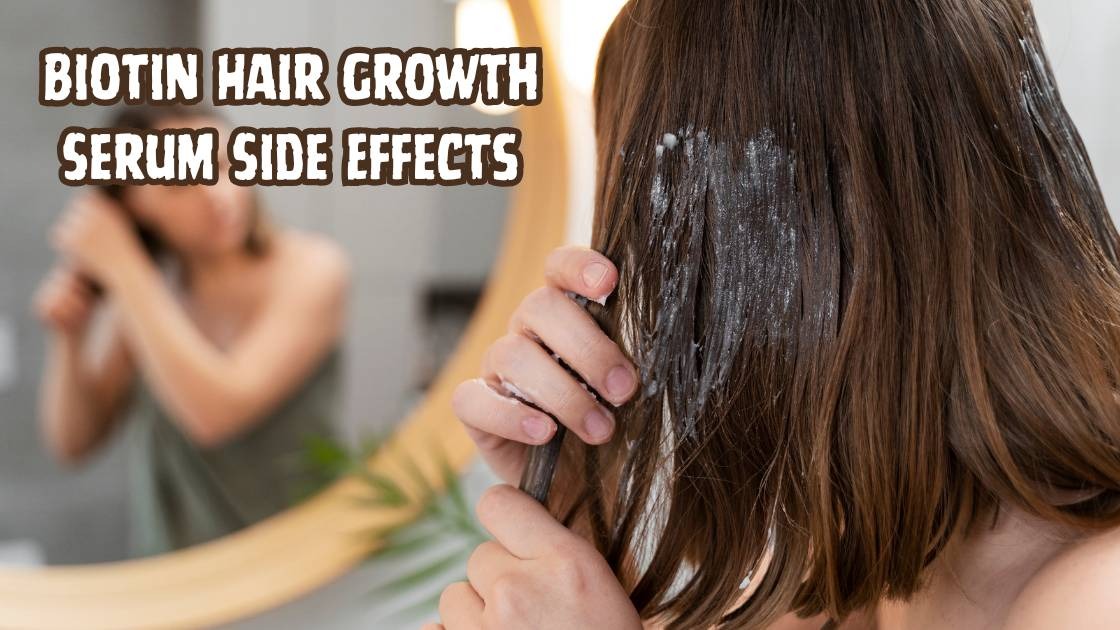
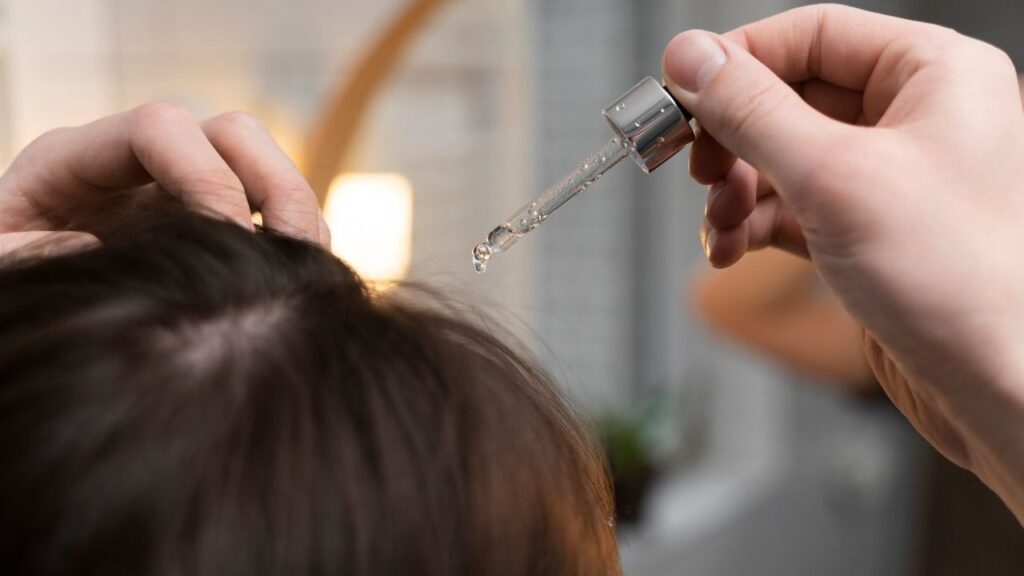
These topical products deliver biotin directly to your scalp, targeting problem areas where thinning occurs. Many formulas combine biotin with other ingredients like castor oil, caffeine, and niacin to enhance results. The idea sounds promising, but understanding biotin hair growth serum side effects helps you make smarter choices for your hair care routine.
Common Side Effects You Might Experience
Skin Irritation and Redness
One of the most frequently reported biotin hair growth serum side effects involves skin reactions. Your scalp might become red, itchy, or inflamed after application. This happens because the formula may contain ingredients your skin finds irritating.
People with sensitive skin face higher risks of experiencing these reactions. The irritation typically appears within hours of applying the serum and may persist if you continue using the product. Patch testing before full application can help you avoid uncomfortable surprises.
Acne Breakouts
Here’s something many people don’t expect. Biotin can trigger acne flare ups, especially when absorbed through the skin or taken in high concentrations. The vitamin interferes with how your body absorbs other B vitamins, potentially leading to breakouts along your hairline, forehead, and jawline.
If you’re prone to hormonal acne or have struggled with blemishes before, this side effect might catch you off guard. Some users notice pimples appearing within days of starting their serum regimen.
Allergic Reactions
While rare, some individuals experience true allergic responses to biotin serums. Symptoms can range from mild to severe:
- Swelling around the application area
- Hives or raised bumps on the scalp
- Difficulty breathing in extreme cases
- Intense burning sensations
- Widespread rash extending beyond the scalp
If you notice any of these symptoms, discontinue use immediately and consult a dermatologist or healthcare provider.
Less Common But Notable Concerns
Interference with Lab Tests
Biotin hair growth serum side effects extend beyond visible reactions. Topical biotin absorption can interfere with certain medical laboratory tests. This includes thyroid panels, hormone tests, and cardiac markers. If you’re undergoing medical testing, inform your doctor about your serum usage.
Scalp Dryness and Flaking
Some formulas leave your scalp feeling parched. The alcohol content in many serums strips away natural oils, causing dryness, flaking, and even dandruff like symptoms. This creates an ironic situation where you’re trying to improve hair health while potentially damaging your scalp environment.
Product Buildup Issues
Regular serum application can lead to product accumulation on your scalp. This buildup clogs follicles, potentially causing the opposite effect of what you wanted. Hair may appear limp, greasy, or weighted down. Proper cleansing becomes essential when using these products consistently.
Who Should Be Cautious
Certain groups face elevated risks when using biotin serums. Understanding your personal situation helps you weigh benefits against potential biotin hair growth serum side effects.
Consider extra caution if you fall into these categories:
- Individuals with eczema, psoriasis, or existing scalp conditions
- Those currently taking medications that interact with B vitamins
- People with known vitamin sensitivities or supplement allergies
- Anyone with extremely oily or acne prone skin
- Pregnant or nursing women without medical guidance
Tips for Safer Usage
Start Slowly
Begin with applications every other day rather than daily. This gives your scalp time to adjust while you monitor for reactions. Only increase application frequency once you confirm your skin responds positively to the product.
Choose Quality Products
Not all serums are created equal. Look for formulas with natural ingredients and minimal harsh chemicals. Read labels carefully and research brands before purchasing. Products with excessive fragrances or alcohols often cause more problems.
Listen to Your Body
Your skin communicates clearly when something isn’t working. Pay attention to changes in your scalp health, skin texture, and overall comfort. No hair growth promise is worth compromising your wellbeing.
Biotin hair growth serum side effects vary from person to person. What works beautifully for your friend might cause issues for you. Approach these products with informed awareness, and you’ll be better equipped to achieve the results you’re hoping for safely.
Conclusion
Understanding biotin hair growth serum side effects empowers you to make informed decisions about your hair care routine. While these products offer promising benefits for hair strengthening and growth, they’re not without risks. From skin irritation and acne breakouts to potential allergic reactions, knowing what to watch for keeps you safe.
The key is approaching any new product with awareness and patience. Always perform a patch test, choose quality formulas, and listen to what your body tells you. If you experience persistent issues, consulting a dermatologist ensures you protect both your scalp health and overall wellbeing. Beautiful hair shouldn’t come at the cost of your comfort.