
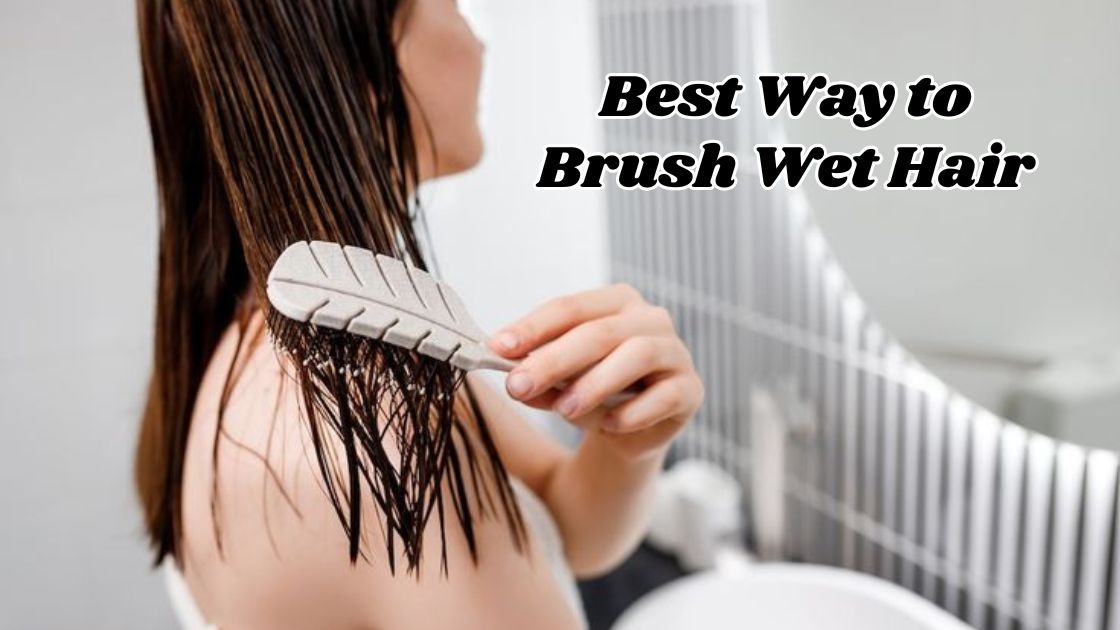
Finding the best way to brush wet hair can make a significant difference in maintaining healthy, beautiful locks. When your hair is soaking after a shower, it becomes fragile and more prone to breakage, which is why proper technique matters so much. Many people unknowingly damage their strands by using the wrong tools or rushing through the detangling process.
This comprehensive guide will walk you through expert-approved methods to safely brush your wet hair, the right hair brushes and wide-tooth combs to use, and essential tips for preventing hair breakage. Whether you have curly, straight, thick, or fine hair, you’ll discover how to keep your mane smooth, shiny, and tangle-free while protecting it from unnecessary hair damage.
Why Your Hair Is More Vulnerable When Wet
Understanding hair structure helps explain why the best way to brush wet hair requires extra care. When water penetrates your hair shaft, it causes the cuticle layer to swell and lift. This makes each strand weaker and more elastic than usual.
According to hair experts, wet hair can stretch up to 30% more than dry hair before breaking. This increased elasticity means rough handling can lead to split ends, breakage, and long term damage to your locks.
The Science Behind Wet Hair Fragility
Water weakens the hydrogen bonds within your hair structure. These bonds normally provide strength and resilience to your strands. When compromised, even gentle tugging can cause significant hair breakage.
The good news is that as your hair dries, these bonds begin reforming. This is why many stylists recommend waiting a few minutes after showering before reaching for your brush.
Choosing the Right Tools for Detangling
Selecting proper tools is essential when learning the best way to brush wet hair safely. Not all brushes work equally well on damp strands.
Wide Tooth Comb Benefits
A wide tooth comb remains the gold standard for wet hair care. The generous spacing between teeth allows the comb to glide through without catching or pulling. This design minimizes stress on fragile wet strands.
Wooden combs offer additional benefits because they create less static and distribute natural oils more evenly throughout your hair.
Wet Brushes and Detangling Brushes
Modern detangling brushes feature flexible bristles that bend around knots instead of ripping through them. These specialized tools have revolutionized how we handle wet hair.
Popular options include brushes with:
- IntelliFlex bristles that adapt to your hair’s thickness
- Cushioned bases that reduce scalp pressure
- Ergonomic handles for better grip in slippery conditions
Step by Step Guide to Brushing Wet Hair Safely
Mastering the best way to brush wet hair involves following a specific sequence. These steps protect your strands while achieving smooth, tangle free results.
Preparation Before Brushing
Begin by softly pressing out extra moisture from your strands with a microfiber towel. Unlike regular towels, microfiber reduces friction and prevents frizz. Gently blot your strands instead of rubbing them harshly.
Allow your hair to air dry for five to ten minutes before brushing. This waiting period lets some hydrogen bonds reform, making your hair stronger.
Apply a Detangling Product
Using a leave in conditioner or detangling spray creates slip between strands. This extra lubrication helps your brush glide smoothly and reduces the force needed to remove knots.
Focus application on the mid lengths and ends where tangles typically form. Avoid applying heavy products directly to your roots unless you have very dry hair.
The Bottom to Top Technique
This method represents the best way to brush wet hair according to professional stylists:
- Divide your hair into manageable sections using clips
- Start brushing at the very ends of your hair
- Work through small tangles with gentle strokes
- Gradually move upward toward your roots
- Continue until each section flows smoothly from root to tip
This approach prevents tangles from compounding and reduces overall breakage significantly.
Common Mistakes to Avoid
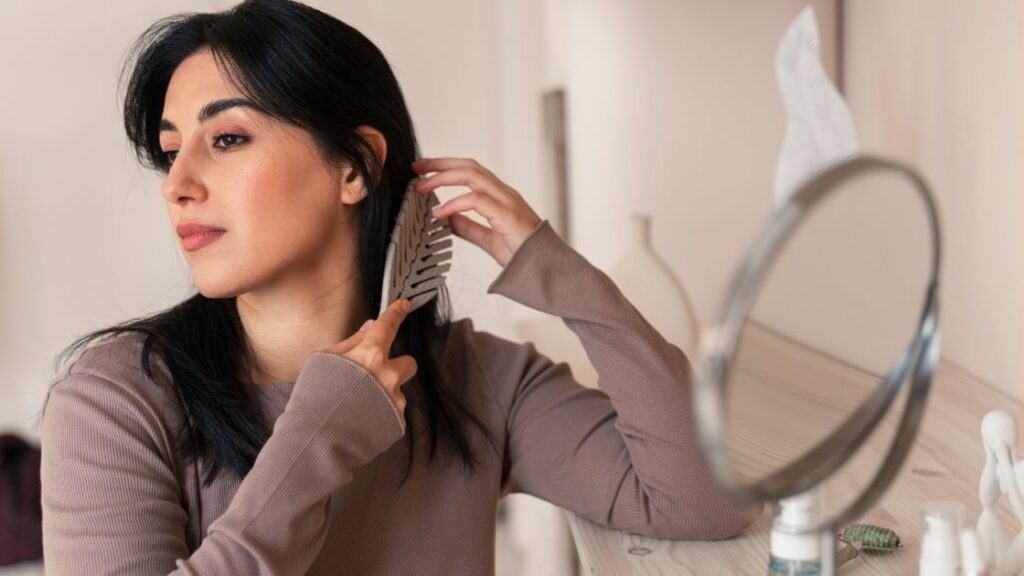
Even with good intentions, many people damage their hair through improper brushing techniques. Avoiding these errors protects your strands.
Rushing Through the Process
Impatience causes more hair damage than almost any other factor. When you yank through knots quickly, you tear the hair cuticle and cause breakage. Be patient and gently work through each knot without rushing.
Using the Wrong Brush Type
Regular paddle brushes and fine tooth combs are not designed for wet hair. Their rigid bristles and close spacing create too much tension on vulnerable strands.
Brushing Soaking Wet Hair
Your hair is weakest when completely saturated. Waiting until your hair is damp rather than dripping wet makes the detangling process much safer and more effective.
Ignoring Your Hair Type
Different textures require different approaches. Curly hair should only be brushed when wet and saturated with conditioner. Fine hair benefits from extra gentleness. Thick hair may need sectioning into smaller parts for thorough detangling.
By following these guidelines, you can maintain healthy, beautiful hair while minimizing damage during your daily routine.
Conclusion
Taking proper care of your hair during the detangling process does not have to be complicated. By using the right tools like a wide tooth comb or specialized detangling brush, applying a quality leave in conditioner, and following the bottom to top technique, you can keep your strands healthy and strong. Remember that patience is your greatest ally when working through knots on damp hair. These simple adjustments to your routine will help you achieve smoother, shinier locks while significantly reducing hair breakage and split ends over time.