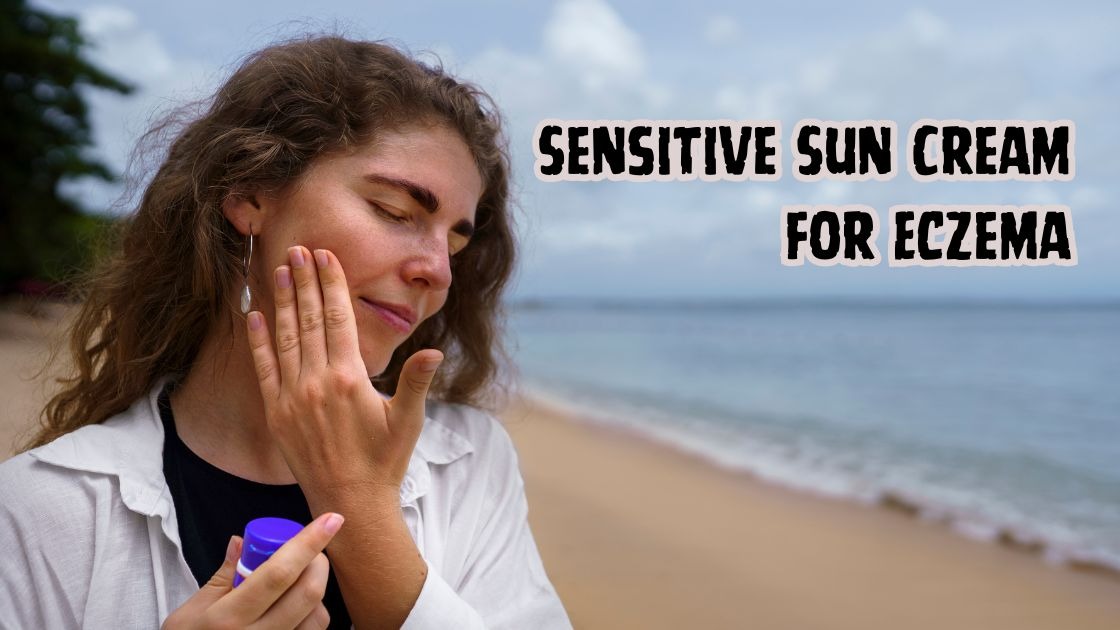
Finding the right sensitive sun cream for eczema can feel overwhelming when your skin reacts to almost everything. If you struggle with redness, itching, or flare-ups every time you apply sunscreen, you’re not alone. Millions of people with eczema-prone skin face this frustrating challenge during sunny days.
This comprehensive guide will help you discover the best SPF protection options designed specifically for reactive skin. We’ll explore mineral sunscreen formulas, fragrance-free ingredients, and dermatologist-recommended products that won’t trigger irritation. Whether you’re heading to the beach or simply running errands, protecting your skin barrier from harmful UV rays shouldn’t mean sacrificing comfort.
Keep reading to learn how to choose sun protection that soothes rather than aggravates your delicate skin.
Understanding Eczema and Sun Protection Needs
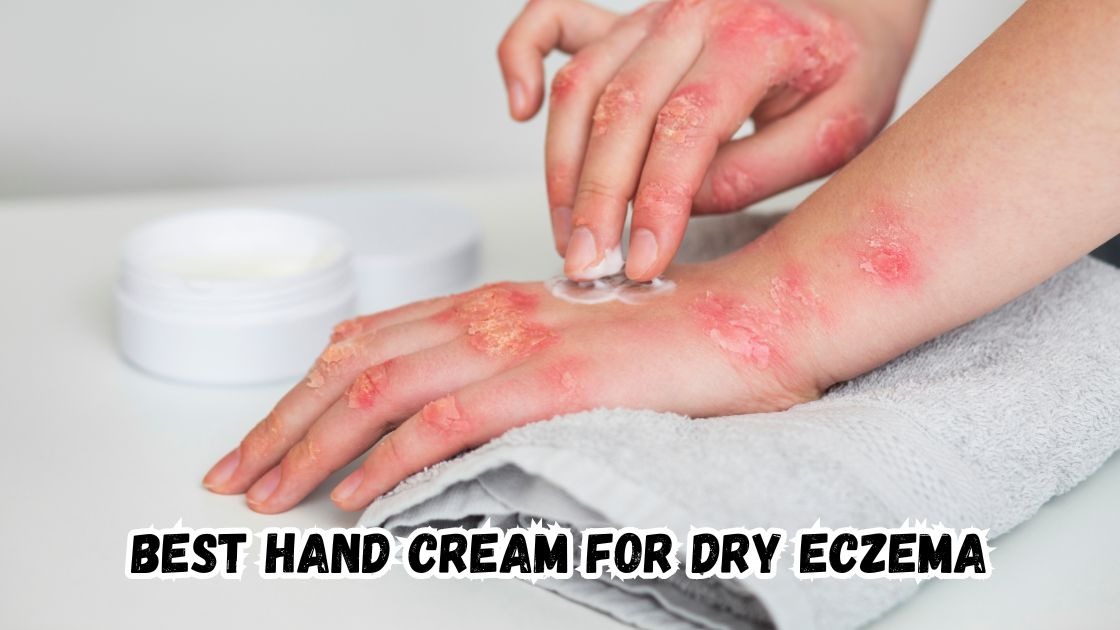
Eczema is a chronic skin condition characterized by dry skin, inflammation, and intense itching. People with this condition have a compromised skin barrier that allows irritants to penetrate more easily. This makes choosing skincare products particularly challenging.
When it comes to sun protection, standard sunscreens often contain ingredients that trigger flare-ups. That’s why sensitive sun cream for eczema requires careful formulation with gentle, non-irritating components.
Why Regular Sunscreen Causes Problems
Most conventional sunscreens contain chemical filters like oxybenzone and avobenzone. These components soak up UV rays and transform them into heat energy. For eczema-prone skin, this process can cause burning sensations and worsen existing inflammation.
Additionally, many products include artificial fragrances, alcohol, and preservatives. These additives strip moisture from already compromised skin and trigger allergic reactions.
Key Ingredients to Look For
Choosing the right sensitive sun cream for eczema starts with understanding beneficial ingredients. Here are the most important ones to seek out:
- Zinc oxide provides broad-spectrum protection without chemical reactions on the skin surface
- Titanium dioxide offers gentle UV blocking for extremely reactive skin types
- Ceramides help restore and strengthen the damaged skin barrier
- Hyaluronic acid delivers deep hydration without clogging pores
- Colloidal oatmeal soothes irritation and reduces redness naturally
Ingredients to Avoid Completely
Equally important is knowing what to avoid. Stay away from products containing:
- Parabens and phthalates
- Synthetic dyes and colorants
- Chemical UV filters
- Alcohol-based formulas
- Strong preservatives like formaldehyde releasers
Benefits of Mineral Sunscreens for Eczema
Mineral sunscreen options have become the gold standard for people with skin conditions. Unlike chemical alternatives, these formulas sit on top of the skin and physically deflect UV rays.
Gentle Yet Effective Protection
Sensitive sun cream for eczema containing minerals provides broad-spectrum SPF without penetrating the epidermis. This means less chance of irritation while still blocking harmful UVA and UVB rays effectively.
Many dermatologist-recommended mineral formulas also include moisturizing ingredients. This dual action protects and hydrates simultaneously, addressing two major concerns for eczema sufferers.
Reduced Risk of Allergic Reactions
Hypoallergenic sunscreen products undergo rigorous testing to minimize reaction potential. Fragrance-free mineral options are particularly suitable because they eliminate one of the most common irritant categories entirely.
How to Apply Sunscreen on Eczema-Affected Skin
How you apply sunscreen is equally important as choosing the right product. Follow these steps for best results:
- Apply your regular eczema moisturizer first and let it absorb for five minutes
- Use a generous amount of sensitive sun cream for eczema on all exposed areas
- Apply a fresh layer every two hours or right after getting wet or perspiring.
- Pat the product gently rather than rubbing vigorously
Best Practices for Daily Use
Consistency is crucial for maintaining healthy skin during sunny seasons. Include sun protection in your daily morning regimen, regardless of cloud cover. UV rays penetrate clouds and can still cause damage to unprotected sensitive skin.
Top Product Recommendations
Several brands have developed excellent sensitive sun cream for eczema options. Look for products specifically labeled for eczema or atopic dermatitis. Several products display the National Eczema Association approval stamp.
What to Consider When Shopping
When selecting your UV protection product, consider these factors:
- SPF level of 30 or higher for adequate protection
- Water resistance for outdoor activities
- Tube or pump packaging to prevent contamination
- Pediatric formulas if shopping for children with eczema

Challenges and Solutions
Finding the perfect sensitive sun cream for eczema often requires trial and error. What works for one person may not suit another due to individual skin chemistry variations.
Overcoming Common Obstacles
The white cast left by some mineral sunscreens bothers many users. Newer tinted formulas address this concern while maintaining gentle ingredients. Additionally, some people find mineral sunscreens feel heavy. Lightweight, non-comedogenic options now offer comfortable wear without sacrificing protection.
Consulting a board-certified dermatologist can help identify the best products for your specific condition severity and skin type.
Conclusion
Protecting your skin from sun damage shouldn’t mean suffering through painful flare-ups. The right sensitive sun cream for eczema makes outdoor activities enjoyable again while keeping your skin barrier healthy and intact.
Remember to choose mineral-based formulas with zinc oxide or titanium dioxide. Always avoid chemical filters, fragrances, and harsh preservatives that trigger irritation. Proper application over your daily moisturizer ensures maximum protection and comfort.
With so many dermatologist-recommended and hypoallergenic options available today, finding gentle UV protection is easier than ever. Your eczema-prone skin deserves sun care that soothes and shields without compromise.