Finding the right anti inflammatory for rosacea can be the key to finally calming persistent skin redness and irritation. Rosacea affects millions worldwide, causing uncomfortable flare-ups that impact confidence and daily life. If you’re struggling with facial inflammation, visible blood vessels, or sensitive skin reactions, understanding which treatments work best is essential.
This comprehensive guide explores proven options that target rosacea at its source. We’ll cover everything from topical treatments to natural remedies and lifestyle changes that reduce symptoms. Whether you’re newly diagnosed or seeking better management strategies, you’ll discover effective solutions to achieve clearer, calmer skin and lasting relief from this chronic condition.
Understanding Rosacea and Why Inflammation Matters
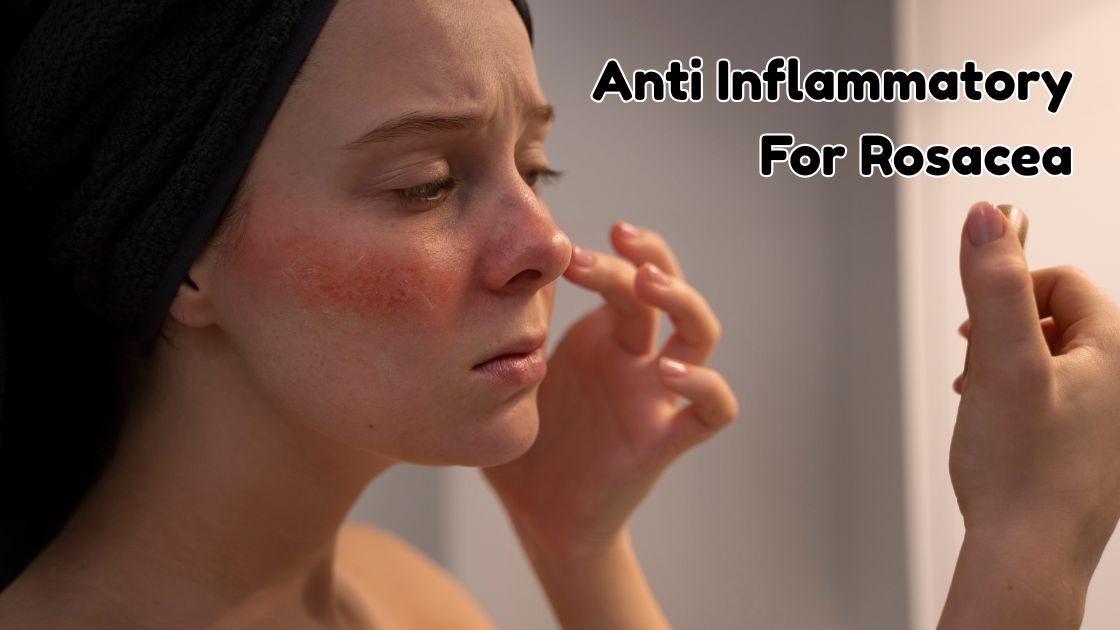
Rosacea is a chronic skin condition that primarily affects the face. It causes persistent redness, visible blood vessels, and sometimes small bumps resembling acne. The condition typically appears in adults over 30 and tends to worsen without proper treatment.
Facial inflammation plays a central role in rosacea development. When your immune system overreacts to triggers, it creates swelling and irritation beneath the skin surface. This inflammatory response leads to the characteristic flushing and discomfort many sufferers experience daily.
Using an anti inflammatory for rosacea addresses this root cause directly. Rather than simply masking symptoms, these treatments work to calm the underlying inflammation driving your flare-ups.
The Science Behind Rosacea Inflammation
Research shows that rosacea involves abnormal immune responses and blood vessel dysfunction. Certain peptides in the skin become overactive, triggering inflammatory cascades. Environmental factors, stress, and dietary choices can amplify these reactions significantly.
Understanding this process helps explain why inflammation relief strategies are so effective for managing symptoms long term.
Types of Anti Inflammatory Treatments for Rosacea
Prescription Medications
Dermatologists commonly prescribe several anti inflammatory for rosacea options that provide significant relief:
- Topical metronidazole reduces redness and bumps by targeting bacterial overgrowth and calming inflammation
- Azelaic acid works as both an antimicrobial and anti inflammatory agent for dual benefits
- Ivermectin cream addresses Demodex mites while simultaneously reducing inflammatory responses
- Low dose doxycycline offers systemic inflammation control without antibiotic effects
These prescription medications require medical supervision but deliver proven results for moderate to severe cases.
Over the Counter Options
Many people find relief with accessible topical treatments containing soothing ingredients. Products featuring niacinamide, green tea extract, and licorice root offer gentle redness reduction without harsh side effects.
Look for formulations specifically designed for sensitive skin that won’t trigger additional irritation during use.
Natural Anti Inflammatory Remedies Worth Trying
An anti inflammatory for rosacea doesn’t always come from a pharmacy. Several natural remedies show promising results for calming symptoms.
Plant Based Solutions
- Aloe vera gel provides cooling relief and supports skin barrier repair
- Chamomile extracts contain powerful compounds that reduce visible redness
- Colloidal oatmeal soothes irritation and strengthens protective skin layers
- Green tea applications deliver antioxidants directly to affected areas
Dietary Approaches
What you eat significantly impacts rosacea symptoms. An anti inflammatory diet rich in omega 3 fatty acids, colorful vegetables, and lean proteins supports skin health from within.
Avoiding common triggers like spicy foods, alcohol, and processed items prevents unnecessary flare-ups and complements your external treatment approach.
Building an Effective Skincare Routine
Your daily skincare routine should prioritize gentle cleansing and barrier protection. Harsh products strip away natural oils and worsen inflammation considerably.
Essential Steps for Rosacea Prone Skin
Choose a mild, fragrance free cleanser that maintains pH balance. Follow with an anti inflammatory for rosacea treatment recommended by your dermatologist. Always finish with broad spectrum sunscreen since UV exposure triggers significant reactions.
Consistency matters more than complexity. A simple routine performed daily outperforms elaborate regimens followed sporadically.

Challenges in Managing Rosacea Inflammation
Despite available treatments, managing this chronic skin condition presents ongoing difficulties. Individual responses vary dramatically, meaning finding your ideal anti inflammatory for rosacea often requires patience and experimentation.
Triggers differ between people, making universal recommendations impossible. Some react strongly to temperature changes while others experience problems primarily from emotional stress.
Cost considerations also factor into treatment decisions. Premium products and repeated dermatologist visits create financial burdens for many sufferers seeking inflammation relief.
Maximizing Your Treatment Success
Combining multiple approaches typically yields the best outcomes. Pairing topical treatments with lifestyle modifications creates a comprehensive strategy addressing rosacea from multiple angles.
Track your triggers carefully using a symptom diary. This information helps identify patterns and guides treatment adjustments over time.
Work closely with a qualified dermatologist who understands your specific rosacea subtype. Professional guidance ensures you’re using the most appropriate anti inflammatory for rosacea for your unique situation and achieving optimal redness reduction results.
Conclusion
Managing rosacea effectively requires understanding the role inflammation plays in triggering symptoms. The right anti inflammatory for rosacea can transform your skin health and restore confidence. From prescription medications to natural remedies and thoughtful lifestyle changes, multiple options exist for achieving lasting relief.
Remember that consistency and patience are essential when treating this chronic skin condition. Working with a qualified dermatologist ensures personalized care tailored to your needs. By combining topical treatments with trigger avoidance and a gentle skincare routine, you can successfully reduce facial redness and enjoy calmer, healthier skin every day. Start your journey toward clearer skin today.