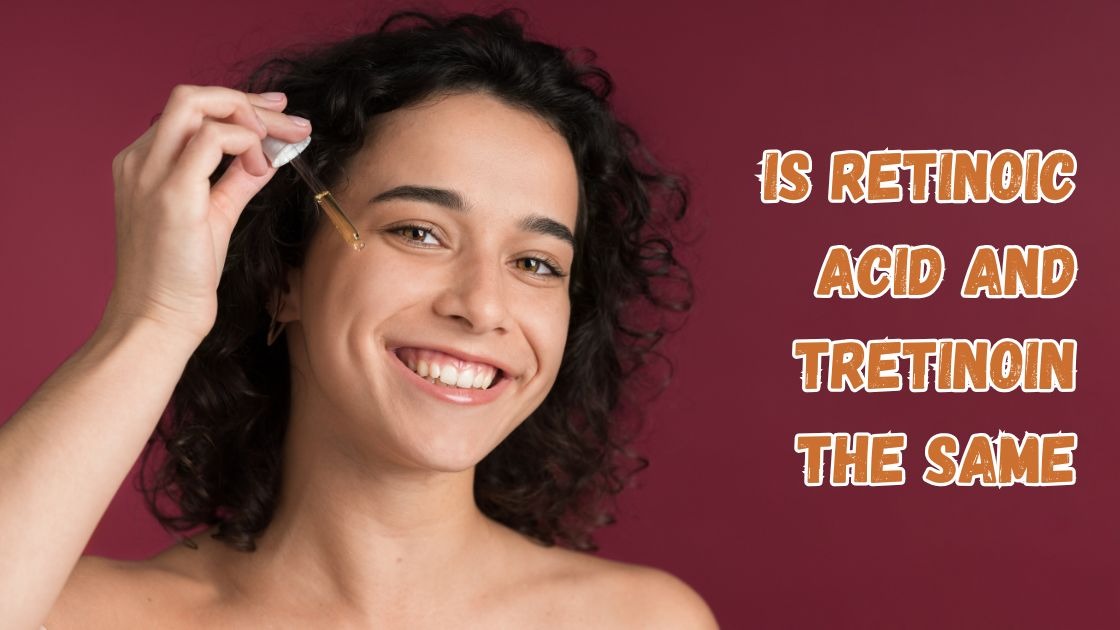
If you’ve ever wondered is retinoic acid and tretinoin the same, you’re definitely not alone. This common question confuses many skincare enthusiasts and even some professionals. Both terms frequently appear on product labels and dermatology discussions, creating widespread uncertainty.
Here’s the simple answer: tretinoin is actually a form of retinoic acid. They belong to the powerful family of vitamin A derivatives known as retinoids. These compounds have revolutionized anti-aging skincare and acne treatment over decades.
In this comprehensive guide, we’ll explore their chemical relationship, how they work on your skin cells, their effectiveness for wrinkle reduction, and why understanding this distinction matters for your skincare routine. By the end, you’ll have complete clarity on these transformative ingredients.
Understanding Retinoic Acid and Tretinoin
When exploring is retinoic acid and tretinoin the same, you must first understand their fundamental chemistry. Retinoic acid represents the active form of vitamin A that your skin cells can immediately use. Tretinoin is simply the pharmaceutical name for all-trans retinoic acid, making them essentially identical compounds.
Your body naturally produces small amounts of retinoic acid from dietary vitamin A. However, topical tretinoin provides a concentrated dose directly to your skin. This direct application bypasses the conversion process that other retinoids require, delivering faster and more potent results.
The Science Behind These Compounds
Tretinoin works by binding to specific retinoic acid receptors within your skin cells. These receptors regulate gene expression, controlling how cells behave, divide, and regenerate. When activated, they accelerate cellular turnover and boost collagen production significantly.
This mechanism explains why dermatologists consider tretinoin the gold standard for treating multiple skin concerns. The compound penetrates the epidermis and reaches deeper skin layers where transformation truly happens.
Historical Background
The journey of tretinoin began in the 1960s when researchers first synthesized it for acne treatment. Dr. Albert Kligman discovered its remarkable anti-aging properties accidentally while studying acne patients. Their skin showed improved texture, reduced wrinkles, and enhanced radiance beyond acne clearing.
Since then, countless clinical studies have validated tretinoin’s effectiveness. The FDA approved it for both acne vulgaris and photoaging treatment, cementing its position in dermatological care.
Key Benefits of Tretinoin Treatment
Understanding is retinoic acid and tretinoin the same helps you appreciate why this ingredient delivers exceptional results. These remarkable advantages make tretinoin truly exceptional:
- Dramatically reduces fine lines and deep wrinkles through increased collagen synthesis
- Clears acne by unclogging pores and preventing new breakouts from forming
- Fades hyperpigmentation and dark spots for more even skin tone
- Improves overall skin texture by accelerating dead cell shedding
- Enhances skin firmness and elasticity over consistent long term use
These benefits develop gradually, typically showing noticeable improvement within eight to twelve weeks of consistent application.
How Tretinoin Works on Your Skin
Cellular Level Transformation
At the cellular level, tretinoin communicates with your skin cell DNA. It instructs cells to behave younger, dividing more rapidly and producing healthier structures. This process naturally slows with age, but tretinoin essentially reverses this decline.
The compound also inhibits collagenase enzymes that break down existing collagen. By protecting and stimulating collagen simultaneously, tretinoin addresses aging from multiple angles.
The Conversion Process Explained
Other retinol products must convert into retinoic acid before becoming active. Retinol converts to retinaldehyde, which then converts to retinoic acid. Each step loses potency, making over the counter products significantly weaker.
Since is retinoic acid and tretinoin the same substance, prescription tretinoin skips these conversions entirely. Your skin receives the active ingredient immediately, explaining its superior efficacy compared to cosmetic alternatives.
Tretinoin vs Other Retinoids Comparison
Prescription Strength Options
Tretinoin comes in various concentrations ranging from 0.025% to 0.1%. Beginners typically start with lower strengths to minimize skin irritation and gradually increase potency. Other prescription options include adapalene and tazarotene, each with unique characteristics.
Over the Counter Alternatives
Retinol remains the most popular non-prescription option. While gentler and more accessible, it delivers results much slower than tretinoin. Retinyl palmitate and retinyl acetate offer even milder alternatives for sensitive skin types.

Important Usage Tips
Maximizing tretinoin benefits requires proper application techniques:
- Always apply to completely dry skin twenty minutes after washing
- Apply just a pea sized quantity across your complete facial area
- Apply broad spectrum sunscreen daily without exception
- Incorporate hydrating serums to combat potential dryness
- Avoid combining with benzoyl peroxide or glycolic acid initially
Managing Initial Side Effects
Most users experience temporary retinization during the first weeks. This includes dryness, peeling, and mild redness as skin adjusts. These effects typically subside within four to six weeks of consistent use.
Now that you understand is retinoic acid and tretinoin the same, you can make informed decisions about incorporating this powerful ingredient into your skincare routine.
Conclusion
So, is retinoic acid and tretinoin the same? Absolutely yes. Tretinoin is simply the pharmaceutical name for all-trans retinoic acid, the most potent form of vitamin A available for skincare.
This powerful retinoid delivers unmatched results for anti-aging, acne treatment, and overall skin rejuvenation. Unlike weaker retinol products, tretinoin works immediately without requiring conversion.
Understanding this relationship empowers you to make smarter skincare choices. Whether you seek wrinkle reduction or clearer skin, tretinoin remains the dermatologist recommended gold standard. Consult your skincare professional to determine if this transformative ingredient suits your unique needs and goals.