Finding the right treatment for itchy and flaky scalp can feel overwhelming with so many options available today. This frustrating condition affects millions of people worldwide, causing discomfort and embarrassment in daily life.
Whether you’re dealing with dandruff, dry scalp, seborrheic dermatitis, or simple scalp irritation, relief is absolutely possible. In this comprehensive guide, we’ll explore proven home remedies, effective medicated shampoos, and professional solutions that actually work. You’ll discover what causes these uncomfortable symptoms and learn step-by-step approaches to restore your scalp health. From natural ingredients in your kitchen to dermatologist-recommended products, we’ve got everything covered to help you achieve a healthy, flake-free scalp once again.
Understanding Itchy and Flaky Scalp Conditions
An itchy and flaky scalp occurs when the skin on your head becomes dry, irritated, or inflamed. This condition leads to visible white or yellowish flakes that shed onto your clothing and hair. The constant urge to scratch can worsen the problem and even cause hair loss in severe cases.
Several factors contribute to this uncomfortable condition. Fungal infections, product buildup, weather changes, stress, and underlying skin conditions all play significant roles. Understanding the root cause helps determine the most effective treatment for itchy and flaky scalp that will work for your specific situation.
Common Causes Behind Scalp Problems
Dandruff and Seborrheic Dermatitis
Dandruff remains the most common culprit behind flaky scalp issues. It results from an overgrowth of a yeast called Malassezia that naturally lives on your skin. When this yeast multiplies excessively, it causes inflammation and rapid skin cell turnover, leading to visible flaking.
Seborrheic dermatitis is a more severe form that produces oily, yellowish scales along with redness. This chronic condition requires consistent management and often needs stronger interventions than regular dandruff.
Dry Scalp and Psoriasis
A dry scalp lacks sufficient moisture and natural oils, causing tightness and fine, white flakes. Unlike dandruff, dry scalp flakes are smaller and your skin feels parched rather than oily.
Scalp psoriasis creates thick, silvery patches that can extend beyond the hairline. This autoimmune condition requires specialized care and often medical supervision for proper management.
Effective Home Remedies for Relief
Natural solutions offer gentle yet powerful treatment for itchy and flaky scalp without harsh chemicals. Many kitchen ingredients possess antifungal and moisturizing properties that soothe irritation effectively.
Tea Tree Oil Application
Tea tree oil contains natural antifungal and antibacterial compounds that combat dandruff causing organisms. Mix a few drops with your regular shampoo or a carrier oil like coconut oil before massaging into your scalp. Leave it for ten minutes before rinsing thoroughly.
Apple Cider Vinegar Rinse
Apple cider vinegar balances your scalp’s pH level and removes product buildup efficiently. Dilute equal parts vinegar and water, apply after shampooing, wait five minutes, then rinse. This simple remedy reduces itchiness and adds shine to your hair.
Medical Treatments That Work
Over the Counter Solutions
When home remedies fall short, medicated shampoos provide stronger relief. Look for products containing these active ingredients:
- Zinc pyrithione reduces fungal growth and soothes inflammation
- Ketoconazole fights the yeast responsible for dandruff
- Salicylic acid removes dead skin cells and scales
- Coal tar slows skin cell production and reduces itching
- Selenium sulfide controls flaking and relieves irritation
Apply these shampoos two to three times per week to achieve optimal results. Allow the product to sit on your scalp for at least five minutes before rinsing to maximize effectiveness.
Prescription Options
For persistent cases, dermatologists may prescribe stronger treatment for itchy and flaky scalp options. Topical corticosteroids reduce inflammation quickly while antifungal medications address underlying infections. Some patients benefit from light therapy or oral medications for severe conditions like psoriasis.

Practical Tips for Scalp Health Maintenance
Preventing recurrence requires consistent care and lifestyle adjustments. Follow these essential practices:
- Wash your hair regularly but avoid over shampooing which strips natural oils
- Choose sulfate free shampoos that cleanse gently without irritation
- Manage stress through exercise and relaxation techniques
- Drink plenty of water and consume nutritious foods packed with omega fatty acids.
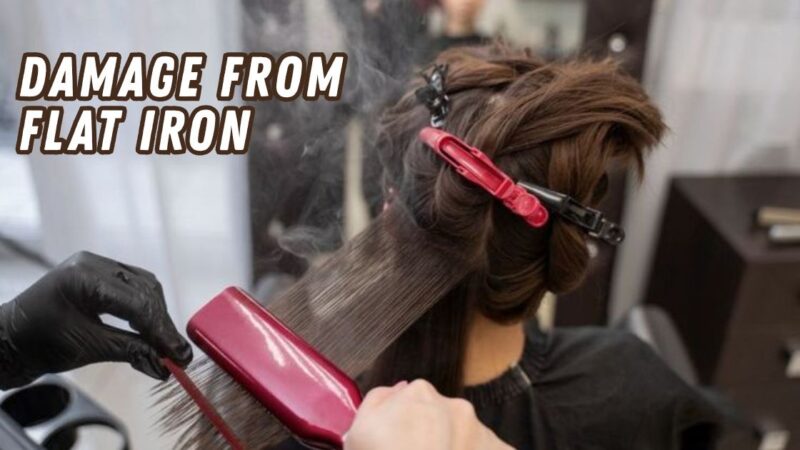
- Avoid excessive heat styling and harsh chemical treatments
When to Consult a Dermatologist
Seek professional help if your symptoms persist beyond two weeks of treatment for itchy and flaky scalp efforts. Signs like bleeding, severe redness, hair thinning, or spreading patches indicate conditions requiring medical evaluation. A dermatologist can accurately diagnose your specific issue and recommend targeted solutions.
Choosing the Right Treatment Approach
Selecting the appropriate treatment for itchy and flaky scalp depends on identifying your condition correctly. Start with gentle home remedies and moisturizing treatments for mild cases. Progress to medicated products if natural solutions prove insufficient. Remember that consistency matters more than intensity when managing scalp conditions. With patience and the right approach, achieving a healthy, comfortable scalp is entirely possible for everyone.
Conclusion
Dealing with an itchy and flaky scalp doesn’t have to be a lifelong struggle. By understanding the underlying causes and exploring various treatment for itchy and flaky scalp options, you can find lasting relief. Whether you choose natural remedies like tea tree oil and apple cider vinegar or opt for medicated shampoos containing zinc pyrithione or ketoconazole, consistency remains essential for success.
Remember to maintain good scalp hygiene, manage stress levels, and nourish your body with proper nutrition. If symptoms persist despite your efforts, consulting a dermatologist ensures you receive accurate diagnosis and personalized care. Take action today and enjoy a healthier, flake-free scalp tomorrow.