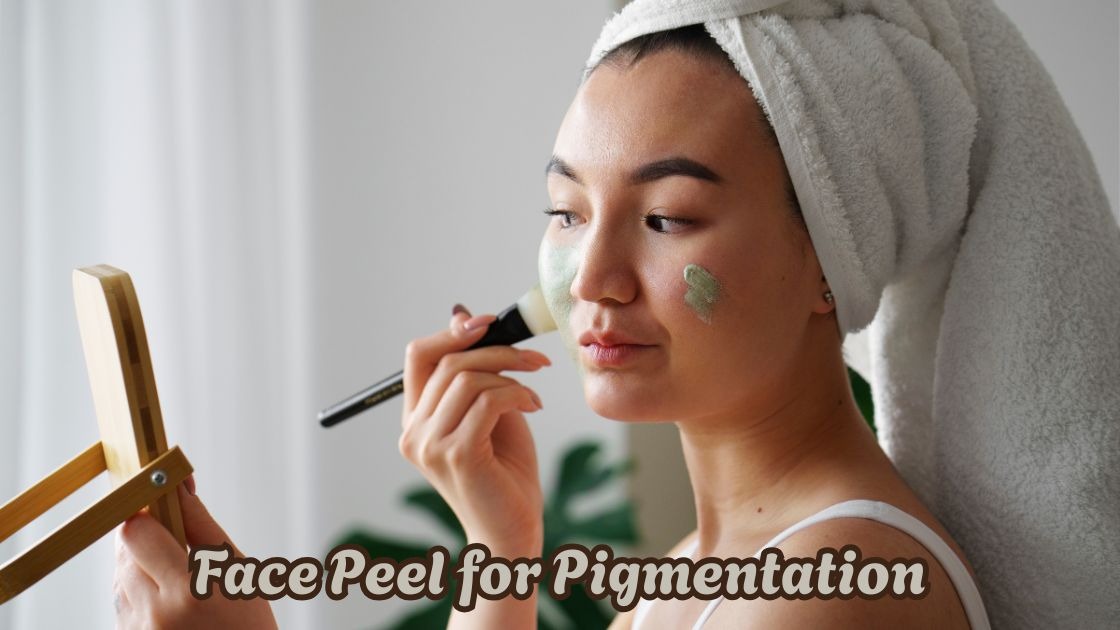
A face peel for pigmentation could be the transformative solution you’ve been searching for. This powerful skincare treatment works by removing damaged outer layers of skin, revealing fresher and more radiant complexion underneath.
In this comprehensive guide, we’ll explore how chemical peels effectively target hyperpigmentation and skin discoloration. You’ll discover the different types of peels available, learn which one suits your specific skin concerns, and understand the proper aftercare for optimal results. Whether you’re dealing with sun damage, melasma, or acne scars, understanding how a face peel for pigmentation works will help you make informed decisions about your skin brightening journey. Let’s dive into everything you need to know for achieving that flawless, even-toned complexion.
What Is a Face Peel for Pigmentation?
A face peel for pigmentation is a professional or at-home treatment that uses specific acids to exfoliate the skin’s surface. This process accelerates cell turnover and helps eliminate excess melanin that causes dark patches and uneven skin tone. These treatments have become increasingly popular because they deliver visible results without invasive procedures.
The primary goal of these peels is to break down the bonds between dead skin cells, allowing them to shed more efficiently. As new skin emerges, it appears brighter, smoother, and more evenly toned. Dermatologists and skincare professionals have used this method for decades to treat various pigmentation concerns effectively.
How Does a Chemical Peel Work on Pigmentation?
The Science Behind the Treatment
When you apply a face peel for pigmentation, the active ingredients penetrate the skin and trigger a controlled exfoliation process. The acids dissolve the glue holding dead cells together while simultaneously inhibiting melanin production. This dual action makes peels particularly effective for treating sun spots, age spots, and post-inflammatory hyperpigmentation.
The Healing Process
After treatment, your skin enters a renewal phase. The damaged layers gradually peel away over several days, revealing untouched skin beneath. This fresh layer contains less concentrated melanin, resulting in a more uniform complexion. Multiple sessions typically provide cumulative benefits for deeper pigmentation issues.
Types of Chemical Peels for Treating Dark Spots
Superficial Peels
These gentle treatments use mild acids like glycolic acid or lactic acid at lower concentrations. They work on the epidermis and require minimal downtime. Superficial peels are ideal for beginners or those with sensitive skin experiencing mild discoloration.
Medium Depth Peels
Medium peels penetrate deeper using trichloroacetic acid or higher concentrations of glycolic acid. They effectively target moderate melasma and stubborn dark patches. Recovery typically takes one to two weeks, but results are more dramatic.
Deep Peels
Reserved for severe pigmentation, deep peels use phenol to reach the lower dermal layers. These require significant downtime and should only be performed by qualified professionals. They offer the most transformative results for extensive skin damage.
Benefits of Using Face Peels for Uneven Skin Tone
A face peel for pigmentation offers numerous advantages for those seeking clearer skin:
- Reduces the appearance of dark spots and discoloration significantly
- Boosts collagen synthesis to create tighter and more youthful appearing skin
- Improves overall skin texture and smoothness
- Enhances absorption of other skincare products effectively
- Provides faster results compared to topical creams alone
Potential Side Effects and Considerations
Common Reactions
While generally safe, these treatments may cause temporary redness, peeling, and sensitivity. Some individuals experience mild stinging during application. These effects typically subside within a few days to weeks depending on peel intensity.
Who Should Avoid Chemical Peels
People with active skin infections, open wounds, or certain conditions like eczema should postpone treatment. Pregnant or nursing women should consult healthcare providers before proceeding. Additionally, those with very dark skin tones need careful consideration to avoid worsening pigmentation.
Tips for Maximizing Your Peel Results
Follow these recommendations to get the most from your face peel for pigmentation treatment:
- Always apply broad spectrum sunscreen daily without exception
- Avoid picking or pulling at peeling skin during recovery
- Keep skin hydrated with gentle and fragrance free moisturizers
- Wait the recommended time between treatment sessions
- Incorporate vitamin C serum to enhance brightening effects
Professional Treatment vs At Home Options
In Office Procedures
Dermatologists offer stronger formulations with customized concentrations for your specific needs. Professional supervision ensures safety and optimal outcomes, especially for deeper pigmentation concerns.
Home Peel Kits
Over the counter options provide convenience and affordability for maintenance between professional treatments. However, they contain lower acid percentages and require consistent use over longer periods to achieve noticeable improvements.
Final Recommendations
Choosing the right face peel for pigmentation depends on your skin type, pigmentation severity, and lifestyle. Starting with milder formulations allows your skin to build tolerance gradually. Consulting a board certified dermatologist ensures you select the most appropriate treatment while minimizing potential complications. With patience and proper care, achieving that luminous and even toned complexion is absolutely within reach.
Conclusion
Achieving a brighter and more even complexion is possible with the right approach to treating hyperpigmentation. A face peel for pigmentation offers an effective solution for reducing dark spots, melasma, and sun damage when used correctly. Remember to choose the appropriate peel strength for your skin type and always prioritize sun protection during recovery. Whether you opt for professional treatments or at home options, consistency and patience are essential for lasting results. Consulting a skincare professional ensures you receive personalized guidance tailored to your unique concerns. Start your journey toward radiant and flawless skin today with confidence.