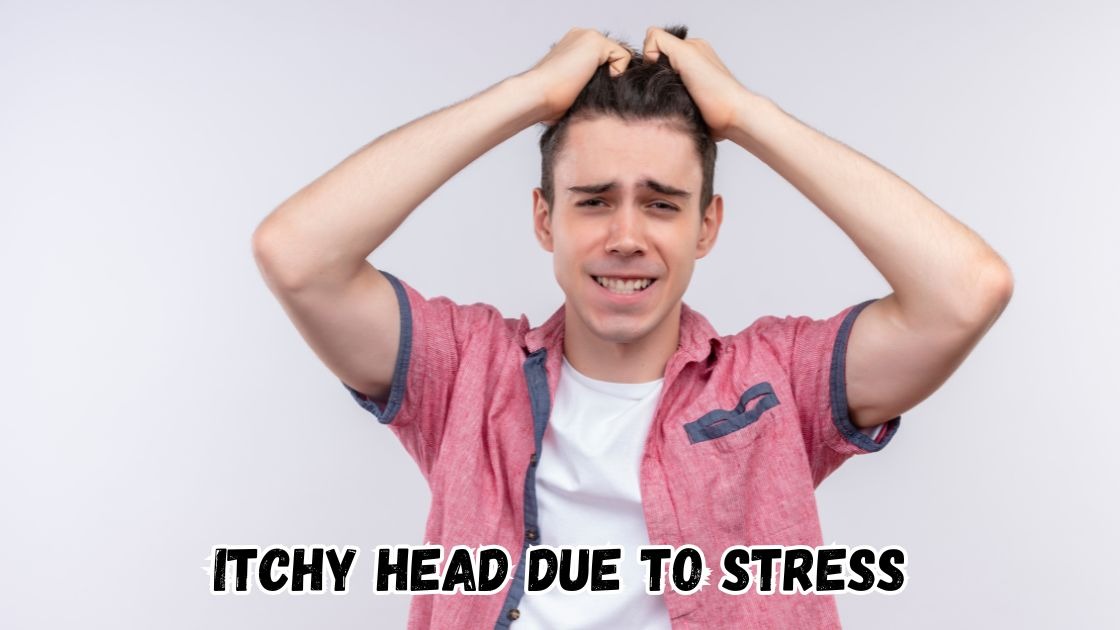
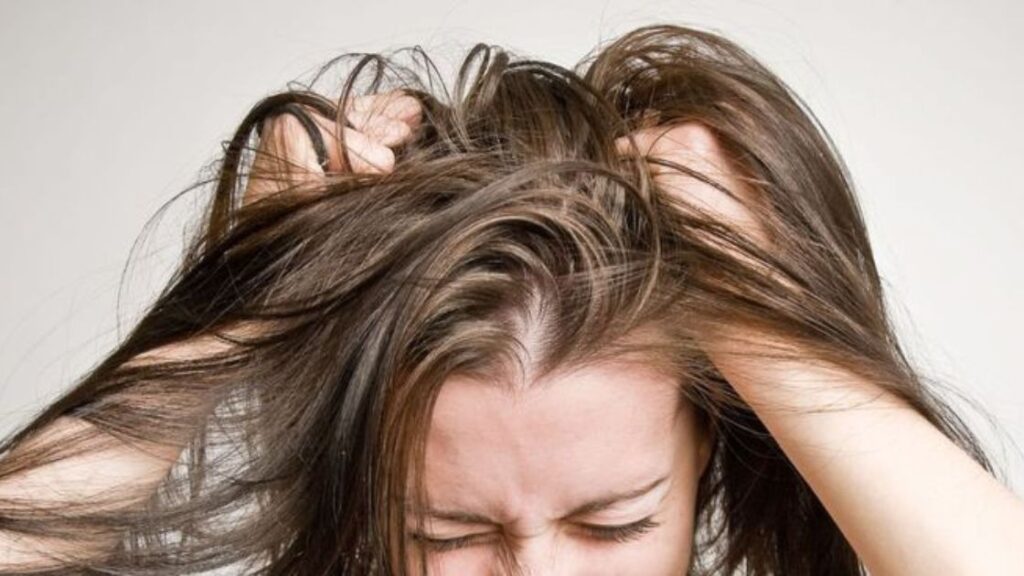
Have you ever noticed an itchy head due to stress during a particularly overwhelming day? You’re definitely not alone. Many people experience this frustrating scalp irritation without realizing the connection between their mental tension and physical symptoms. When anxiety levels rise, your body responds in unexpected ways including triggering that annoying urge to scratch.
This article explores why nervous system responses can cause your scalp to feel uncomfortable and what you can do about it. We’ll discuss the science behind this phenomenon, common triggers, and practical solutions to find relief. Whether you’re dealing with occasional discomfort or persistent symptoms, understanding the mind-body connection is the first step toward healing.
Understanding the Connection Between Stress and Scalp Discomfort
The relationship between your mind and body is incredibly powerful. When you experience itchy head due to stress, it’s your body’s way of signaling that something needs attention. This phenomenon is more common than most people realize and affects millions worldwide.
What Causes This Reaction?
Your nervous system acts as the primary driver behind this reaction. When you’re under pressure, your body releases cortisol and other stress hormones. These chemicals trigger various physical responses, including increased inflammation throughout your body. Your scalp, being rich in nerve endings and blood vessels, becomes particularly sensitive during these moments.
The skin barrier can also become compromised when you’re feeling overwhelmed. This weakening allows irritants to penetrate more easily, leading to that uncomfortable sensation you can’t ignore. Additionally, stress can disrupt your sebaceous glands, causing either excessive oiliness or dryness on your scalp.
How Stress Triggers Physical Symptoms
Understanding the mechanism behind itchy head due to stress helps you address it more effectively. Here’s what happens inside your body:
The Hormonal Response
When anxiety kicks in, your adrenal glands start working overtime. The flood of hormones affects your immune system and can cause histamine release. This is the same chemical responsible for allergic reactions, which explains why stress can mimic allergy symptoms on your scalp.
Muscle Tension Effects
Tension headaches often accompany stressful periods. The tightness in your scalp muscles restricts blood flow and creates uncomfortable sensations. Many people describe this as a crawling or tingling feeling that makes them want to scratch constantly.
Common Triggers You Should Know
Recognizing what sparks your itchy head due to stress is essential for prevention. Several situations commonly lead to this uncomfortable experience:
- Work deadlines and professional pressure
- Financial concerns and uncertainty
- Relationship conflicts or family issues
- Major life changes like moving or job transitions
- Sleep deprivation and poor rest quality
Each person responds differently to these triggers. What causes significant scalp irritation in one individual might not affect another at all. Paying attention to your personal patterns helps you identify your specific triggers.
Effective Solutions and Relief Methods
Finding relief from itchy head due to stress requires addressing both the physical symptoms and underlying causes. A comprehensive approach works best for long-term results.
Immediate Relief Techniques
When discomfort strikes, certain methods provide quick relief. Gentle scalp massage increases blood circulation and releases tension. Using cooling products containing ingredients like peppermint or tea tree oil can soothe irritated skin instantly.
Avoid scratching vigorously, as this can damage your scalp and worsen the problem. Instead, apply light pressure with your fingernips to satisfy the urge without causing harm.
Long Term Management Strategies
Sustainable relief comes from managing your overall stress levels. Try adding these helpful practices to your everyday schedule:
- Practice deep breathing exercises for ten minutes daily
- Engage in regular physical activity to reduce cortisol
- Maintain a consistent sleep schedule for better rest
- Try meditation or mindfulness techniques
- Limit caffeine and alcohol consumption
These lifestyle adjustments address the root cause rather than just treating symptoms. Over time, you’ll notice fewer episodes of itchy head due to stress as your body learns to manage tension more effectively.
When to Seek Professional Help
Sometimes, scalp problems require medical attention. If your symptoms persist despite trying home remedies, consulting a dermatologist is wise. They can rule out other conditions like psoriasis, eczema, or fungal infections that might be contributing to your discomfort.
A mental health professional can also help if stress feels unmanageable. Therapy provides tools for coping with emotional pressure and reduces the physical manifestations of anxiety.
The Importance of Self Care
Taking care of yourself isn’t selfish but rather necessary for overall wellbeing. When you prioritize mental health, physical symptoms like itchy head due to stress naturally decrease. Building healthy habits creates a foundation for lasting relief.
Remember that healing takes time. Give yourself grace while making adjustments and acknowledge every small victory you achieve.
Conclusion
Experiencing itchy head due to stress is a common yet often overlooked condition that deserves attention. Throughout this article, we’ve explored how cortisol, inflammation, and nervous system responses create uncomfortable scalp sensations. Understanding this mind-body connection empowers you to take control of your symptoms.
By implementing relaxation techniques, maintaining proper self-care routines, and addressing underlying anxiety, you can find lasting relief. Remember that persistent symptoms warrant professional evaluation from a dermatologist or mental health specialist. Taking proactive steps today ensures better scalp health and overall wellbeing tomorrow. Your body communicates through these signals, so listen and respond with care.