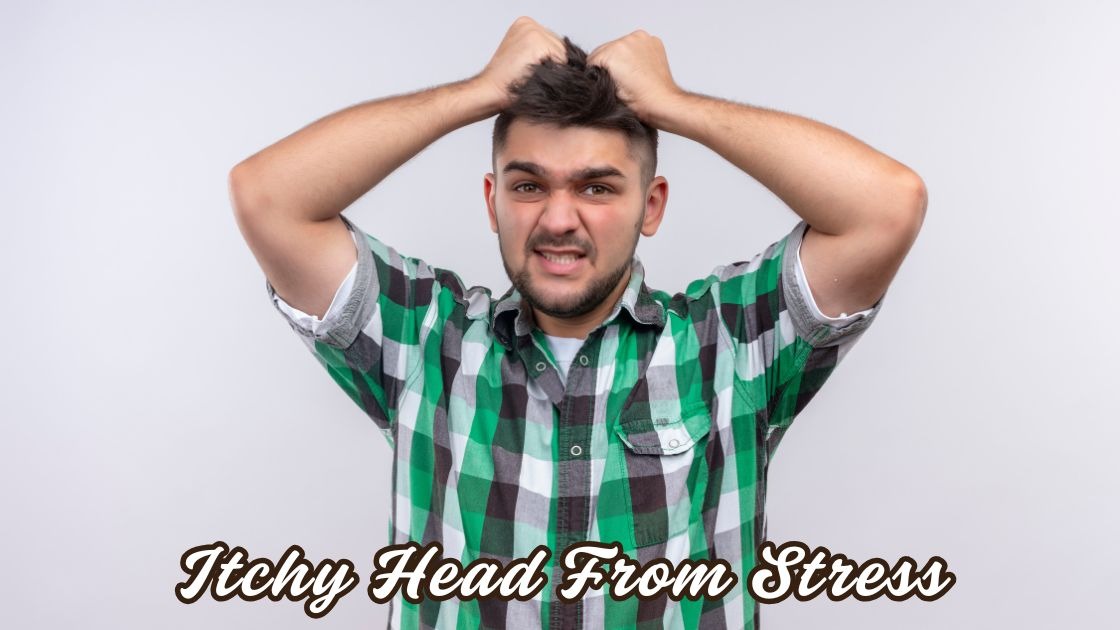
Have you ever noticed an itchy head from stress during overwhelming moments at work or home? You’re not alone. Millions of people experience this frustrating sensation when anxiety levels rise, and it’s more than just imagination. When your body reacts to emotional pressure, it can trigger real physical responses on your scalp.
This article explores the connection between psychological tension and scalp irritation, helping you understand why your head itches during stressful periods. We’ll dive into the science behind stress-induced itching, common triggers, and the role of cortisol in skin sensitivity. You’ll also discover practical solutions and natural remedies to calm both your mind and your scalp. Whether you’re dealing with occasional discomfort or chronic symptoms, this guide offers the answers you need for lasting relief.
Understanding the Connection Between Stress and Scalp Itching
The relationship between emotional pressure and physical discomfort is well documented in medical research. When you experience itchy head from stress, your body is responding to internal chemical changes triggered by anxiety and tension. This phenomenon affects people of all ages and backgrounds, making it a common yet often misunderstood condition.
How Your Body Responds to Emotional Pressure
Your nervous system plays a crucial role in how stress manifests physically. When you feel overwhelmed, your brain releases stress hormones like cortisol and adrenaline. These chemicals trigger inflammation throughout your body, including your scalp. The increased blood flow and histamine release can cause tingling, burning, and persistent itching sensations.
Additionally, stress weakens your immune system, making your skin more reactive to environmental factors. This heightened sensitivity means your scalp responds more intensely to minor irritants that wouldn’t normally bother you.
The Science Behind Stress Induced Scalp Irritation
Research shows that itchy head from stress occurs due to a process called neurogenic inflammation. Your skin contains numerous nerve endings that communicate directly with your brain. During stressful periods, these nerves become hyperactive, sending false itch signals even without physical triggers.
The Role of Cortisol
Cortisol, known as the primary stress hormone, disrupts your skin’s natural barrier function. When cortisol levels remain elevated, your scalp produces less protective oils, leading to dryness and irritation. This creates a cycle where stress causes itching, and the discomfort increases your anxiety levels further.
Psychological Factors
Anxiety disorders and chronic worry can intensify scalp sensations. Many people unconsciously scratch their heads when nervous, which damages the skin and worsens symptoms. This habit, combined with tension headaches, creates persistent discomfort that feels impossible to escape.
Common Triggers That Worsen the Condition
Understanding what aggravates your symptoms helps you manage itchy head from stress more effectively. Several factors can intensify your discomfort beyond emotional pressure alone.
Environmental and Lifestyle Factors
Your daily habits significantly impact scalp health during stressful times. Consider these common triggers:
- Poor sleep quality reduces your body’s ability to repair skin damage overnight
- Excessive caffeine consumption increases cortisol production and nervousness
- Dehydration causes dry scalp conditions that worsen itching sensations
- Hot showers strip natural oils from your scalp and increase sensitivity
- Harsh hair products containing sulfates irritate already stressed skin
Physical Health Connections
Sometimes itchy head from stress coincides with underlying conditions like seborrheic dermatitis or scalp psoriasis. Emotional pressure can trigger flare ups of these existing conditions, making symptoms more severe. If your itching persists despite stress management, consulting a dermatologist ensures proper diagnosis.

Effective Solutions for Relief
Managing this condition requires addressing both the physical symptoms and their emotional root causes. A comprehensive approach delivers the best results for lasting comfort.
Natural Remedies and Home Treatments
Several gentle solutions can soothe your scalp without harsh chemicals. Tea tree oil offers natural antifungal and anti inflammatory properties that calm irritation. Massaging your scalp with coconut oil restores moisture and reduces dryness caused by stress hormones.
Aloe vera gel delivers a soothing, cool sensation while supporting skin repair. Applying it directly to irritated areas helps reduce inflammation and discomfort quickly.
Stress Management Techniques
Addressing the underlying cause of itchy head from stress produces long term improvement. Effective strategies include:
- Practicing deep breathing exercises for ten minutes daily
- Engaging in regular physical activity to reduce cortisol naturally
- Maintaining consistent sleep schedules for better recovery
- Trying meditation or mindfulness practices to calm your nervous system
- Consulting a mental health professional or therapist for additional guidance when necessary
When to Seek Professional Help
While most cases improve with self care, persistent symptoms require medical attention. Visit a healthcare provider if your scalp irritation lasts longer than two weeks, causes hair loss, or includes visible sores. A professional can rule out other conditions and recommend appropriate treatments like medicated shampoos or prescription medications.
Understanding that itchy head from stress is a legitimate physical response helps remove any embarrassment about seeking help. Your wellbeing matters, and effective solutions exist for everyone experiencing this frustrating condition.
Conclusion
Experiencing itchy head from stress is a genuine physical response that millions of people face daily. Understanding the connection between emotional tension and scalp irritation empowers you to take control of your symptoms. By combining natural remedies like tea tree oil and aloe vera with effective stress management techniques, you can find meaningful relief. Remember that addressing both the physical discomfort and underlying anxiety creates lasting results. Consider visiting a dermatologist if your symptoms continue for more than two weeks. Taking proactive steps toward managing stress benefits not only your scalp health but your overall mental wellness and quality of life.