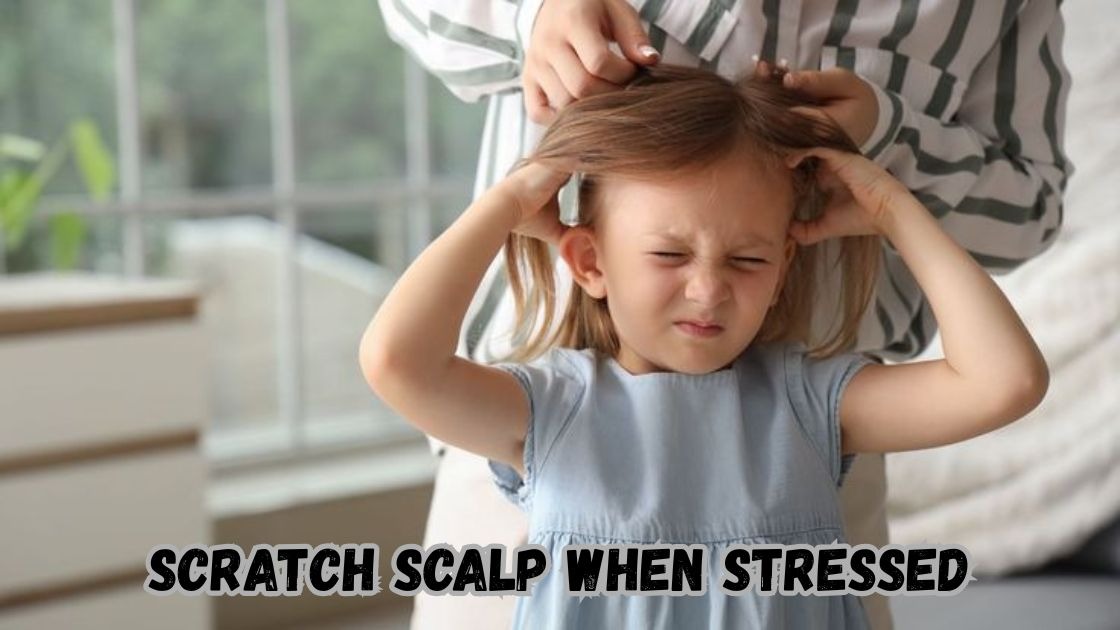
Have you ever noticed yourself starting to scratch scalp when stressed without even realizing it? You’re definitely not alone in this experience. This unconscious behavior affects millions of people worldwide and often goes unnoticed until it becomes a persistent pattern.
When anxiety takes over, our bodies respond in fascinating yet frustrating ways. Stress-related itching, nervous habits, and scalp irritation are common physical manifestations of emotional tension. The connection between our mind and skin is stronger than most people realize.
In this comprehensive article, we’ll explore why this happens, the science behind compulsive scratching, and effective strategies to break this cycle. Whether you experience occasional scalp scratching during tense moments or deal with it daily, understanding the root causes can help you find relief. We’ll also discuss practical coping mechanisms and when it might be time to seek professional guidance.

Understanding the Connection Between Stress and Scalp Scratching
The relationship between emotional stress and physical responses has been studied extensively by researchers. When you scratch scalp when stressed, your body is essentially trying to self-soothe during overwhelming moments. This behavior falls under a category known as body-focused repetitive behaviors, which includes nail biting, hair pulling, and skin picking.
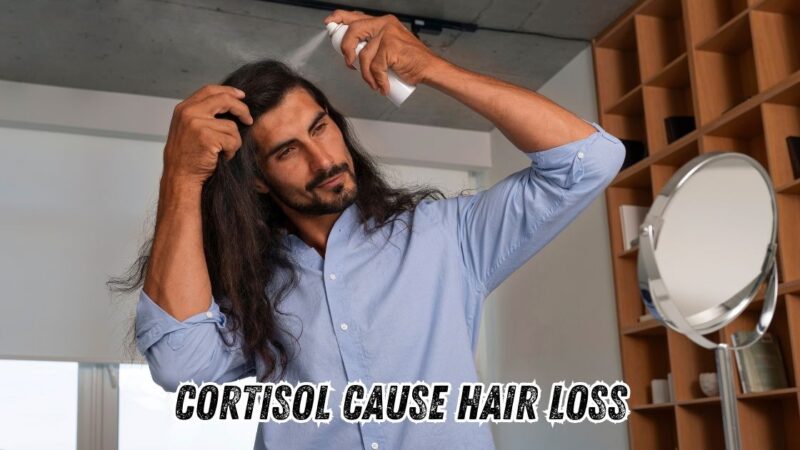
Psychodermatology is a growing field that examines how mental health directly impacts skin conditions. Experts have discovered that stress triggers the release of cortisol and other hormones that can cause genuine itching sensations on the scalp. This creates a cycle where stress causes itching, scratching provides temporary relief, and the habit becomes reinforced over time.
Why Does Your Scalp Itch During Stressful Moments
Your scalp contains thousands of nerve endings that are highly sensitive to hormonal changes. When anxiety levels rise, your body enters fight or flight mode, causing blood flow changes and inflammatory responses throughout your skin. The scalp becomes particularly reactive because of its dense concentration of hair follicles and sebaceous glands.
Moreover, elevated stress levels can weaken your skin’s protective barrier. This leads to dryness, sensitivity, and increased susceptibility to irritation. Many people who scratch scalp when stressed report that the sensation feels almost automatic, happening before they consciously recognize it.
The Science Behind Stress Induced Scratching
Neurological Factors
The brain plays a central role in this phenomenon. When you experience psychological tension, your nervous system becomes hyperactive. The same neural pathways that process emotions also influence skin sensations. This explains why emotional distress can manifest as physical itching.
Histamine release increases during stressful periods, contributing to genuine itchy sensations. Your brain interprets scratching as a form of relief, releasing small amounts of dopamine that temporarily improve your mood. Unfortunately, this reward mechanism strengthens the habit loop.
Psychological Components
From a psychological perspective, scratching serves as a coping mechanism. It provides distraction from overwhelming thoughts and gives a sense of control during chaotic moments. However, this behavior can escalate into compulsive scratching if left unaddressed, potentially causing scalp damage and hair loss.
Recognizing the Signs and Symptoms
Understanding when you scratch scalp when stressed is the first step toward managing this habit. Common indicators include:
- Finding yourself scratching during work deadlines or difficult conversations
- Noticing redness or tenderness on your scalp after stressful events
- Experiencing temporary relief followed by guilt or frustration
- Observing flakes or scalp irritation that worsens during anxious periods
- Realizing others have pointed out this behavior to you
Physical Consequences to Watch For
Repeated scratching can lead to serious scalp conditions including infections, scarring, and hair follicle damage. Some individuals develop seborrheic dermatitis or worsen existing conditions like psoriasis through constant irritation. Broken skin also becomes vulnerable to bacterial infections.

Effective Strategies to Break the Habit
Managing the urge to scratch scalp when stressed requires addressing both the physical sensations and underlying emotional triggers.
Immediate Relief Techniques
When you feel the urge arising, try these alternatives:
- Apply gentle pressure to your scalp instead of scratching
- Use a scalp massage technique with your fingernails retracted
- Occupy your hands with a stress ball or sensory gadget.
- Practice deep breathing to reduce immediate tension
- Apply a cooling scalp spray to soothe irritation
Long Term Solutions
Cognitive behavioral therapy has proven highly effective for body-focused repetitive behaviors. Working with a therapist helps identify triggers and develop healthier responses. Mindfulness meditation also builds awareness, allowing you to catch the behavior before it starts.
Regular stress management through exercise, adequate sleep, and healthy boundaries reduces overall anxiety levels. Some individuals benefit from keeping a journal to track patterns between their emotional state and scratching episodes.
When to Seek Professional Help
If scratching has caused visible damage, significant hair loss, or interferes with daily functioning, consulting a dermatologist or mental health professional is recommended. They can rule out underlying skin conditions and provide targeted treatment options including medication if necessary.
Conclusion
Understanding why you scratch scalp when stressed empowers you to take control of this common yet often overlooked habit. The connection between emotional tension and physical responses is real, and recognizing your triggers is essential for breaking the cycle.
By implementing stress management techniques, practicing mindfulness, and seeking professional support when needed, you can effectively manage this behavior. Remember that scalp health and mental wellness are deeply interconnected. Nurturing one directly benefits the other.
Don’t ignore persistent scratching patterns. Whether through self-care practices or therapy, lasting relief is achievable. Your journey toward healthier coping mechanisms starts with awareness and consistent effort toward positive change.