
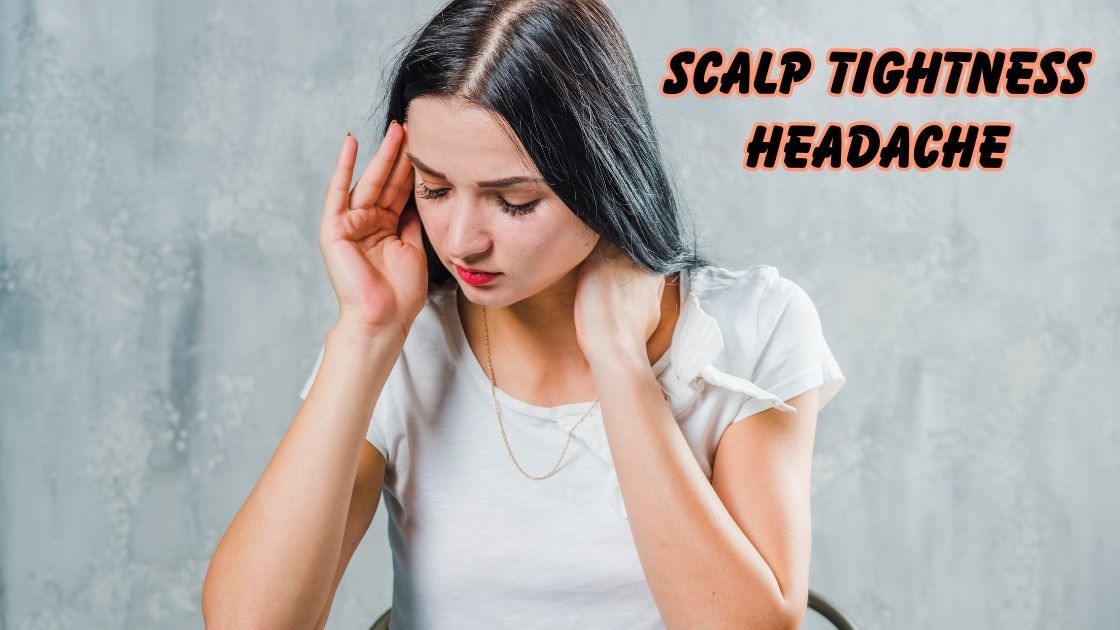
Scalp tightness headache is one of the most common yet misunderstood types of head pain that affects millions worldwide. This uncomfortable sensation often leaves people struggling to focus, work, or enjoy daily activities. Whether triggered by stress, poor posture, or underlying conditions, understanding why your scalp feels tight is the first step toward finding relief.
In this comprehensive guide, we’ll explore the causes behind this tension-type headache, identify key symptoms, and discover effective treatments. You’ll learn about tight scalp muscles, the role of stress and anxiety, practical headache relief strategies, and when to seek medical attention for persistent head pressure. Let’s uncover what’s really happening beneath your scalp and how to finally break free from the discomfort.
What Is Scalp Tightness Headache?
A scalp tightness headache refers to a type of head pain characterized by a squeezing or pressing sensation around the forehead, temples, and back of the head. Unlike migraines that cause throbbing pain on one side, this condition creates a dull, persistent ache that feels like wearing a too-tight hat. The discomfort stems from muscle tension in the scalp, neck, and shoulders, making it one of the most prevalent forms of tension-type headaches experienced by adults.
This type of headache typically develops gradually and can last anywhere from thirty minutes to several days. Many people describe the sensation as a constant pressure rather than sharp pain, which distinguishes it from other headache disorders.
Common Causes Behind the Tightness
Physical Factors
Understanding what triggers your scalp tightness headache helps you prevent future episodes. Physical causes play a significant role in developing this uncomfortable condition. Poor posture while working at a desk or looking down at phones creates strain on neck muscles that radiates upward. Additionally, eye strain from prolonged screen time forces the muscles around your temples to work harder, contributing to that tight feeling.
Dehydration and lack of sleep also weaken your body’s ability to manage muscle tension effectively. When you’re running on empty, your muscles become more prone to tightening and spasming.
Emotional and Psychological Triggers
Your mental state directly impacts how your body holds tension. Stress and anxiety are leading contributors to scalp tightness, as emotional distress causes unconscious clenching of jaw and facial muscles. Depression can also manifest physically through persistent head pressure and discomfort.
Many individuals unknowingly grind their teeth during sleep, a condition called bruxism, which strains the temporomandibular joint and creates radiating pain across the scalp.
Recognizing the Symptoms
A scalp tightness headache presents distinct symptoms that help differentiate it from other headache types. Paying attention to these signs ensures you seek appropriate treatment.
- Bilateral pressure affecting both sides of the head equally
- Tenderness when touching the scalp or neck muscles
- Sensitivity to light or sound in moderate cases
- Difficulty concentrating due to persistent discomfort
- Neck stiffness accompanying the head pressure
Unlike migraines, this headache type rarely causes nausea or visual disturbances. The pain intensity remains mild to moderate, allowing most people to continue daily activities despite the discomfort.
Effective Treatment Options
Home Remedies and Self Care
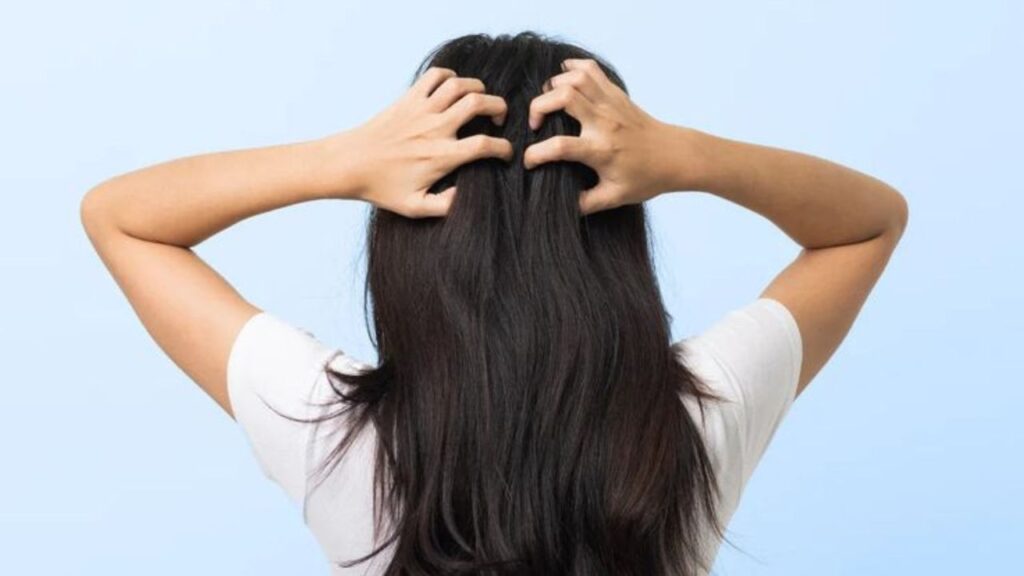
Managing a scalp tightness headache often starts with simple home interventions. Applying a warm compress to your neck and shoulders relaxes contracted muscles and improves blood circulation. Gentle scalp massage using circular motions releases built-up tension and provides immediate relief.
Relaxation techniques such as deep breathing exercises and progressive muscle relaxation train your body to release tension before it builds into a full headache. Regular practice of yoga or stretching keeps muscles flexible and reduces headache frequency over time.
Medical Treatments
When home remedies prove insufficient, several medical options exist. Over-the-counter pain relievers like ibuprofen or acetaminophen effectively manage acute episodes. However, frequent use can lead to medication overuse headaches, creating a frustrating cycle.
For chronic cases, doctors may recommend:
- Prescription muscle relaxants for severe tension
- Tricyclic antidepressants as preventive therapy
- Physical therapy focusing on posture correction
- Botox injections for treatment-resistant cases
- Cognitive behavioral therapy addressing stress triggers
Prevention Strategies for Long-Term Relief
Preventing scalp tightness headache requires consistent lifestyle modifications. Maintaining proper ergonomic workspace setup reduces physical strain during work hours. Taking regular breaks to stretch and move prevents muscle fatigue from accumulating.
Stress management through regular exercise, adequate sleep, and mindfulness practices builds resilience against tension-related pain. Staying properly hydrated and limiting caffeine intake also supports overall muscle health and reduces headache susceptibility.
Identifying your personal triggers through a headache diary empowers you to make targeted changes. Track your sleep patterns, stress levels, food intake, and activities to discover connections between your habits and headache episodes.
Conclusion
Living with scalp tightness headache doesn’t have to be your daily reality. By understanding the causes, recognizing symptoms early, and implementing effective treatment strategies, you can significantly reduce both frequency and intensity of episodes. Remember that stress management, proper posture, and consistent self-care practices form the foundation of lasting relief.
Whether you choose home remedies like warm compresses and scalp massage or seek medical intervention for persistent cases, taking action is what matters most. Listen to your body, track your triggers, and don’t hesitate to consult a healthcare professional if your tension headaches become chronic or severely impact your quality of life.