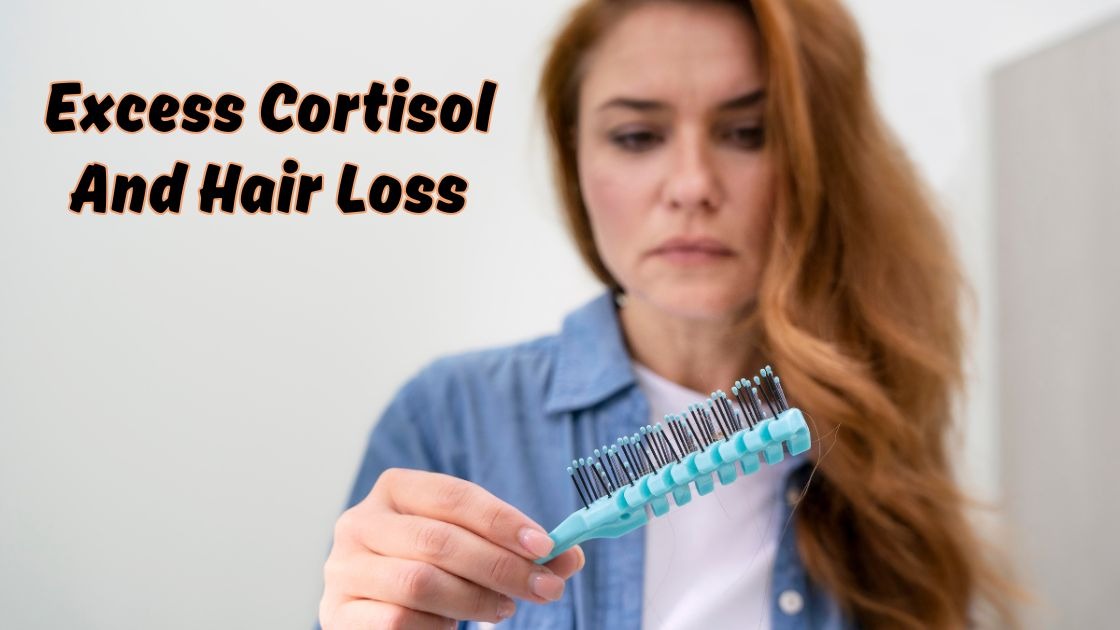
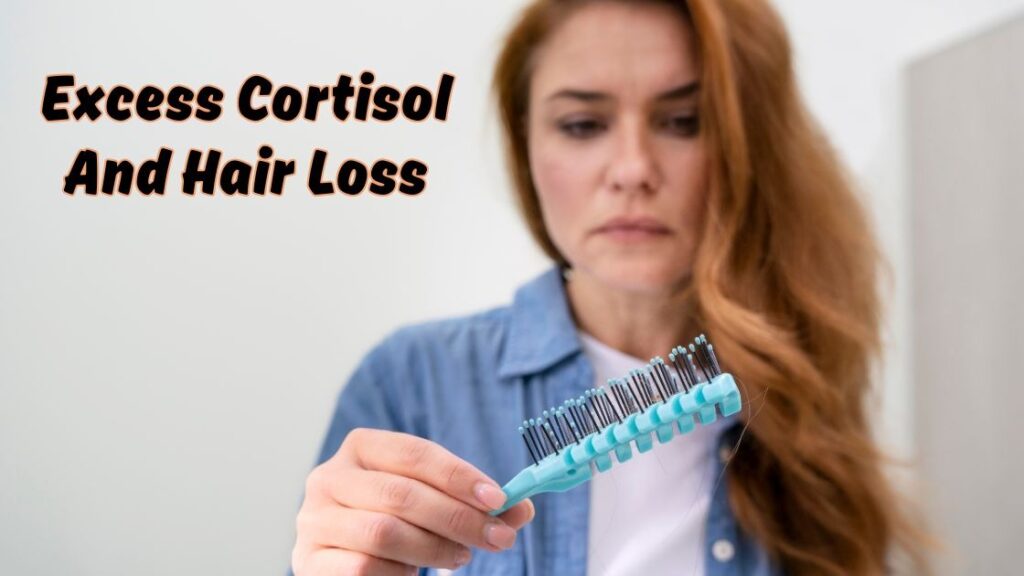
Excess cortisol and hair loss are more connected than you might think. When your body produces too much of this stress hormone, it can disrupt your hair growth cycle and weaken hair follicles. This leads to noticeable shedding and thinning over time.
Chronic stress keeps cortisol levels elevated, creating a harmful cycle that affects your overall well-being including your hair health. Recognizing this link helps you take meaningful steps toward effective remedies.
In this article, we’ll explore how high cortisol levels impact your hair, the warning signs to watch for, and practical strategies to restore balance. Whether you’re dealing with hormonal imbalance or everyday stress, you’ll find helpful insights here.
Understanding the Connection Between Cortisol and Hair Health
Cortisol is your body’s primary stress hormone, produced by the adrenal glands in response to perceived threats or tension. While short bursts of cortisol are normal and even helpful, prolonged elevation becomes problematic. Excess cortisol and hair loss occur together because sustained high levels interfere with essential bodily functions, including those that support healthy hair.
When cortisol remains elevated for extended periods, it shifts your body into survival mode. This means resources are diverted away from non essential functions like hair regeneration. Your follicles suffer as a result, leading to weakened strands and increased shedding.
How Does Cortisol Affect Hair Growth?
The relationship between excess cortisol and hair loss involves several biological mechanisms. Understanding these processes helps explain why stress so directly impacts your appearance.
Disruption of the Hair Growth Cycle
Your hair naturally cycles through three distinct stages: the anagen phase for active growth, the catagen phase for transition, and the telogen phase for rest. High cortisol levels push more follicles into the telogen phase prematurely. This condition, known as telogen effluvium, causes widespread thinning because fewer hairs are actively growing while more are falling out.
Impact on Hair Follicle Function
Cortisol reduces the production of important compounds like hyaluronan and proteoglycans that support follicle health. Without these substances, follicles shrink and produce thinner, weaker hair. Over time, this damage can become permanent if cortisol levels remain unchecked.
Signs That Stress Hormones Are Affecting Your Hair
Recognizing the warning signs of excess cortisol and hair loss early allows you to take corrective action. Many people dismiss initial symptoms as normal aging or seasonal shedding.
Common Symptoms to Watch For
- Noticing more hair on your pillow or in the shower drain than usual
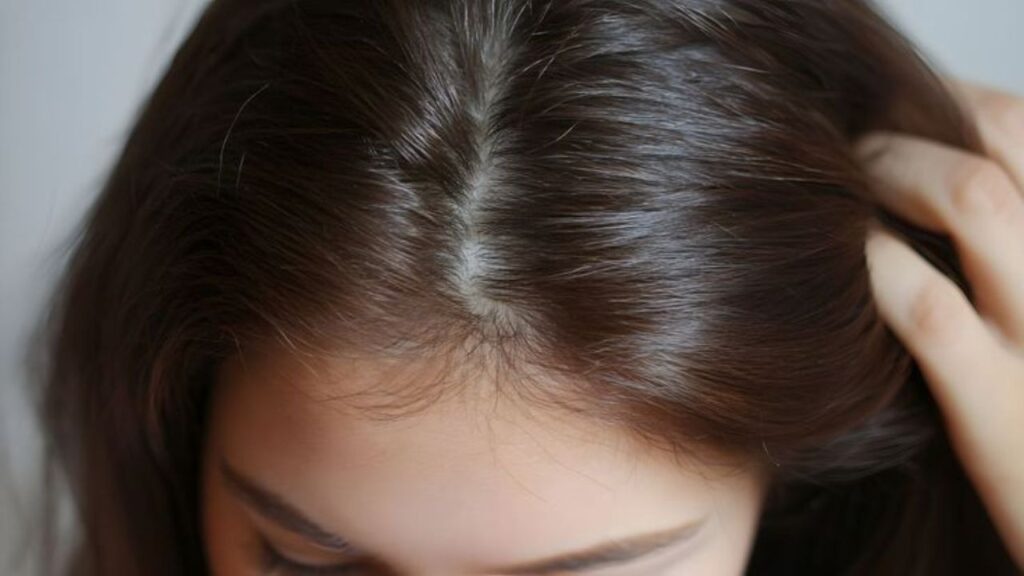
- Visible thinning around the temples or crown area
- Hair that feels brittle, dry, or breaks easily
- Slower regrowth after normal shedding
- Scalp tenderness or increased sensitivity
These symptoms often appear two to four months after a major stressful event. This delay happens because of the time it takes for affected follicles to complete their disrupted cycle.
Why Addressing This Problem Matters
The significance of understanding excess cortisol and hair loss extends beyond cosmetic concerns. Your hair health reflects your overall hormonal balance and internal well being. Ignoring persistent shedding could mean missing signs of deeper health issues.
Physical and Emotional Consequences
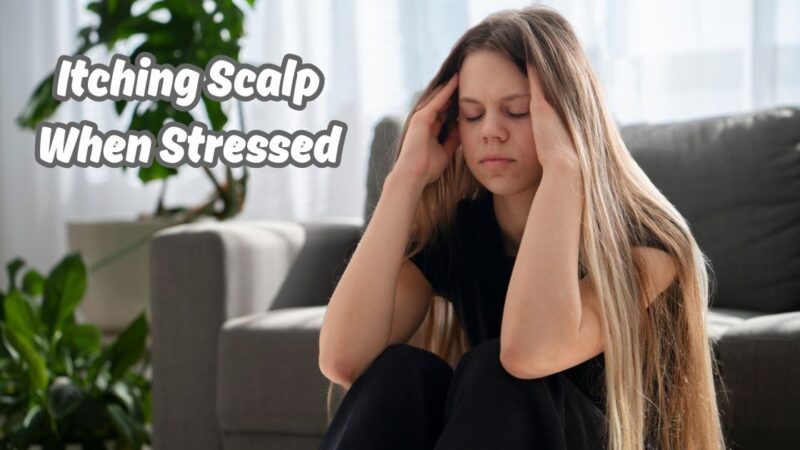
Chronic stress affects more than just your scalp. Elevated cortisol contributes to weight gain, sleep disturbances, weakened immune function, and cognitive difficulties. Meanwhile, visible hair loss often triggers anxiety and reduced self confidence, creating a cycle where stress worsens the very condition causing distress.
Practical Tips to Reduce Cortisol and Protect Your Hair
Taking steps to manage excess cortisol and hair loss involves addressing both the root cause and the symptoms. A comprehensive approach yields the best results.
Lifestyle Modifications
Making sustainable changes to your daily routine helps regulate cortisol production naturally. Consider implementing these strategies:
- Practice deep breathing exercises or meditation for 10 to 15 minutes daily
- Maintain a consistent sleep schedule with seven to nine hours of rest
- Engage in moderate physical activity like walking, yoga, or swimming
- Reduce your intake of caffeine and alcohol, particularly during nighttime hours.
- Build a support network and communicate openly about stressors
Nutritional Support
Your diet plays a crucial role in managing excess cortisol and hair loss. Focus on foods rich in B vitamins, zinc, iron, and omega 3 fatty acids. These nutrients support both adrenal health and hair follicle function. Avoiding processed foods and excessive sugar helps prevent cortisol spikes.
Professional Treatments
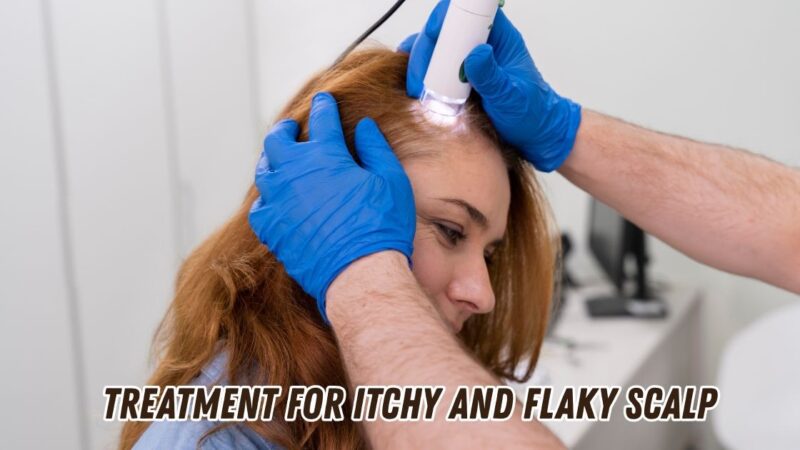
When lifestyle changes prove insufficient, consult a dermatologist or endocrinologist. They can assess your hormone levels through blood tests and recommend targeted treatments. Options may include topical solutions like minoxidil, supplements, or addressing underlying conditions contributing to hormonal imbalance.
When to Seek Medical Advice
If your hair loss persists despite stress management efforts, professional evaluation becomes essential. Sudden or severe shedding, bald patches, or accompanying symptoms like fatigue and mood changes warrant immediate attention. A healthcare provider can rule out other causes such as thyroid disorders or autoimmune conditions that mimic stress related hair loss.
Conclusion
Understanding the link between excess cortisol and hair loss empowers you to take control of your health. Chronic stress disrupts your hair growth cycle, weakens follicles, and leads to noticeable thinning. However, this condition is often reversible with the right approach.
By managing stress levels, improving your diet, and seeking professional guidance when needed, you can restore hormonal balance and support healthy hair regrowth. Remember that your hair reflects your internal well being. Addressing excess cortisol and hair loss early prevents further damage and boosts both your confidence and overall health.