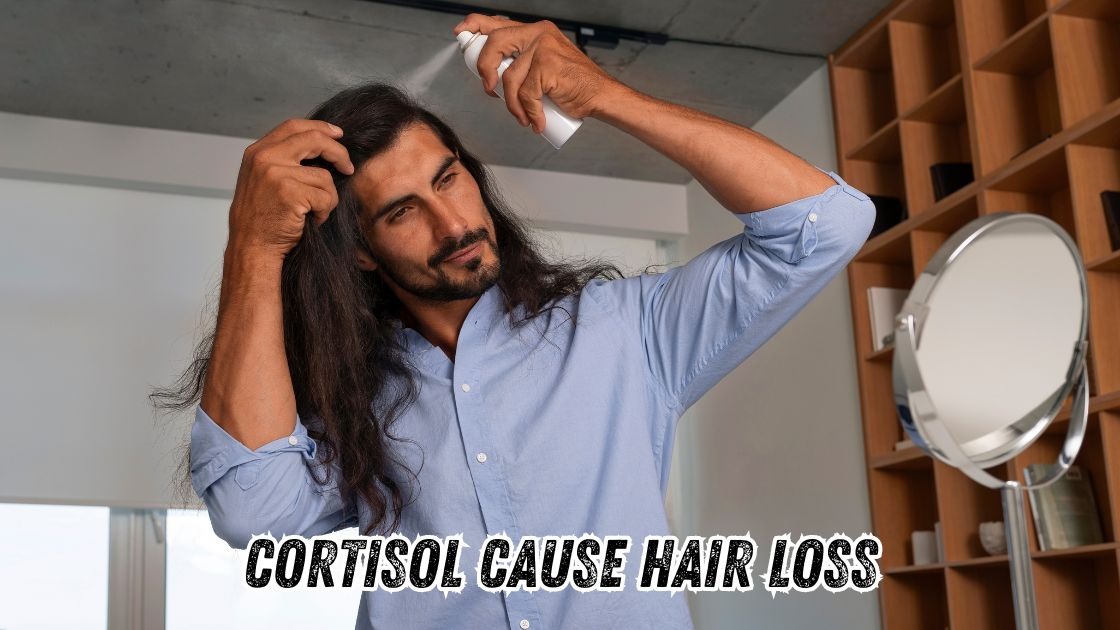
Have you ever wondered if cortisol cause hair loss during stressful periods? You’re not alone millions experience unexpected hair thinning without understanding the root cause. When your body faces prolonged pressure, it releases stress hormones that can disrupt your natural hair growth cycle and push follicles into a resting phase prematurely.
This comprehensive guide explores the fascinating relationship between elevated cortisol levels and your strands. We’ll uncover how chronic stress affects hair follicles, identify warning signs to watch for, and share practical solutions to restore your hair’s health. Whether you’re dealing with noticeable shedding or simply curious about prevention, this article provides science-backed insights to help you take control of your hair wellness journey.
Understanding How Cortisol Affects Your Hair
Cortisol is your body’s primary stress hormone, produced by the adrenal glands during challenging situations. While short bursts help you respond to immediate threats, sustained elevated levels create problems throughout your body, including your scalp. When cortisol cause hair loss, it typically happens gradually over weeks or months of chronic stress exposure.
Your hair follicles react strongly to even minor changes in hormone levels. High cortisol levels disrupt the delicate balance needed for healthy hair production, affecting everything from nutrient absorption to cellular regeneration. Understanding this connection empowers you to take proactive steps toward maintaining fuller, healthier hair.
The Science Behind Stress Related Hair Loss
Your hair follows a natural growth cycle consisting of three distinct phases. The anagen phase represents active growth, lasting two to seven years. The catagen phase signals transition, while the telogen phase marks the resting period before shedding occurs.
When cortisol cause hair loss, it forces follicles prematurely into the telogen phase. This condition, called telogen effluvium, results in excessive shedding approximately three months after a stressful event. Research shows that elevated cortisol restricts blood flow to the scalp, depriving follicles of essential oxygen and nutrients they desperately need.
How Prolonged Stress Damages Hair Follicles
Chronic stress triggers inflammation throughout your body, including your scalp tissue. This inflammatory response weakens follicle structures and impairs their ability to produce strong, healthy strands. Additionally, high cortisol interferes with protein synthesis, reducing the keratin production essential for hair strength and resilience.
Types of Stress Induced Hair Loss
Understanding different manifestations helps identify your specific situation and appropriate treatment approaches.
Telogen Effluvium
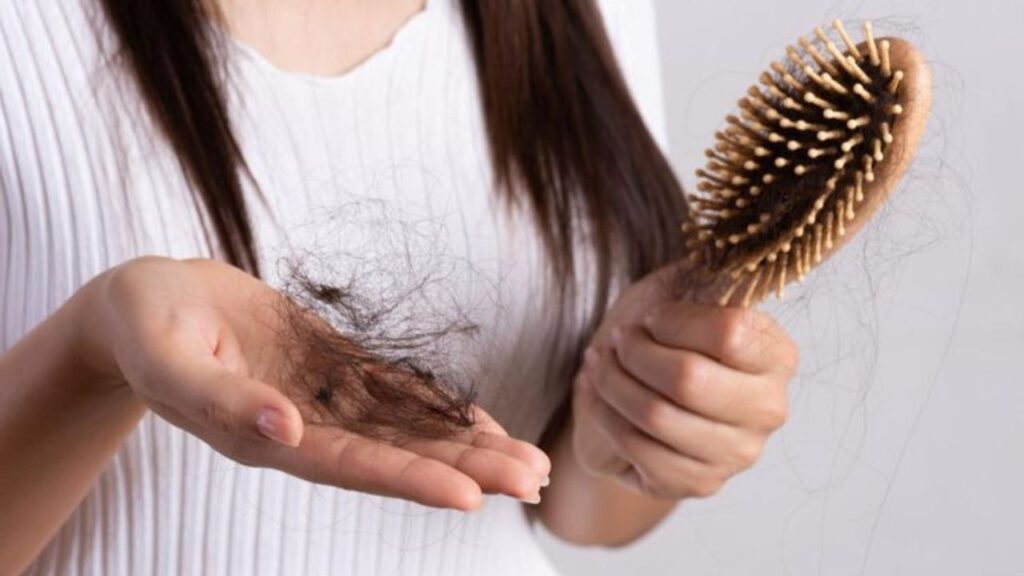
This most common form occurs when stress pushes large numbers of follicles simultaneously into the resting phase. You may notice increased shedding during brushing, showering, or simply running fingers through your hair. The good news is that telogen effluvium typically reverses once stress levels normalize.
Alopecia Areata
Sometimes cortisol cause hair loss by triggering autoimmune responses. Your immune system mistakenly attacks healthy follicles, creating patchy bald spots across the scalp. This condition requires professional medical attention and targeted treatment strategies.
Trichotillomania
Extreme stress occasionally manifests as compulsive hair pulling behaviors. This psychological condition creates noticeable thinning and requires both mental health support and dermatological care for complete recovery.
Warning Signs That Stress Is Affecting Your Hair
Recognizing early indicators allows for timely intervention before significant damage occurs.
- Noticing more hair than usual on your pillow each morning
- Finding excessive strands accumulating in shower drains
- Observing visible scalp visibility through thinning areas
- Experiencing changes in hair texture becoming brittle or dry
- Detecting slower regrowth after normal shedding cycles
Effective Strategies to Combat Cortisol Related Hair Loss
Taking action against stress induced shedding involves addressing both the symptom and underlying cause.
Lifestyle Modifications
Managing cortisol levels naturally supports hair regrowth and overall wellness. Regular physical exercise reduces stress hormones while increasing blood circulation to your scalp. Prioritizing seven to nine hours of quality sleep allows your body to repair and regenerate damaged follicles effectively.
Nutritional Support
Your hair requires specific nutrients for optimal growth and strength.
- Incorporate biotin rich foods like eggs and nuts daily
- Consume adequate protein sources including lean meats and legumes
- Add iron containing vegetables such as spinach and kale
- Include omega fatty acids from fish and avocados
- Ensure sufficient zinc intake through whole grains and seeds
Professional Treatments
When cortisol cause hair loss severely, consulting a dermatologist provides access to advanced solutions. Options include minoxidil applications, PRP therapy, and prescription medications targeting specific conditions. Early professional intervention often yields better outcomes than delayed treatment.
Stress Management Techniques
Implementing daily relaxation practices directly lowers cortisol production. Meditation, deep breathing exercises, and yoga sessions effectively calm your nervous system. Building strong social connections and engaging in enjoyable hobbies also contribute significantly to emotional balance and hormonal stability.
Conclusion
Understanding how cortisol cause hair loss empowers you to take meaningful action toward healthier strands. By recognizing the connection between chronic stress and hair thinning, you can implement effective strategies before significant damage occurs. Remember that telogen effluvium and other stress related conditions are often reversible with proper care.
Prioritize stress management techniques, maintain a nutrient rich diet, and seek professional guidance when necessary. Your hair follicles respond positively to reduced cortisol levels and improved overall wellness. With patience and consistent effort, restoring your hair’s natural vitality is absolutely achievable. Start your recovery journey today by addressing stress at its source.