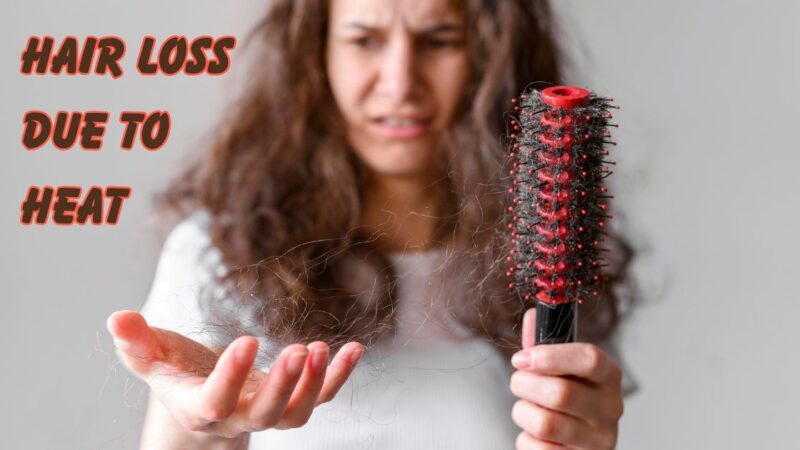
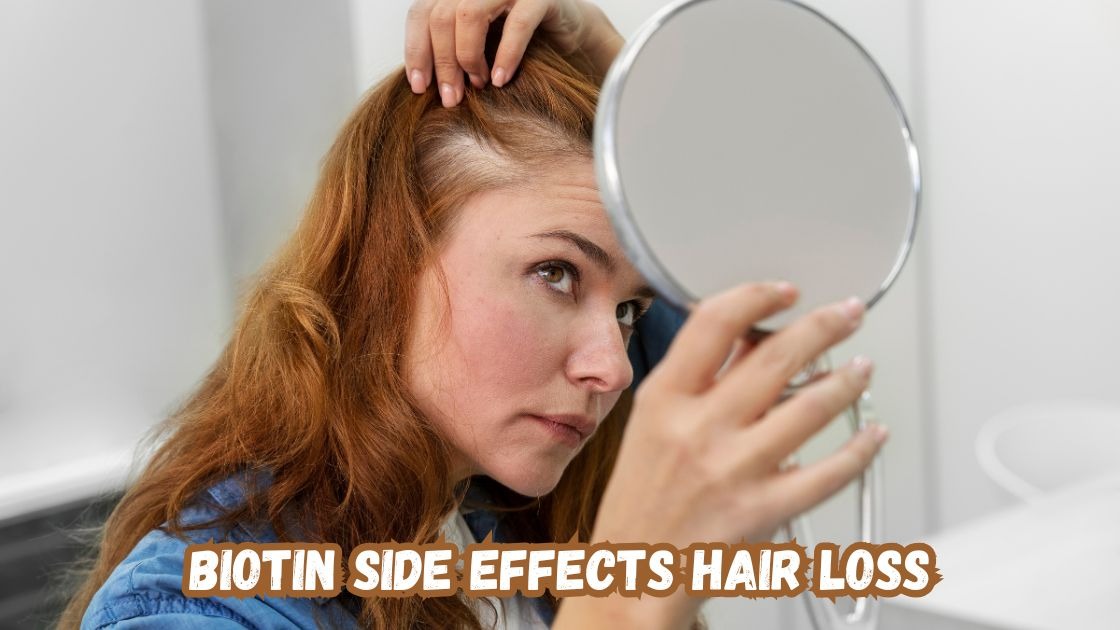
Biotin side effects hair loss is a topic that confuses millions of supplement users worldwide. While this popular B vitamin is heavily marketed for promoting thicker, stronger strands, many people wonder whether it could actually contribute to unexpected shedding. The truth may surprise you and understanding the science behind vitamin B7 supplementation is essential before adding it to your daily routine.
In this comprehensive guide, we’ll explore the relationship between biotin and hair thinning, examine potential adverse reactions, discuss proper dosage recommendations, and reveal what dermatologists actually say about biotin supplements. Whether you’re experiencing unexplained hair shedding or simply curious about this trending ingredient, you’ll discover evidence-based answers to make informed decisions about your hair health journey.
Understanding Biotin and Its Role in Hair Health
Biotin, scientifically known as vitamin B7 or vitamin H, is a water-soluble nutrient that plays a crucial role in converting food into energy. This essential vitamin supports the production of keratin, the primary protein responsible for building healthy hair, skin, and nails. The recommended daily intake for adults is approximately 30 micrograms, which most people easily obtain through a balanced diet containing eggs, nuts, legumes, and dairy products.
The beauty industry has aggressively marketed biotin as a miracle solution for achieving luscious locks. However, understanding biotin side effects hair loss requires examining the scientific evidence behind these claims. Research published in the Journal of Clinical and Aesthetic Dermatology indicates that biotin supplementation primarily benefits individuals with an actual deficiency rather than the general population seeking enhanced hair growth.
How Biotin Deficiency Affects Your Hair
True biotin deficiency is relatively rare in healthy individuals because intestinal bacteria naturally produce this vitamin. However, when deficiency occurs, it manifests through several noticeable symptoms. Hair thinning and alopecia are among the primary indicators, often accompanied by a scaly red rash around the eyes, nose, and mouth.
Certain factors increase the risk of developing biotin deficiency and subsequent hair thinning:
- Consuming large quantities of raw egg whites containing avidin, which blocks biotin absorption
- Taking certain medications including anticonvulsants and long-term antibiotics
- Genetic conditions affecting biotinidase enzyme function
- Chronic alcohol consumption impairing nutrient absorption
- Undergoing long-term parenteral nutrition without adequate supplementation
The Paradox of Biotin Side Effects Hair Loss
Here lies the confusion many supplement users face. While biotin deficiency can cause hair loss, taking excessive amounts does not necessarily promote better hair growth. According to research from the National Institutes of Health, biotin side effects hair loss is not a direct adverse reaction commonly associated with supplementation. The body simply excretes excess biotin through urine since it is water-soluble.
However, high-dose biotin supplements can interfere with laboratory test results, potentially leading to misdiagnosis of thyroid conditions, heart problems, and hormone imbalances. These misdiagnoses might result in inappropriate treatments that could indirectly affect hair health and overall wellbeing.
What Science Actually Says About Biotin Supplementation
A systematic review examining biotin’s efficacy for hair growth found limited evidence supporting its use in healthy individuals. Researchers analyzed 18 reported cases of biotin use for hair and nail changes, discovering that all patients who showed improvement had an underlying pathology causing their hair problems. For people without deficiency, the claimed benefits remain largely unsubstantiated.
Real Causes Behind Unexpected Hair Shedding
When experiencing unexplained hair loss while taking biotin, the supplement itself is rarely the culprit. Instead, consider these common underlying factors that dermatologists frequently identify:
- Hormonal imbalances including thyroid dysfunction and polycystic ovary syndrome
- Nutritional deficiencies in iron, zinc, vitamin D, or protein
- Telogen effluvium triggered by stress, illness, or major life changes
- Androgenetic alopecia influenced by genetic predisposition
- Medication side effects from blood thinners, antidepressants, or birth control
Understanding the actual cause of your hair thinning is essential before assuming biotin will provide a solution. A thorough evaluation by a dermatologist typically includes examining diet, exercise habits, family history, medications, and comprehensive bloodwork.

Proper Usage and Dosage Recommendations
If you choose to try biotin supplements after confirming a deficiency, following proper guidelines ensures safety and effectiveness. Most over-the-counter products contain anywhere from 500 to 10,000 micrograms, far exceeding the daily adequate intake. While no major toxicities have been reported at these levels, the FDA does not recommend routine daily usage for healthy individuals.
When Biotin Supplementation Makes Sense
Certain populations genuinely benefit from additional biotin intake. Pregnant and breastfeeding women have increased requirements due to accelerated metabolism. Individuals with inherited enzyme deficiencies, those recovering from malnutrition, and patients taking medications that deplete biotin stores may also require supplementation under medical supervision.
The relationship between biotin side effects hair loss ultimately comes down to individual circumstances. Rather than self-prescribing supplements based on marketing promises, consulting a healthcare professional ensures you address the true root cause of any hair health concerns while avoiding unnecessary or potentially problematic supplementation.
Conclusion
Understanding biotin side effects hair loss requires separating marketing hype from scientific reality. While this essential vitamin B7 genuinely helps individuals with documented deficiencies, healthy people rarely experience significant benefits from excessive supplementation. The key takeaway is that hair thinning typically stems from underlying conditions rather than biotin intake itself.
Before adding any hair supplements to your routine, consult a dermatologist to identify the true cause of your concerns. Proper diagnosis ensures you receive appropriate treatment rather than relying on unproven solutions. Remember, achieving optimal hair health involves addressing nutritional balance, managing stress, and maintaining overall wellness through evidence-based approaches.