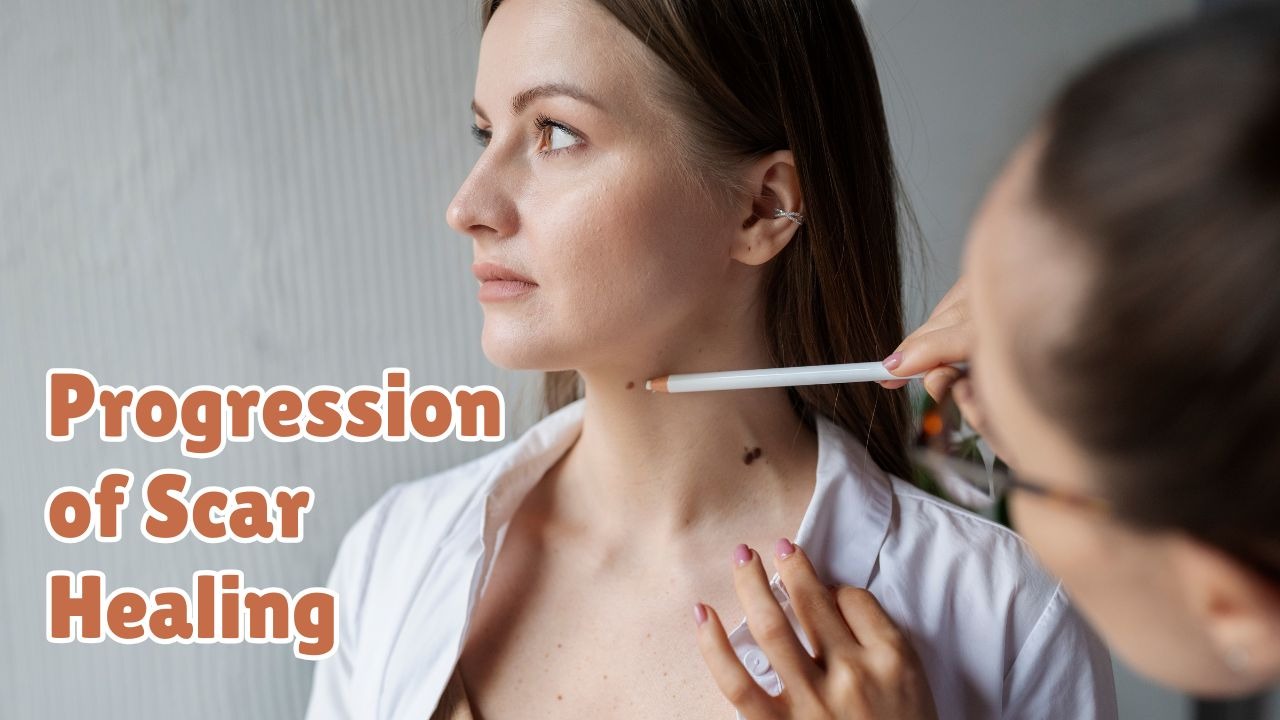
The progression of scar healing is a fascinating process that varies widely among individuals, depending on multiple factors. Understanding how scars evolve over time can help you manage them effectively and improve recovery outcomes.
In this article, we explore the stages of scar healing, from initial inflammation to tissue remodeling, and discuss the factors influencing scar formation, including skin type, age, nutrition, genetics, and wound care practices. Whether you have sensitive skin, oily skin, or darker skin tones, knowing how each type responds during healing can guide proper treatment and minimize long-term marks.
By the end, you’ll gain practical insights into tracking and supporting your skin’s natural repair process, ensuring optimal results at every stage.
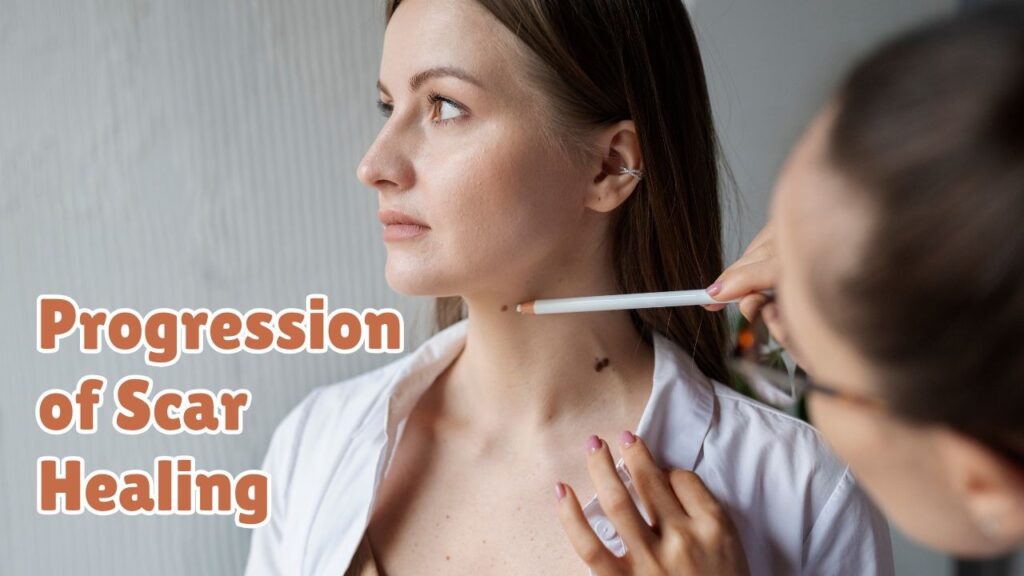
Understanding the Progression of Scar Healing
The progression of scar healing is a remarkable process through which the skin repairs itself after injury. It involves multiple phases that ensure tissue recovery, restoration of skin integrity, and prevention of infection. Understanding this process is crucial for individuals seeking effective scar management and for healthcare professionals providing dermatological care. Each person’s healing journey is unique, influenced by skin type, age, genetics, and lifestyle choices.
Monitoring scars through each stage allows for timely interventions, improving both aesthetic outcomes and functional recovery. This article explores the stages, key influencing factors, types of scars, and practical tips for optimizing healing.
Definition and Background of Scar Healing
Scar healing is the natural biological process by which the skin repairs wounds. It is part of the broader wound healing process, which includes inflammation, tissue regeneration, and remodeling. Historically, medical practices focused primarily on infection prevention, but modern dermatology emphasizes understanding the stages of scar healing and factors that can enhance or delay recovery. Scar formation is significant because it affects appearance, skin function, and sometimes mobility, depending on the wound location.
Proper understanding of scar biology, collagen deposition, and tissue remodeling helps in developing effective treatment plans and preventive strategies.
Stages of Scar Healing
Inflammatory Stage
The inflammatory stage occurs immediately after injury and typically lasts 48–96 hours. During this phase, the body activates its immune response to remove damaged tissue and fight infection. Key components include white blood cells, platelets, and growth factors, which collectively prepare the wound for tissue rebuilding. People with sensitive skin or pre-existing conditions may experience prolonged inflammation, which can slow the progression of scar healing. Proper wound cleaning, hydration, and avoidance of irritants are essential at this stage.
Proliferative Stage
This stage generally spans from day 3 to week 3 post-injury. Fibroblasts produce collagen fibers, which form the structural foundation for new tissue. Angiogenesis ensures a consistent supply of oxygen and nutrients, supporting rapid tissue regeneration. Proper nutrition, particularly protein, vitamin C, and zinc, can accelerate this process. Using topical treatments like moisturizers or silicone gels helps maintain a hydrated environment for optimal cell growth.
Remodeling Stage
The remodeling or maturation stage may last several months. During this phase, new tissue organizes into a stronger, more durable structure. Scar color often fades, and thickness reduces over time. Factors like skin elasticity, sun exposure, and genetic predisposition can influence final scar appearance. Techniques like scar massage, laser therapy, or continued use of silicone sheets can significantly enhance outcomes.
Factors Influencing Progression Of Scar Healing
Skin Type
Different skin types, including dry, oily, sensitive, or darker skin tones, heal differently. Individuals with hyperpigmentation tendencies may notice more visible scars, while those prone to keloids require specialized care. Tailoring treatments to skin type is vital for optimizing the progression of scar healing.
Age and Genetics
Younger individuals typically have faster collagen production and quicker recovery. Genetics also influence scar characteristics, including thickness, color, and elasticity. Understanding these factors allows for personalized scar management plans.
Nutrition and Lifestyle
Proper nutrition is critical. Adequate intake of proteins, vitamin C, zinc, and antioxidants supports tissue regeneration. Lifestyle habits like avoiding smoking, limiting alcohol, and protecting skin from sun exposure further promote healing.
Wound Care Practices
Consistent and proper wound care is essential. This includes cleaning, maintaining hydration, applying antimicrobial ointments, and using protective dressings. Following these practices reduces the risk of infection and promotes smoother scar formation.
Types of Scars and Their Healing Patterns
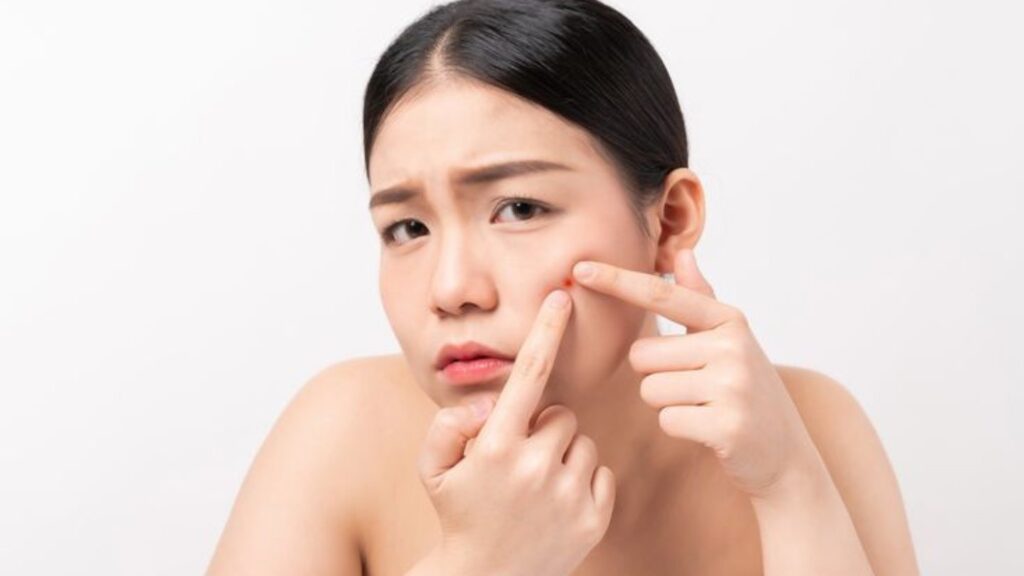
Scars are categorized based on appearance and formation: hypertrophic scars, keloids, atrophic scars, and contractures. Each type has unique healing patterns, which impact the overall progression of scar healing.Atrophic scars result from tissue loss, often seen in acne or chickenpox scars. Understanding the scar type helps in selecting effective treatments, such as laser therapy, microneedling, or topical silicone applications.
Tips and Recommendations for Optimal Scar Healing
- Maintain consistent hydration to enhance tissue repair
- Use silicone sheets or gels to reduce scar thickness
- Protect scars from sun exposure to prevent hyperpigmentation
- Follow a balanced diet rich in protein, vitamin C, and zinc
- Avoid scratching, picking, or irritation of the wound
- Apply gentle scar massage to improve elasticity and blood flow
- Choose treatment strategies suited to your skin type
- Seek professional advice for keloid-prone or hypertrophic scars
- Track progression of scar healing regularly to adjust care
Conclusion:
The progression of scar healing is a complex process influenced by skin type, nutrition, age, and wound care practices. Understanding the stages of scar healing allows individuals to take proactive steps to minimize visible marks and support healthy tissue repair. Proper attention to hydration, collagen production, sun protection, and consistent treatment strategies can significantly enhance outcomes. By applying these insights, you can improve the overall appearance and durability of scars, ensuring smoother recovery and better skin health. Early care and monitoring remain key to optimal results.