
Coconut oil for sebaceous dermatitis has become a popular natural remedy that many people swear by. This frustrating skin condition causes scalp inflammation, itchy patches, and embarrassing flakes that can affect your confidence daily.
In this comprehensive guide, we’ll explore whether this tropical oil truly works for managing sebaceous dermatitis symptoms. You’ll discover the science behind its antifungal properties, learn proper application methods, and understand potential risks. We’ll also discuss how it compares to other natural treatments and when you might need medicated options instead.
Whether you’re dealing with stubborn dandruff or facial redness, understanding how coconut oil interacts with your skin barrier could be the first step toward clearer, healthier skin.
Understanding Seborrheic Dermatitis and Its Causes
Seborrheic dermatitis is a common chronic skin condition that affects millions of people worldwide. It causes red, scaly patches and stubborn dandruff that can appear on your scalp, face, and other oily areas of your body.
Related Article: Why Coconut Oil for Dry Hair Works Better Than Most Store-Bought Products
The main culprit behind this condition is an overgrowth of Malassezia yeast, which naturally lives on your skin. When this fungus multiplies excessively, it triggers inflammation and those annoying flakes you desperately want to eliminate.
Why People Turn to Natural Remedies
Many individuals seek alternatives to harsh chemical treatments. Coconut oil for sebaceous dermatitis has gained attention because it offers a gentler approach to managing symptoms without prescription medications.
People often prefer natural options due to concerns about long term side effects from medicated shampoos and creams. This is where understanding how coconut oil works becomes essential.
How Coconut Oil Works Against Skin Conditions
Coconut oil for sebaceous dermatitis works through several mechanisms that target the root causes of this condition. The oil contains powerful compounds that may help restore your skin’s health.
The Power of Lauric Acid
Lauric acid makes up nearly 50% of coconut oil’s composition. This medium chain fatty acid has proven antifungal properties that can combat the Malassezia yeast responsible for seborrheic dermatitis.
Research shows lauric acid penetrates the skin barrier effectively, delivering its benefits deep into affected areas.
Moisturizing and Soothing Benefits
Beyond fighting fungus, coconut oil for sebaceous dermatitis provides intense moisturization. Dry, irritated skin often worsens symptoms, so keeping your scalp and face hydrated is crucial.
The oil creates a protective layer that:
- Locks in natural moisture
- Reduces water loss from the skin
- Soothes irritation and redness
- Softens crusty scales for easier removal
Proper Application Methods for Best Results
Using coconut oil for sebaceous dermatitis correctly maximizes its potential benefits. Here’s how to incorporate it into your skincare routine effectively.
Scalp Treatment Technique
For scalp inflammation and dandruff, follow these steps:
- Warm a tablespoon of virgin coconut oil between your palms
- Massage gently into your scalp using circular motions
- Leave it on for 30 minutes or overnight
- Wash thoroughly with a gentle sulfate free shampoo
- Repeat two to three times weekly
Facial Application Tips
When treating facial seborrheic dermatitis, apply a thin layer to affected areas. The nasolabial folds, eyebrows, and hairline are common trouble spots that respond well to topical treatment.
Always patch test first to ensure your skin tolerates the oil without adverse reactions.
Potential Challenges and Considerations
While coconut oil for sebaceous dermatitis helps many people, it doesn’t work for everyone. Understanding potential drawbacks helps you make informed decisions about your treatment plan.
When Coconut Oil Might Not Work
Some individuals experience worsened symptoms because coconut oil is comedogenic. This means it can clog pores in certain skin types, potentially aggravating the condition.
People with very oily skin may find the oil too heavy, leading to increased sebum production and more flare ups.
Signs You Should See a Dermatologist
Consider professional help if you notice:
- Severe scaling that doesn’t improve
- Spreading redness or infection signs
- No improvement after four weeks of home remedies
- Intense itching disrupting daily life
Combining Coconut Oil With Other Treatments
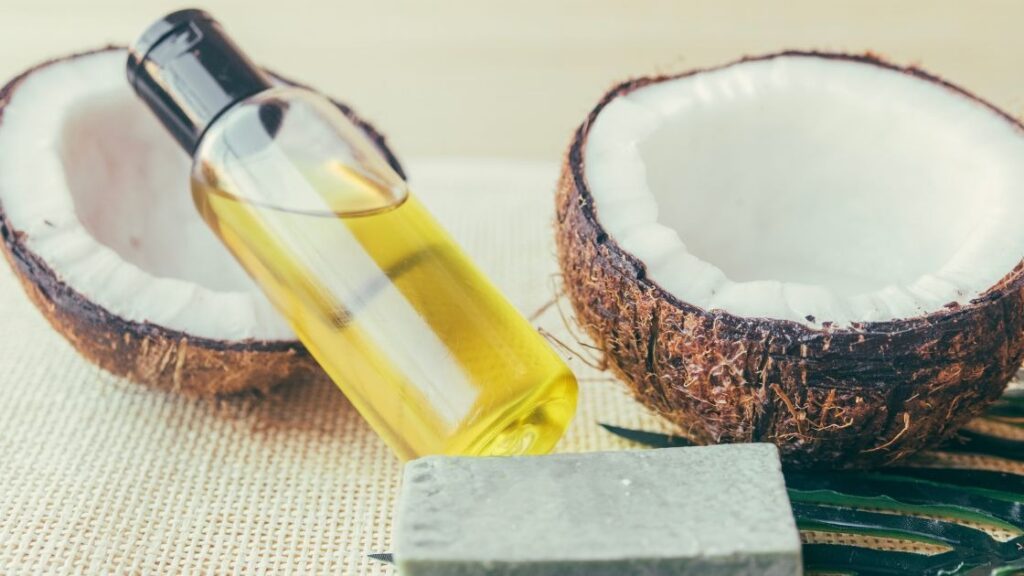
Coconut oil for sebaceous dermatitis often works best as part of a comprehensive approach. Combining it with other natural ingredients can enhance results.
Complementary Natural Options
Tea tree oil mixed with coconut oil boosts antimicrobial effects. Apple cider vinegar rinses help balance your scalp’s pH levels, creating an environment where yeast struggles to thrive.
Aloe vera gel added to your routine provides additional soothing properties that calm inflammation quickly.
Lifestyle Factors That Matter
Managing stress, getting adequate sleep, and maintaining a balanced diet all influence seborrheic dermatitis severity. These factors work alongside coconut oil for sebaceous dermatitis to keep symptoms under control long term.
Regular gentle cleansing and avoiding harsh products also support healthier skin that resists flare ups more effectively.
Conclusion
Coconut oil for sebaceous dermatitis offers a promising natural remedy for those seeking gentler alternatives to harsh treatments. Its antifungal properties, moisturizing benefits, and ability to soothe scalp inflammation make it worth trying for many sufferers.
However, results vary from person to person. While some experience significant improvement in their flaky skin and redness, others may need medicated treatments for stubborn symptoms.
The key is patience and consistency. Give coconut oil for sebaceous dermatitis adequate time to work, combine it with healthy lifestyle habits, and consult a dermatologist if symptoms persist. Your journey to clearer, healthier skin starts with finding what works best for you.