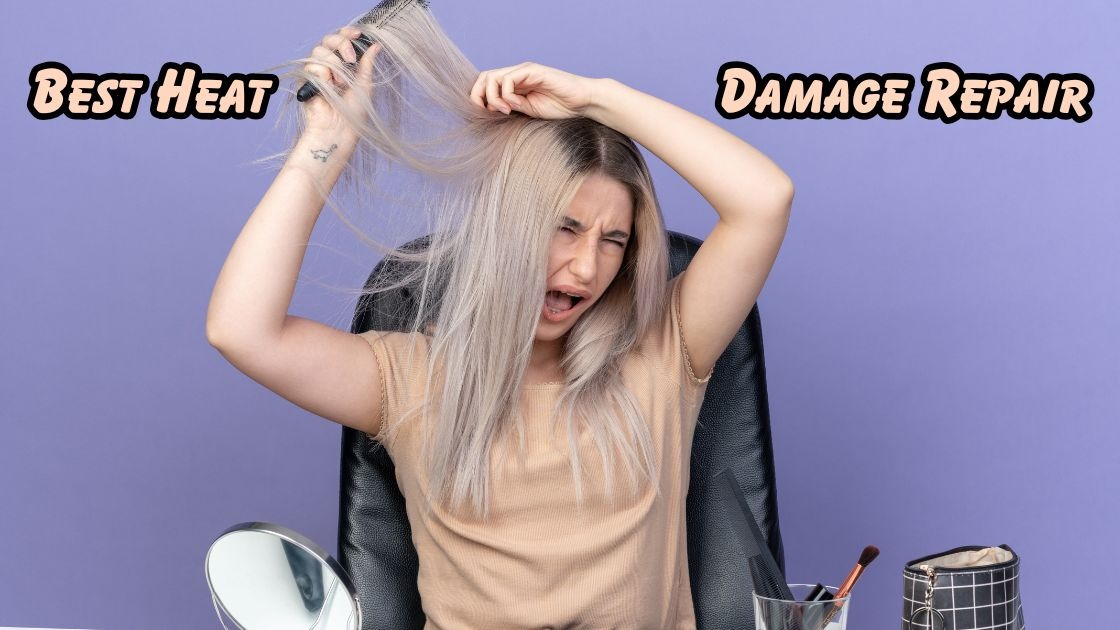
Finding the best heat damage repair solutions can transform your hair from brittle to beautiful. Constant exposure to flat irons, blow dryers, and curling wands strips away natural moisture, leaving strands weak and prone to breakage. But don’t worry restoration is absolutely possible with the right approach.
This comprehensive guide explores proven methods to revive your damaged hair and restore its natural shine. You’ll discover effective protein treatments, nourishing deep conditioning techniques, and essential tips for preventing future harm. We’ll also cover how to identify split ends and promote lasting hair health through smart styling habits.
Whether your damage is mild or severe, these expert-backed strategies will help you achieve the silky, strong hair you deserve. Let’s begin your hair restoration journey today.
Understanding Heat Damage and Its Effects on Hair
Before exploring the best heat damage repair methods, it’s essential to understand what happens when heat harms your hair. High temperatures from styling tools break down the hair cuticle, which is the protective outer layer of each strand.
When this layer becomes compromised, moisture escapes easily. Your hair becomes dry, frizzy, and prone to breakage. Over time, repeated exposure causes permanent structural changes that make strands feel rough and look dull.
Signs Your Hair Needs Repair
Recognizing thermal damage early helps you take action before problems worsen. Common indicators include:
- Excessive dryness that doesn’t improve with regular conditioning
- Split ends appearing frequently despite regular trims
- Hair that feels gummy or stretchy when wet
- Loss of natural curl pattern or texture
- Increased tangling and difficulty styling
If you notice these symptoms, implementing best heat damage repair strategies immediately will prevent further deterioration.
Proven Methods for Restoring Damaged Hair
Professional Treatments Worth Considering
Salon treatments offer intensive hair restoration solutions that deliver dramatic results. Keratin treatments help rebuild broken bonds within the hair shaft. These professional services penetrate deeply to strengthen strands from the inside out.
Bond repair treatments like Olaplex have revolutionized how stylists address brittle strands. These formulas reconnect disulfide bonds that heat destroys. Most people experience visible results following a single treatment.
At Home Remedies That Actually Work
You don’t always need expensive salon visits to achieve the best heat damage repair results. Consistent home care makes a significant difference in hair health.
Deep conditioning masks should become your weekly ritual. Look for products containing ingredients like argan oil, shea butter, and hydrolyzed keratin. Apply generously, cover with a shower cap, and leave on for at least 20 minutes.
Protein treatments help rebuild hair structure when used correctly. However, balance is crucial. Too much protein causes stiffness and additional breakage. Alternate between moisturizing masks and protein treatments for optimal results.
Here’s a simple weekly routine:
- Use a gentle sulfate free shampoo twice weekly
- Apply deep conditioner after every wash
- Use leave-in conditioner daily for added protection
- Apply hair oils to seal in moisture before styling
Essential Products for Heat Damaged Hair
Finding the best heat damage repair products requires understanding key ingredients. Effective formulas typically contain:
Ceramides restore the lipid layer that heat strips away. They smooth the cuticle and improve overall texture. Amino acids provide building blocks for stronger strands.
Natural oils like coconut, jojoba, and avocado penetrate the shaft to deliver lasting hydration. These ingredients work together to reverse dry hair symptoms and restore shine.
Choosing the Right Heat Protectant
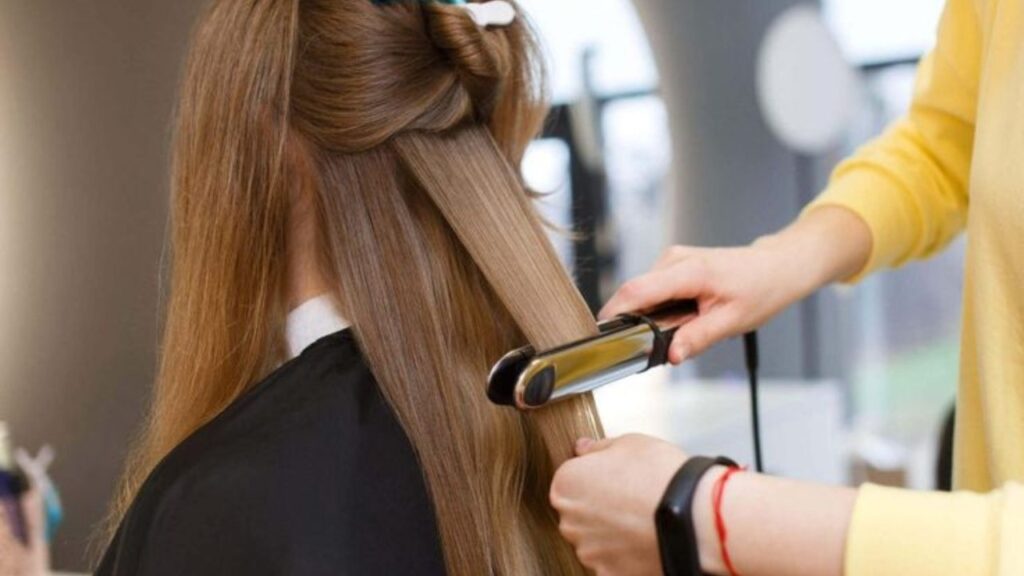
Prevention remains the smartest approach to maintaining healthy hair. A quality heat protectant creates a barrier between your strands and styling tools. Always apply before using any heated device.
Look for protectants offering coverage up to 450 degrees Fahrenheit. Spray formulas work well for fine hair, while creams suit thicker textures better.
Lifestyle Changes That Support Hair Recovery
Achieving the best heat damage repair involves more than products alone. Your daily habits significantly impact recovery speed.
Reduce heat styling frequency whenever possible. Air drying saves your strands from unnecessary stress. When you must use heat, choose lower temperature settings.
Nutrition plays a vital role in hair health. Foods rich in biotin, omega fatty acids, and vitamins A and E support stronger growth. Staying hydrated keeps strands moisturized from within.
Protecting Hair While Sleeping
Nighttime friction causes additional damage to already compromised hair. Switching to silk or satin pillowcases reduces breakage significantly. Loose braids or protective styles prevent tangling while you rest.
Managing Expectations During Recovery
Complete hair restoration takes patience. Severely damaged sections may require trimming over time. New growth will be healthier when you maintain proper care routines.
Most people notice improvement within four to six weeks of consistent treatment. The best heat damage repair journey requires commitment, but beautiful results await those who stay dedicated.
Conclusion
Reviving your hair after heat exposure is completely achievable with the right approach. The best heat damage repair strategies combine professional treatments, effective home care routines, and smart lifestyle changes. Keep in mind that steady, ongoing care delivers better results than overnight solutions.
Prioritize deep conditioning, use quality heat protectants, and reduce your reliance on styling tools whenever possible. Protein treatments and moisturizing masks work together to rebuild strength and restore shine.
With patience and dedication, your damaged hair will gradually transform into healthier, more resilient strands. Start implementing these best heat damage repair techniques today, and enjoy the beautiful results you deserve.