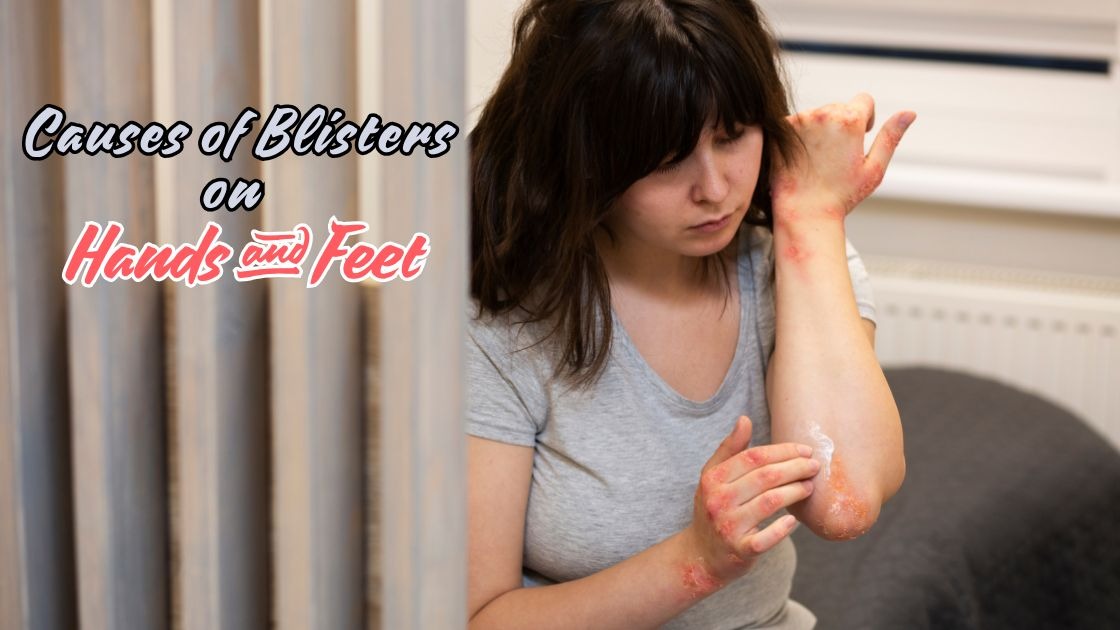
Causes of blisters on hands and feet can range from simple everyday activities to underlying health conditions that require attention. These small, fluid-filled bumps often appear unexpectedly, causing discomfort and concern for many people. Whether you’ve experienced them after a long walk, intense workout, or exposure to extreme temperatures, understanding why they develop is essential for proper care and prevention.
In this comprehensive guide, we’ll explore the various triggers behind these painful skin irritations. From friction and burns to allergic reactions and viral infections, you’ll discover what’s causing your blisters and how to address them effectively. We’ll also cover treatment options and practical prevention tips to keep your skin healthy and protected from future outbreaks.
Understanding Blisters and How They Form
Blisters are small fluid-filled sacs that develop on the outer layer of your skin. They serve as a natural protective barrier created by your body to shield damaged tissue underneath. When the skin experiences trauma or irritation, plasma seeps into the affected area, forming a cushion that promotes healing.
The causes of blisters on hands and feet vary significantly depending on your daily activities, environment, and overall health. Understanding these triggers helps you take preventive measures and seek appropriate treatment when necessary.
The Science Behind Blister Formation
Your skin consists of multiple layers working together to protect your body. When these layers separate due to damage, the space fills with clear fluid called serum. This natural healing response keeps the new skin underneath clean and protected from bacteria.
Common Physical Causes
Friction and Repetitive Motion
Friction blisters are the most frequent type affecting hands and feet. They occur when skin repeatedly rubs against surfaces like shoes, tools, or sports equipment.
Common friction triggers include:
- Wearing ill-fitting shoes or new footwear
- Using hand tools without protective gloves
- Playing sports like tennis, golf, or rowing
- Walking or running long distances
- Performing repetitive manual tasks
The causes of blisters on hands and feet from friction are entirely preventable with proper precautions and suitable protective gear.
Burns and Temperature Extremes
Both heat exposure and cold temperatures can trigger blister formation. Thermal burns from hot surfaces, steam, or flames cause immediate skin damage that results in painful blisters.
Similarly, frostbite from extreme cold damages skin cells, leading to blister development during the rewarming process. Sunburns also fall into this category, creating widespread blistering on exposed areas.
Medical and Health Related Causes
Contact Dermatitis and Allergic Reactions
Allergic contact dermatitis occurs when your skin reacts to specific substances. Common allergens that cause blisters on hands and feet include:
- Poison ivy, oak, or sumac
- Latex and rubber materials
- Certain metals like nickel
- Chemical irritants in cleaning products
- Some cosmetics and skincare ingredients
These skin reactions often appear within hours or days after exposure, accompanied by itching, redness, and swelling.
Viral and Bacterial Infections
Several infectious conditions can cause blistering on extremities. Hand, foot, and mouth disease commonly affects children, producing small blisters on palms, soles, and inside the mouth.
Herpes simplex virus can also cause recurring blisters, while bacterial infections like impetigo create fluid-filled lesions that spread easily. The causes of blisters on hands and feet related to infections require medical evaluation and treatment.
Autoimmune and Chronic Skin Conditions
Certain autoimmune disorders cause the body to attack healthy skin cells, resulting in chronic blistering. Conditions like pemphigus and bullous pemphigoid produce widespread, painful blisters requiring specialized medical care.
Eczema and dyshidrotic dermatitis specifically target hands and feet, creating small, intensely itchy blisters along the fingers, palms, and soles.
Risk Factors That Increase Blister Development
Understanding your personal risk factors helps prevent recurring problems. People with the following characteristics experience more frequent blistering:
- Athletes and physically active individuals
- Workers in manual labor occupations
- Those with sensitive skin or existing skin conditions
- Individuals with diabetes or circulation problems
- People taking certain medications
The causes of blisters on hands and feet often combine multiple factors, making identification crucial for effective prevention.
When to Seek Medical Attention
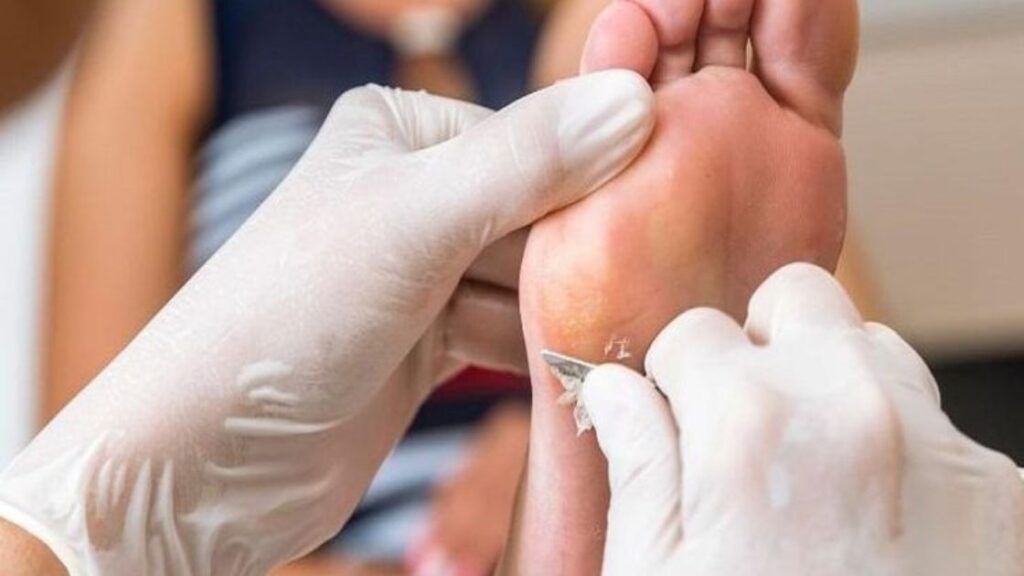
Typically, blisters resolve on their own within seven to fourteen days. Still, specific warning signs suggest you should consult a healthcare professional.
Contact a healthcare provider if you notice:
- Symptoms of infection such as discharge, spreading redness, or elevated body temperature
- Blisters appearing without obvious cause
- Recurring blisters in the same location
- Severe pain or spreading inflammation
- Blisters accompanied by other systemic symptoms
Early intervention prevents complications and ensures proper healing. Understanding the causes of blisters on hands and feet empowers you to make informed decisions about your skin health and overall wellbeing.
Conclusion
Understanding the causes of blisters on hands and feet helps you protect your skin and address problems quickly. From friction and burns to allergic reactions and viral infections, these painful bumps develop for numerous reasons. Recognizing your personal triggers allows you to take preventive measures and maintain healthy skin.
While most blisters heal naturally with proper care, persistent or severe cases require medical attention. By wearing appropriate footwear, using protective gloves, and avoiding known irritants, you can significantly reduce your risk. Stay informed about the causes of blisters on hands and feet to keep your skin comfortable and blister-free.