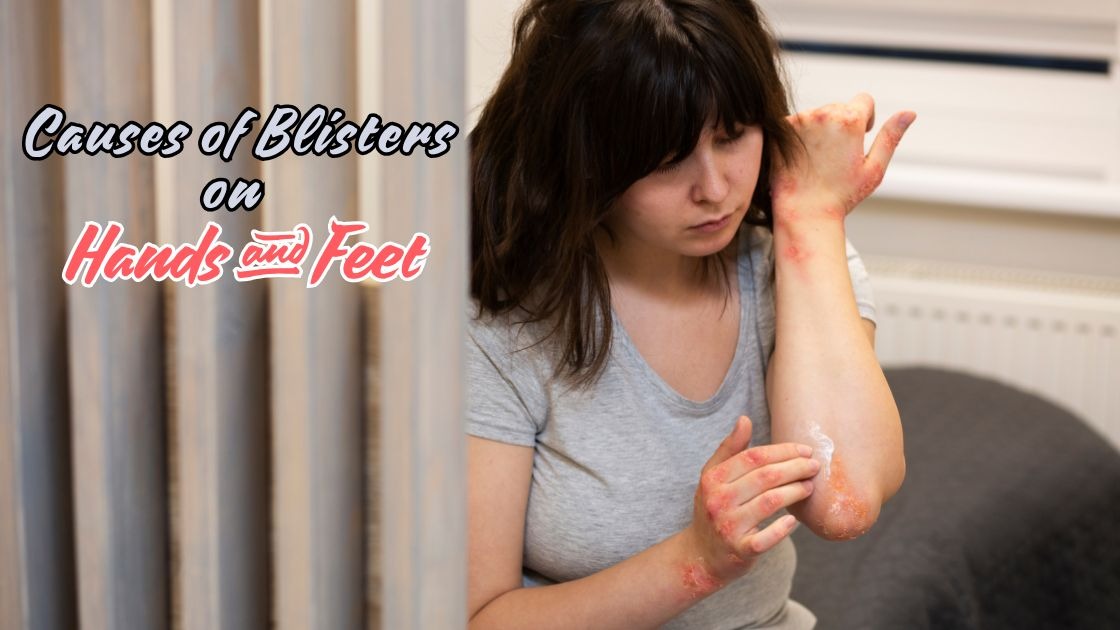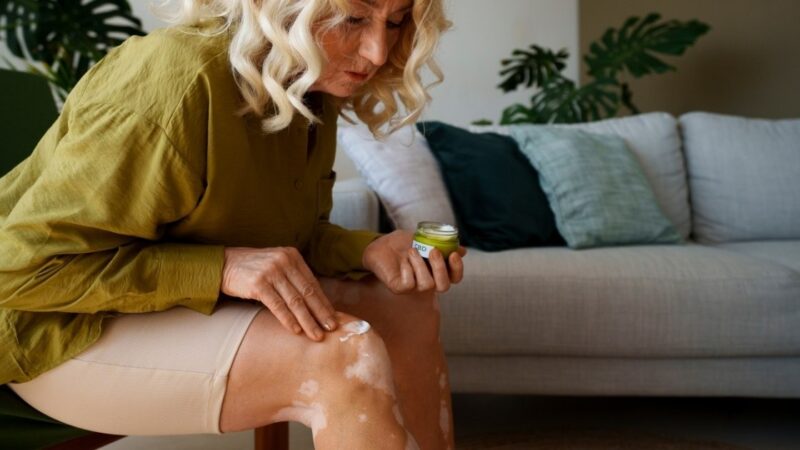

Itchy inflamed skin on legs can turn everyday activities into uncomfortable experiences, leaving you constantly scratching and searching for relief. Whether it appears as red patches, persistent skin rashes, or scaly dry skin, this frustrating condition affects millions of people worldwide. The causes range from allergic reactions and eczema to environmental factors and underlying health issues.
In this comprehensive guide, you’ll discover the most common triggers behind leg irritation, effective treatment options, and preventive measures to restore your skin’s health. We’ll explore both medical solutions and natural remedies that actually work. Understanding why your skin reacts this way is the first step toward finding lasting comfort and saying goodbye to that persistent itch for good.

Understanding the Causes Behind Leg Skin Problems
Itchy inflamed skin on legs doesn’t appear without reason. Several factors contribute to this uncomfortable condition, and identifying the root cause helps determine the most effective treatment approach.
Common Triggers and Risk Factors
Your legs are exposed to numerous irritants daily. Contact dermatitis occurs when skin touches allergens like certain fabrics, detergents, or plants. Eczema creates patches of dry flaky skin that intensify during colder months.
Other significant causes include:
- Poor blood circulation in the lower extremities
- Insect bites and stings causing localized swelling
- Fungal infections spreading across the skin surface
- Psoriasis creating thick, scaly patches
- Diabetes related skin complications
Itchy inflamed skin on legs also develops from environmental factors. Hot showers strip natural oils, while low humidity leaves skin parched and vulnerable. Certain medications trigger allergic reactions that manifest as leg rashes and persistent redness.
How Skin Inflammation Actually Works
When your immune system detects a threat, it sends inflammatory cells to the affected area. This response causes swelling, warmth, and that unbearable urge to scratch. While inflammation protects against genuine dangers, sometimes it overreacts to harmless substances.
Histamine release plays a central role in this process. This chemical widens blood vessels and makes them more permeable, leading to visible skin irritation and discomfort. Understanding this mechanism explains why antihistamines provide relief for many people.
Recognizing Symptoms Of Itchy Inflamed Skin on Legs That Require Attention
Not all cases of itchy inflamed skin on legs are equal. Some symptoms indicate minor issues while others signal serious health concerns requiring professional evaluation.
Mild to Moderate Signs
Most people experience temporary skin redness and mild itching that responds well to home care. These symptoms typically include:
- Slight burning sensation after scratching
- Small bumps or raised patches
- Dry skin that feels tight
- Minor discoloration in affected areas
Warning Signs to Watch For
Seek medical attention if you notice itchy inflamed skin on legs accompanied by fever, spreading infection, or open wounds that won’t heal. Sudden severe swelling or breathing difficulties indicate potential anaphylactic reactions requiring emergency care.
Effective Treatment Options That Actually Work
Managing leg inflammation requires a combination of immediate relief strategies and long term prevention methods. The right approach depends on your specific condition and its underlying cause.
Medical Treatments
Dermatologists commonly recommend these proven solutions:
- Topical corticosteroids reduce inflammation quickly
- Moisturizing creams restore the skin barrier
- Oral antihistamines block itch signals
- Prescription strength anti-itch treatments for severe cases
- Phototherapy for chronic conditions like psoriasis
Itchy inflamed skin on legs caused by infections requires antibiotics or antifungal medications. Your doctor may also test for underlying conditions like diabetes or thyroid disorders that contribute to skin problems.
Natural Remedies and Home Care
Many people find relief through gentle, natural approaches. Colloidal oatmeal baths soothe irritated skin while aloe vera gel provides cooling comfort. Coconut oil acts as a natural moisturizer that supports skin healing.
Wearing loose, breathable cotton clothing prevents friction and allows air circulation. Avoiding hot water and harsh soaps preserves your skin’s protective oils. These simple changes make significant differences in managing chronic skin conditions.
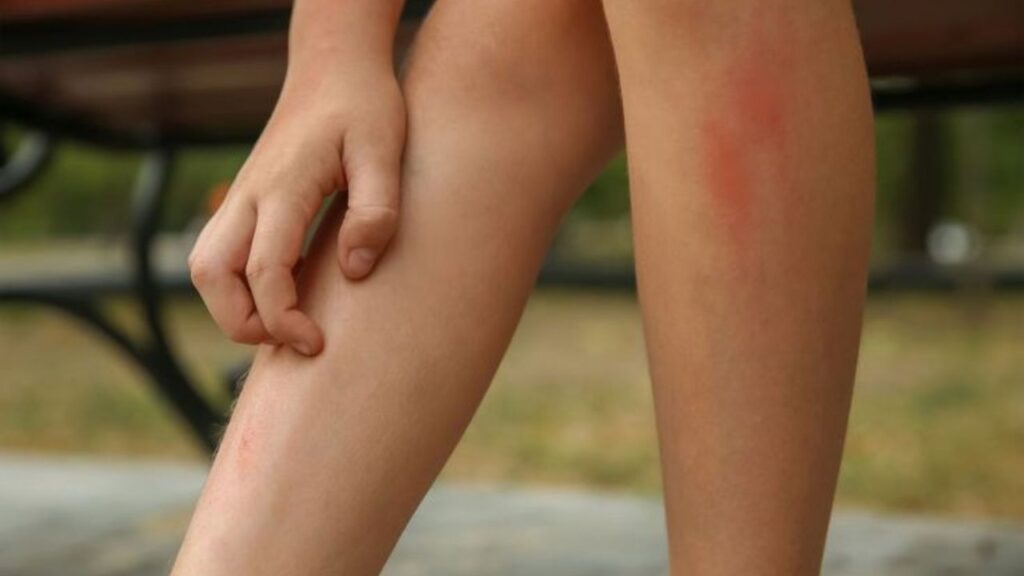
Prevention Strategies for Long Term Relief
Preventing itchy inflamed skin on legs proves easier than treating recurring flare ups. Consistent skincare habits create resilient, healthy skin.
Daily Habits That Protect Your Skin
Apply fragrance free moisturizer immediately after bathing while skin remains slightly damp. This seals in moisture and reinforces your skin’s natural protective layer. Choose gentle, pH balanced cleansers that clean without stripping essential oils.
Keep your body well hydrated by consuming enough water daily. Nutrition also matters significantly. Foods rich in omega 3 fatty acids support skin health and reduce inflammatory responses naturally.
Environmental Modifications
Use a humidifier during dry seasons to maintain optimal moisture levels indoors. Identify and eliminate potential allergens from your living space. Regular cleaning reduces dust mites and other common irritants that trigger skin reactions.
Conclusion
Dealing with itchy inflamed skin on legs doesn’t have to control your daily life. By understanding the common triggers like eczema, contact dermatitis, and dry skin conditions, you can take proactive steps toward lasting relief. Whether you choose medical treatments, natural remedies, or preventive lifestyle changes, consistency remains key to success.
Remember that persistent skin inflammation or worsening symptoms deserve professional attention. A dermatologist can identify underlying causes and create personalized treatment plans. With proper care, moisturizing routines, and smart environmental choices, you can restore your skin health and enjoy comfortable, itch free legs once again.