

Inflamed skin around nose is a frustrating condition that affects millions of people worldwide, causing discomfort and self-consciousness. This common issue can appear as redness, dry patches, or irritated areas that simply won’t go away. Whether you’re dealing with perioral dermatitis, seborrheic dermatitis, or simple environmental irritation, understanding the root cause is essential for finding relief.
In this comprehensive guide, we’ll explore the most common triggers behind nasal skin irritation and provide effective solutions to restore your skin’s health. From identifying symptoms to discovering proven treatments and preventive measures, you’ll learn everything needed to achieve clear, calm skin. Let’s dive into the causes, remedies, and expert tips that can help you say goodbye to persistent facial redness for good.

What Is Inflamed Skin Around Nose?
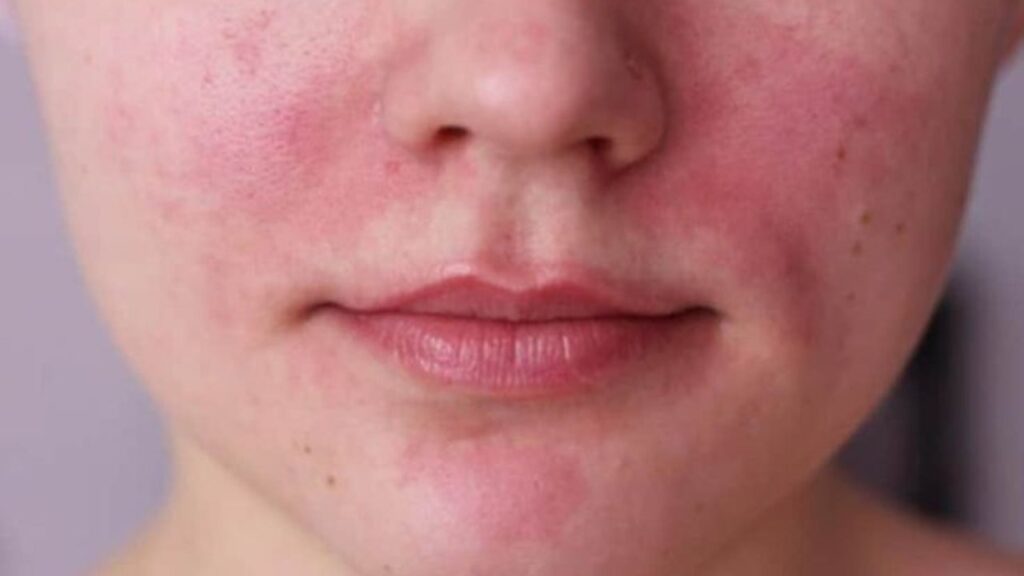
Inflamed skin around nose refers to any irritation, redness, or swelling that develops on the delicate facial tissue surrounding your nasal area. This condition can manifest as dry patches, flaky skin, burning sensations, or visible redness around nose that becomes difficult to conceal.
The skin in this region is particularly vulnerable because it contains more oil glands and experiences constant friction from breathing, blowing, and wiping. Understanding what triggers this facial irritation helps you address the problem effectively.
Common Causes of Nasal Skin Problems
Several factors contribute to inflamed skin around nose, and identifying your specific trigger is crucial for proper treatment.
- Seborrheic dermatitis causes oily, scaly patches and is linked to yeast overgrowth on the skin
- Perioral dermatitis creates small bumps and redness, often triggered by topical steroids or heavy creams
- Contact dermatitis results from allergic reactions to skincare products, fragrances, or environmental irritants
- Rosacea leads to persistent redness and visible blood vessels around the nose
- Eczema produces dry, itchy patches that can crack and bleed
Environmental factors like cold weather, wind exposure, and low humidity also worsen nasal skin problems significantly.
Why Does Inflamed Skin Around Nose Develop?
The Role of Skin Barrier Function
Your skin barrier acts as a protective shield against bacteria, pollutants, and moisture loss. When this barrier becomes compromised, skin inflammation occurs more easily. Frequent nose blowing during allergies or colds strips away natural oils, leaving the area vulnerable.
Sensitive skin types are especially prone to developing irritation because their barrier function is already weaker than average.
Lifestyle and Environmental Triggers
Daily habits significantly impact your skin’s health. Harsh cleansers, over exfoliation, and using products with alcohol or fragrance can trigger inflamed skin around nose. Additionally, stress, poor diet, and inadequate sleep weaken your immune response and skin healing capabilities.
Effective Treatment Options for Facial Redness
Medical Treatments
When home care isn’t enough, consulting a dermatologist becomes essential. They may recommend:
- Prescription antifungal creams for seborrheic dermatitis
- Topical antibiotics for bacterial infections
- Low dose anti inflammatory medications for persistent redness
- Specialized treatments for rosacea or eczema
Never self diagnose or use prescription medications without professional guidance, as incorrect treatment can worsen your condition.
Home Remedies That Actually Work
Many people find relief through gentle, natural approaches. A fragrance free moisturizer applied regularly helps restore the skin barrier. Look for ingredients like hyaluronic acid, ceramides, and niacinamide that soothe and repair damaged tissue.
Aloe vera gel provides cooling relief for inflamed skin around nose while promoting healing. Colloidal oatmeal baths or creams reduce itching and calm irritation effectively.
Prevention Strategies for Long Term Relief
Building a Gentle Skincare Routine
Protecting your skin requires consistency and the right products. Follow these skin care principles:
- Use lukewarm water instead of hot water when washing
- Choose mild, soap free cleansers
- Pat dry gently rather than rubbing
- Apply moisturizer immediately after cleansing
- Wear sunscreen daily to prevent UV damage
Avoid touching your face throughout the day, as this transfers bacteria and oils that worsen facial redness.
Lifestyle Modifications
Simple changes make a significant difference in managing inflamed skin around nose. Stay hydrated by drinking adequate water daily. Use a humidifier during dry winter months to maintain skin moisture levels.
Manage stress through exercise, meditation, or relaxation techniques. Stress hormones trigger inflammatory responses that affect your skin’s appearance and health.
When to Seek Professional Help
While mild irritation often resolves with home care, certain symptoms require medical attention. Visit a healthcare provider if you experience:
- Persistent redness lasting more than two weeks
- Pus filled blisters or open sores
- Severe pain or burning sensations
- Spreading of the affected area
- No improvement despite consistent treatment
A dermatologist can perform tests to identify underlying conditions and create personalized treatment options for your specific situation.
Early intervention prevents complications and speeds recovery, so don’t hesitate to seek help when needed.
Conclusion
Dealing with inflamed skin around nose doesn’t have to be a permanent struggle. By understanding the underlying causes like seborrheic dermatitis, rosacea, or environmental triggers, you can take targeted steps toward healing. A gentle skincare routine, proper moisturizer use, and avoiding harsh products help restore your skin’s natural barrier.
Remember that persistent facial redness or worsening symptoms deserve professional attention from a qualified dermatologist. With patience and consistent care, achieving calm, healthy skin is absolutely possible. Start implementing these strategies today, and you’ll notice significant improvement in your skin’s comfort and appearance over time.