If you’re struggling with eczema back of neck hairline, you’re not alone in this frustrating battle. This uncomfortable condition affects thousands of people, causing persistent itching, redness, and embarrassment. The area where your hair meets your neck creates a warm, often sweaty environment that makes scalp dermatitis thrive. Many sufferers deal with dry patches, flaky skin, and constant irritation that disrupts daily life.
This comprehensive guide will help you understand why this condition develops at your nape area and what triggers those annoying flare-ups. You’ll discover effective treatments, soothing home remedies, and prevention strategies that actually work. Whether you’re experiencing mild itchy skin or severe inflammation, we’ll walk you through everything needed to find lasting relief and restore your confidence.
What Is Eczema at the Back of Neck Hairline?
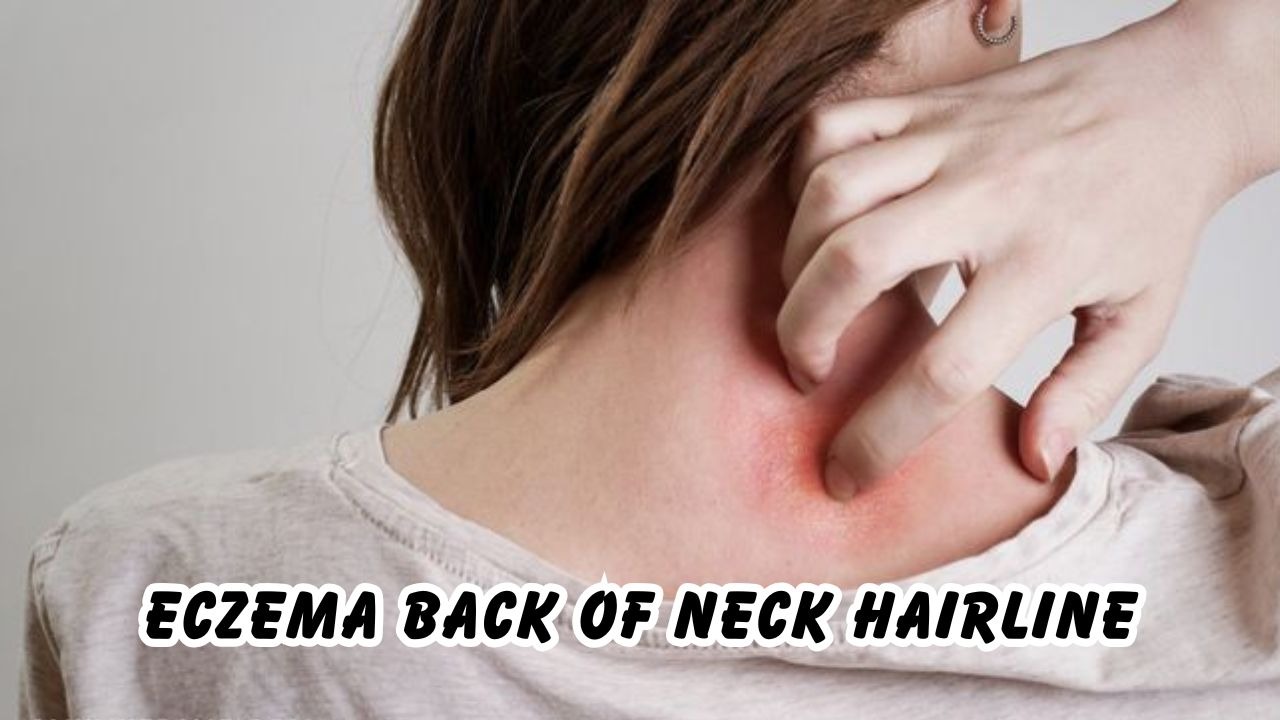
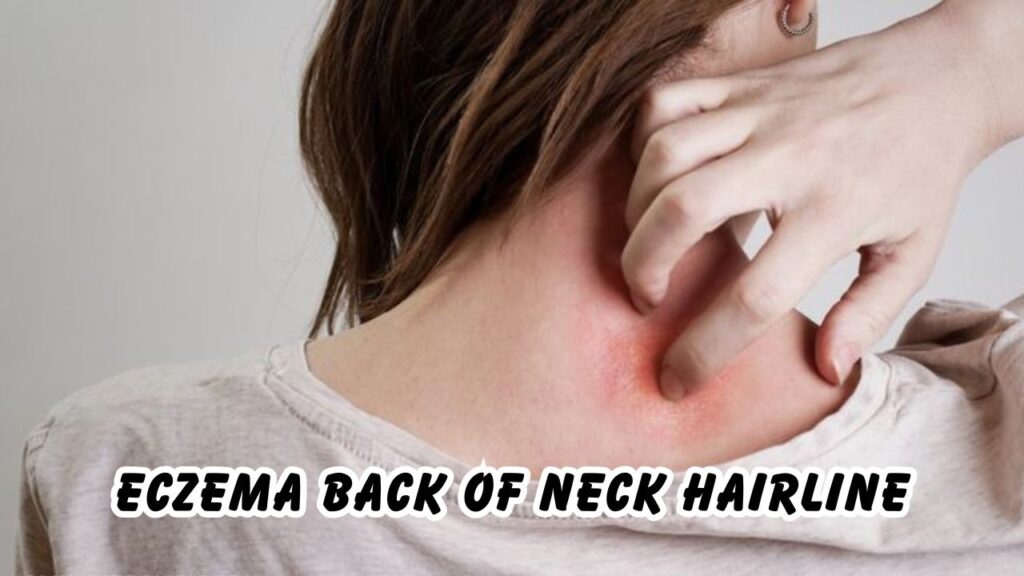
Eczema back of neck hairline refers to a chronic inflammatory skin condition that develops where your scalp meets your neck. This area, commonly called the nape, experiences unique challenges that make it prone to atopic dermatitis and related conditions.
The skin here is delicate yet constantly exposed to friction from clothing, hair products, and sweat. A weakened skin barrier allows irritants to enter more quickly, leading to uncomfortable symptoms.
Common Symptoms to Watch For
People experiencing this condition typically notice several warning signs. The affected area may appear red, scaly, or develop small bumps. Intense itching often becomes the most bothersome symptom, especially at night.
You might also observe:
- Thickened or leathery skin from repeated scratching
- Small blisters that ooze clear fluid
- Crusting and flaking around the hairline area
- Burning or stinging sensations
- Discoloration that appears darker or lighter than surrounding skin
Why Does This Condition Develop?
Understanding the root causes helps you prevent future flare-ups and manage existing symptoms more effectively. Eczema back of neck hairline develops through a combination of genetic, environmental, and lifestyle factors.
Genetic Predisposition
If your family has a history of atopic conditions like asthma, hay fever, or eczema, your risk increases significantly. Research shows that genetic mutations affecting the filaggrin protein can weaken your skin’s protective barrier.
Environmental Triggers
Your surroundings play a crucial role in symptom development. Common environmental factors include:
- Hair care products containing sulfates, fragrances, or alcohol
- Harsh laundry detergents that remain on collars and pillowcases
- Extreme temperature changes and low humidity
- Allergens like dust mites, pet dander, and pollen
- Synthetic fabrics that trap heat and moisture
Lifestyle Factors
Daily habits significantly impact skin inflammation at your nape area. Stress releases cortisol, which disrupts immune function and worsens eczema symptoms. Poor sleep quality, excessive sweating, and inadequate hydration also contribute to dry skin patches.
Effective Treatment Options
Managing eczema back of neck hairline requires a multi-faceted approach combining medical treatments and self-care strategies. Working with a dermatologist ensures you receive personalized recommendations.
Medical Treatments
Healthcare providers typically recommend several options based on severity:
- Topical corticosteroids reduce inflammation quickly during acute flares
- Calcineurin inhibitors offer steroid-free alternatives for sensitive areas
- Antihistamines help control itching and improve sleep quality
- Phototherapy uses controlled UV light for stubborn cases
- Immunosuppressants address severe, widespread symptoms
Natural Remedies and Home Care
Many people find relief through gentle, natural approaches. Moisturizing regularly with fragrance-free creams creates a protective barrier. Colloidal oatmeal baths soothe irritation and reduce redness naturally.
Coconut oil provides antimicrobial benefits while deeply hydrating damaged skin. Aloe vera gel offers cooling relief during intense itching episodes. However, always patch test new products before applying them to affected areas.

Prevention Strategies That Work
Preventing eczema back of neck hairline flares requires consistent effort and awareness. Implementing these strategies reduces symptom frequency and severity.
Daily Skincare Routine
Establish a gentle cleansing and moisturizing routine using hypoallergenic products. Use moisturizer immediately after bathing to seal in maximum moisture. Choose lukewarm water instead of hot, which strips natural oils.
Lifestyle Modifications
Small changes create significant improvements over time. Wear loose, breathable fabrics like cotton that minimize friction. Keep your bedroom cool and use dust mite covers on pillows and mattresses.
Manage stress through meditation, exercise, or therapy. Drink plenty of water daily to keep your skin properly hydrated from within. Track potential triggers in a journal to identify personal patterns.
When to Seek Professional Help
While mild eczema back of neck hairline responds well to home treatment, certain situations require medical attention. Contact a healthcare provider if symptoms spread rapidly, show signs of bacterial infection, or fail to improve after two weeks of treatment.
Severe pain, fever, or pus-filled blisters indicate complications needing immediate evaluation. Don’t hesitate to seek help when your quality of life suffers significantly from persistent skin irritation and discomfort.
Conclusion
Living with eczema back of neck hairline can feel overwhelming, but effective management is absolutely achievable. By understanding your personal triggers, maintaining a consistent skincare routine, and using appropriate treatments, you can significantly reduce flare-ups and discomfort.
Remember that moisturizing regularly and avoiding harsh products protects your delicate skin barrier. Don’t ignore persistent symptoms or signs of infection that require professional attention.
With patience and the right approach, you can control this condition and enjoy clearer, healthier skin. Start implementing these strategies today, and take the first step toward lasting relief from itching and irritation at your nape area.