
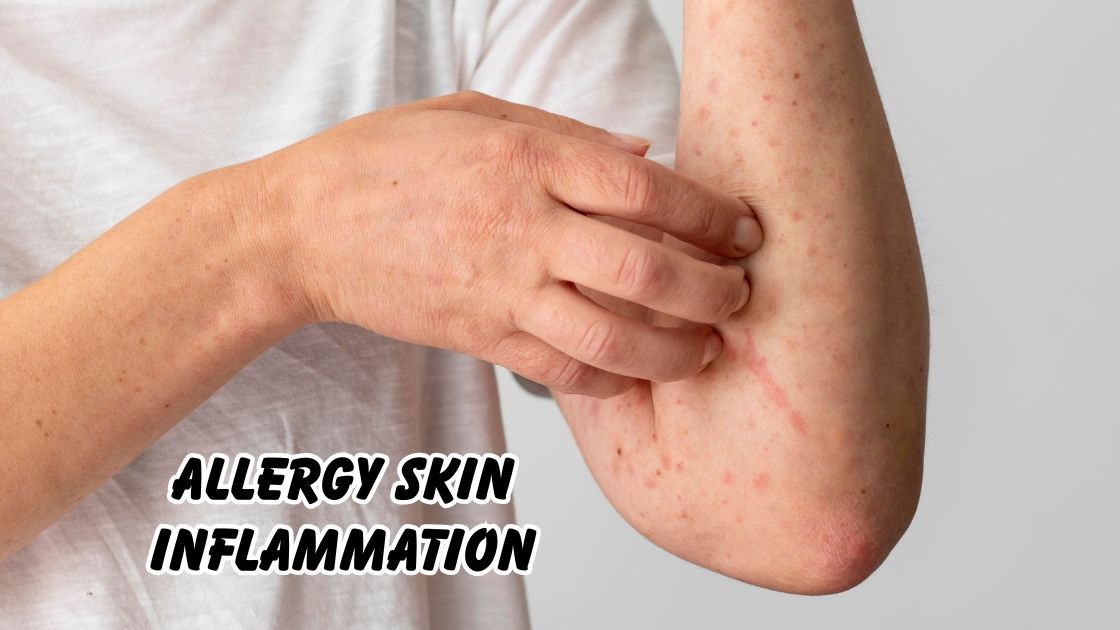
Allergy skin inflammation affects millions of people worldwide, causing discomfort and frustration in daily life. When your immune system overreacts to certain substances, it triggers uncomfortable reactions on your skin that can range from mild redness to severe rashes. This condition manifests in various forms, including eczema, hives, contact dermatitis, and itchy rashes that demand immediate attention.
Understanding why your skin reacts this way is the first step toward finding relief. In this comprehensive guide, you’ll discover the common triggers behind these reactions, recognize early warning signs, and explore proven treatment methods. Whether you’re dealing with occasional flare-ups or chronic symptoms, this article provides practical solutions to help you manage your condition effectively and restore your skin’s health. Let’s dive into everything you need to know about this frustrating yet treatable condition.
What Is Allergy Skin Inflammation?
Allergy skin inflammation occurs when your immune system mistakenly identifies harmless substances as threats. This triggers an inflammatory response that affects your skin’s appearance and comfort level.
Your body releases chemicals like histamine to fight these perceived invaders. The result is visible symptoms that can appear within minutes or develop over several hours.
This condition differs from regular skin irritation because it involves your immune system. Understanding this distinction helps you choose the right treatment approach.
Common Types of Allergic Skin Reactions
Several conditions fall under this category. Each has unique characteristics worth knowing.
Atopic dermatitis creates rough, irritated skin areas that commonly develop during early years. Contact dermatitis develops when your skin touches specific irritants. Hives create raised, red welts that can appear anywhere on your body.
Recognizing which type affects you helps target treatment more effectively.
Primary Causes and Triggers
Understanding what causes allergy skin inflammation empowers you to avoid problematic substances. Multiple factors contribute to these reactions.
Environmental Allergens
Your surroundings contain numerous potential triggers. These include:
- Pollen from trees, grasses, and weeds
- Dust mites living in bedding and carpets
- Pet dander from cats, dogs, and other animals
- Mold spores in damp environments
- Chemical fragrances in cleaning products
Food Related Triggers
Certain foods commonly cause skin rashes and allergic reactions. Nuts, shellfish, eggs, and dairy products top the list of culprits.
Food allergies can produce symptoms ranging from mild itchy skin to severe swelling. Keeping a food diary helps identify patterns between eating habits and flare ups.
Contact Irritants
Direct skin contact with certain materials triggers reactions in sensitive individuals. Nickel in jewelry, latex in gloves, and chemicals in cosmetics frequently cause problems.
Even products labeled as gentle can contain ingredients that provoke skin irritation in some people.
Recognizing the Symptoms
Allergy skin inflammation presents various warning signs. Early recognition allows faster intervention.
Physical Signs to Watch For
- Persistent redness that doesn’t fade quickly
- Raised bumps or welts on skin surface
- Dry, scaly patches that feel rough
- Blistering in severe cases
- Skin thickening from repeated scratching
Sensory Symptoms
Beyond visible changes, you might experience intense itching that worsens at night. Burning sensations and tenderness also commonly occur.
These symptoms often disrupt sleep and daily activities, affecting overall quality of life.
Effective Treatment Approaches
Managing allergy skin inflammation requires a combination of strategies. Both medical treatments and lifestyle changes play important roles.
Medical Interventions
Antihistamines block the chemicals causing your symptoms. Non-prescription medications effectively manage mild symptoms.
Corticosteroids reduce inflammation when applied topically or taken orally for severe reactions. Your doctor might prescribe stronger medications for persistent symptoms.
Immunotherapy offers long term relief by gradually desensitizing your immune system to specific allergens.
Home Care Strategies
Simple daily habits significantly impact symptom management. Use unscented moisturizers right after showering to seal in moisture effectively.
Cool compresses soothe itchy skin and reduce swelling naturally. Wearing loose, breathable fabrics prevents further irritation.
Identifying and avoiding your personal triggers remains the most effective prevention strategy.

Prevention Tips for Long Term Relief
Preventing allergy skin inflammation beats treating it repeatedly. Proactive measures reduce flare up frequency.
Keep indoor humidity between 30 and 50 percent to discourage dust mites and mold growth. Wash bedding weekly in hot water to eliminate accumulated allergens.
Choose hypoallergenic skincare products and patch test new items before full application. Reading ingredient labels becomes essential for avoiding known irritants.
Building Your Skin Barrier
A strong skin barrier resists allergic reactions more effectively. Regular moisturizing, gentle cleansing, and adequate hydration support skin health.
Avoid hot showers that strip natural oils. Lukewarm water preserves your skin’s protective layer while still cleaning effectively.
Working with a dermatologist helps create personalized prevention plans based on your specific sensitivities and lifestyle needs.
Conclusion
Managing allergy skin inflammation doesn’t have to feel overwhelming. By understanding your triggers, recognizing early symptoms, and implementing effective treatment strategies, you can regain control over your skin health.
Remember that prevention plays a crucial role in reducing flare ups. Simple lifestyle changes like using hypoallergenic products, maintaining proper skin hydration, and avoiding known allergens make a significant difference.
If symptoms persist despite home care efforts, consult a dermatologist for personalized guidance. With the right approach and consistent care, you can minimize discomfort and enjoy healthier, calmer skin throughout the year. Your journey toward relief starts with taking that first informed step today.