
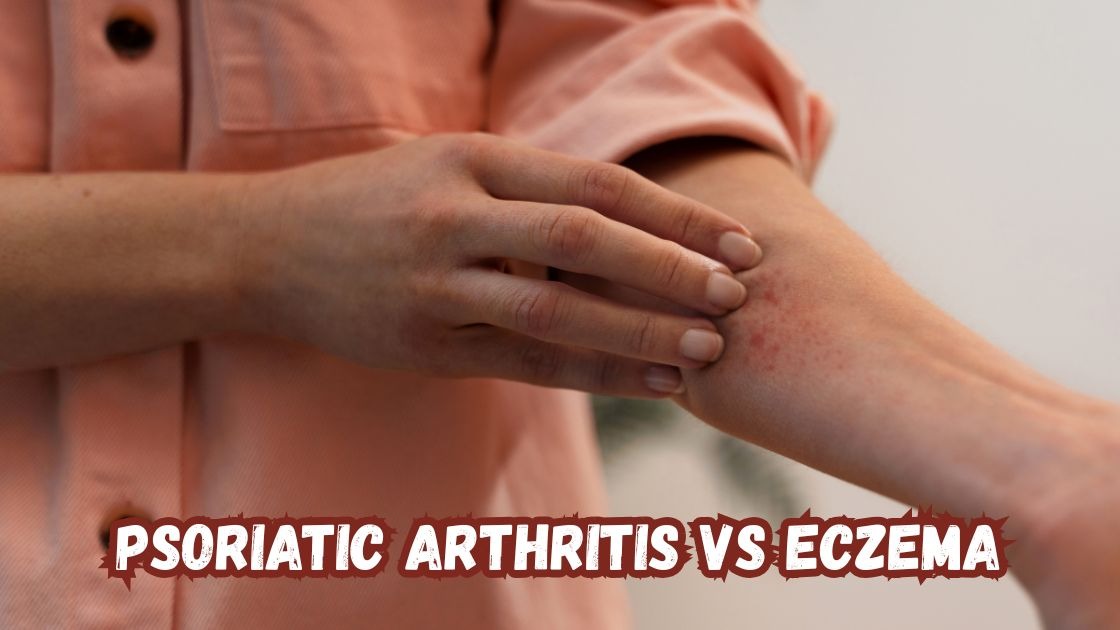
Understanding psoriatic arthritis vs eczema can feel confusing since both conditions affect the skin and cause significant discomfort. While they may share some overlapping symptoms, these are distinctly different inflammatory conditions requiring unique treatment approaches. Psoriatic arthritis combines joint pain and stiffness with skin problems, whereas eczema primarily triggers intense itching and skin inflammation without affecting the joints.
In this comprehensive guide, we’ll explore how these chronic skin conditions differ in their causes, symptoms, and management strategies. Whether you’re experiencing unexplained skin rashes or dealing with swollen joints, knowing which condition you might have is crucial for seeking proper medical care. We’ll also discuss autoimmune responses, diagnosis methods, and effective treatments to help you better manage your health and improve your quality of life.
What Is Psoriatic Arthritis?
Psoriatic arthritis is a chronic autoimmune disease that develops in some people who already have psoriasis. This condition causes the immune system to attack healthy joints and skin cells mistakenly. The result is painful swelling, stiffness, and characteristic skin patches.
Common Symptoms of Psoriatic Arthritis
People with this condition typically experience a combination of joint inflammation and skin problems. Here are the most recognizable signs:
- Swollen fingers and toes that appear sausage shaped
- Morning stiffness lasting more than 30 minutes
- Lower back pain and discomfort
- Nail changes including pitting and separation
- Red, scaly skin patches on elbows, knees, and scalp
The severity varies greatly among individuals. Some experience mild discomfort while others face significant mobility issues that affect daily activities.
What Is Eczema?
Eczema, also known as atopic dermatitis, is an inflammatory skin condition that causes intense itching and irritation. Unlike psoriatic arthritis vs eczema comparisons might suggest, eczema does not involve joint problems whatsoever.
This condition typically begins in childhood and may continue into adulthood. Environmental triggers and genetic factors play significant roles in its development.
Recognizing Eczema Symptoms
Eczema flare-ups present differently than psoriasis related conditions. Watch for these indicators:
- Extremely itchy skin that worsens at night
- Dry, cracked, or scaly patches
- Red or brownish gray areas on skin
- Small raised bumps that may leak fluid
- Thickened skin from repeated scratching
The inner elbows, behind knees, and face are commonly affected areas. Skin barrier dysfunction makes eczema patients more susceptible to irritants and allergens.
Key Differences Between These Conditions
Understanding psoriatic arthritis vs eczema requires examining their fundamental distinctions. While both cause skin inflammation, their underlying mechanisms differ significantly.
Causes and Triggers
Psoriatic arthritis stems from an overactive immune response where the body attacks its own tissues. Genetic predisposition combined with environmental triggers like infections or injuries can activate this condition.
Eczema results from a compromised skin barrier combined with immune dysfunction. Common triggers include:
- Harsh soaps and detergents
- Stress and emotional factors
- Weather changes and dry air
- Certain foods and allergens
- Synthetic fabrics and irritating materials
Age of Onset
Eczema frequently appears during infancy or early childhood. Many children outgrow it by adolescence, though some carry it into adulthood.
Psoriatic arthritis commonly appears in adults during their thirties to fifties. It rarely affects children and usually emerges years after psoriasis first appears.
Joint Involvement
This represents the most critical distinction when comparing psoriatic arthritis vs eczema. Psoriatic arthritis directly attacks joints, causing permanent damage if left untreated. Eczema never involves joint inflammation or deterioration.
Diagnosis and Medical Evaluation
Proper diagnosis requires consultation with appropriate specialists. A dermatologist examines skin symptoms while a rheumatologist evaluates joint concerns.
Diagnostic Tests
For psoriatic arthritis, doctors may order:
- Blood tests to rule out rheumatoid arthritis
- Imaging tests like X rays and MRI scans help evaluate joint deterioration.
- Physical examination of affected joints
Eczema diagnosis typically involves visual examination and patient history review. Allergy testing may help identify specific triggers.

Treatment Approaches
Managing psoriatic arthritis vs eczema requires different therapeutic strategies tailored to each condition’s unique characteristics.
Treating Psoriatic Arthritis
Disease modifying medications help slow joint damage progression. Biological drugs target specific immune pathways responsible for inflammation. Physical therapy maintains joint flexibility and strength.
Managing Eczema Effectively
Moisturizing regularly forms the foundation of eczema care. Topical corticosteroids reduce inflammation during flare-ups. Identifying and avoiding triggers prevents recurrence.
Newer treatments like immunosuppressants and biologics help severe cases unresponsive to traditional therapies.
Living Well With Either Condition
Both conditions require ongoing management and lifestyle adjustments. Stress reduction techniques benefit patients with either diagnosis since emotional tension worsens symptoms.
Regular exercise supports joint health in psoriatic arthritis while gentle skincare routines protect sensitive eczema prone skin. Working closely with healthcare providers ensures optimal symptom control and improved quality of life.
Understanding the differences between psoriatic arthritis vs eczema empowers you to seek appropriate care and make informed treatment decisions.
Conclusion
Distinguishing between psoriatic arthritis vs eczema is essential for receiving proper treatment and managing your chronic condition effectively. While both cause skin inflammation and discomfort, psoriatic arthritis uniquely affects joints and requires more aggressive intervention to prevent permanent damage.
Eczema primarily targets the skin barrier without joint involvement and responds well to moisturizing and trigger avoidance. Recognizing the specific symptoms of each condition helps you communicate better with healthcare providers and pursue appropriate therapies.
If you experience persistent skin problems or unexplained joint pain, consult a specialist promptly. Early diagnosis of psoriatic arthritis vs eczema leads to better outcomes and improved long-term health management.