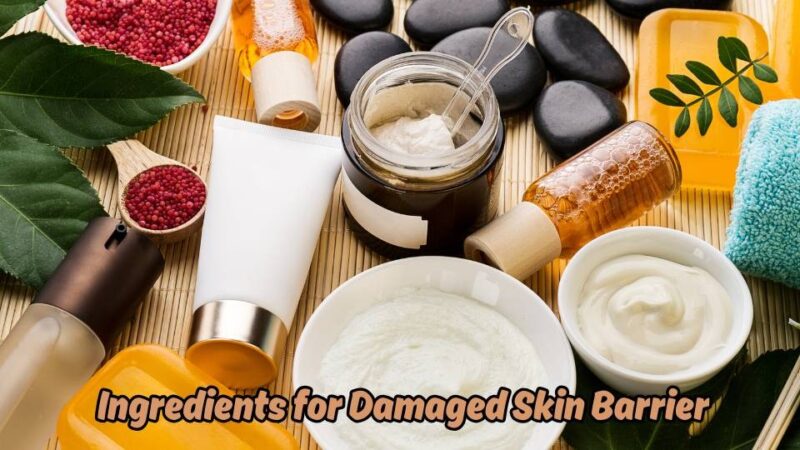

Acne triggering ingredients can secretly sabotage your skincare routine, leaving your skin irritated and prone to breakouts. Understanding what to avoid is key to maintaining a clear complexion.
In this guide, we will explore how to identify acne triggering ingredients in your skincare products, helping you make informed choices when selecting cleansers, moisturizers, or serums. You’ll also learn about common culprits like heavy oils, fragrances, and silicones, which can clog pores or worsen skin inflammation.
By the end of this article, you’ll be able to read labels confidently, spot potential irritants, and choose non-comedogenic products that suit your skin type. Whether you struggle with hormonal acne, sensitive skin, or simply want a healthier skincare routine, this guide provides actionable tips to protect your skin.

Understanding Acne Triggering Ingredients
Acne triggering ingredients are compounds in skincare products that can irritate your skin or clog pores, leading to breakouts. These ingredients are often hidden in labels and can range from heavy oils to certain fragrances and preservatives. Understanding these ingredients is essential for anyone who wants clear skin or struggles with sensitive skin. While skincare products promise nourishment and glow, the wrong formula can worsen hormonal acne, oily skin, or inflammatory acne, making it crucial to know what to avoid. By learning how to identify these ingredients, you take control of your skincare routine and ensure the products you use truly benefit your skin.
Common Types of Acne Triggering Ingredients
Oils and Emollients
Certain oils can be beneficial, but some can be heavy and comedogenic, meaning they block pores. Ingredients like coconut oil, lanolin, and mineral oil are common triggers. While they moisturize, they may also increase skin congestion and contribute to whiteheads and blackheads.
Synthetic Fragrances and Dyes
Synthetic fragrances are often added to make products smell pleasant, but they can irritate sensitive skin and cause redness or itchiness. Artificial dyes can also lead to allergic reactions, worsening existing acne conditions. Choosing fragrance-free or naturally scented products is always a safer option.
Silicones and Heavy Thickeners
Ingredients like dimethicone or cyclopentasiloxane create a smooth texture in creams, but they can trap oil and dirt, leading to clogged pores. While non-comedogenic silicones exist, heavy formulations are more likely to aggravate oily or acne-prone skin.
How to Read Skincare Labels Effectively
Spotting Hidden Triggers
Many acne triggering ingredients are not obvious. Look for words like isopropyl myristate, sodium lauryl sulfate, or butylene glycol, which can irritate the skin or cause breakouts. Checking ingredient lists carefully ensures that you avoid compounds that might worsen inflammatory acne or hormonal breakouts.
Understanding Ingredient Functions
Knowing the role of each ingredient helps you identify which ones are safe or potential triggers. For example, alcohol denat may dry out the skin temporarily but can stimulate excess oil production, contributing to acne flare-ups. Reading product labels with awareness gives you a better chance to maintain a healthy complexion.
Benefits of Avoiding Acne Triggering Ingredients
By eliminating problematic compounds from your routine, you can enjoy several benefits:
•Clearer skin with fewer whiteheads and blackheads
•Reduced skin irritation and redness
•Better absorption of beneficial active ingredients like niacinamide and salicylic acid
•Improved skin texture and tone
Choosing the right products also helps maintain a non-comedogenic skincare routine, which is essential for acne-prone skin and overall skin health.
Common Challenges in Identifying Triggers
Misleading Labels
Skincare marketing can be tricky. Terms like natural or organic don’t always mean the product is free from acne triggering ingredients. Even a “gentle” product may contain heavy oils or synthetic fragrances that cause breakouts.
Individual Sensitivities
Some individuals have hormonal acne, while others experience inflammatory reactions due to sensitive skin. Therefore, patch testing new products and tracking your skin’s response is important.
Overlapping Ingredients
Products often contain multiple emollients, thickeners, and preservatives, making it challenging to pinpoint the exact culprit. Maintaining a simple skincare routine with minimal ingredients can help identify triggers more effectively.

Examples of Common Acne Triggering Ingredients
1.Coconut oil – highly comedogenic for oily skin
2.Lanolin – can clog pores and worsen acne
3.Fragrance – causes irritation in sensitive skin
4.Dimethicone – traps oil and debris if used in heavy creams
5.Isopropyl myristate – commonly found in moisturizers, can lead to breakouts
6.Sodium lauryl sulfate – a harsh surfactant that may strip natural oils, triggering excess oil production
Recognizing these ingredients empowers you to choose non-comedogenic products and avoid unnecessary skin inflammation.
Tips for Maintaining a Safe Skincare Routine
Choose Non-Comedogenic Products
Always look for labels mentioning non-comedogenic, oil-free, or dermatologist-tested. These products are less likely to include acne triggering ingredients and suit oily and acne-prone skin.
Patch Test New Products
Before applying a new product on your face, test a small area to check for redness, itching, or breakouts. This simple step prevents larger skin reactions and protects your sensitive skin.
Simplify Your Routine
Using fewer products reduces the chance of exposure to irritating ingredients. Focus on gentle cleansers, hydrating moisturizers, and targeted active ingredients like salicylic acid or niacinamide for acne management.
Keep a Skincare Diary
Tracking products and skin reactions helps you identify hidden triggers. Note the ingredients, frequency, and results to refine your routine effectively.
Conclusion:
Understanding acne triggering ingredients is essential for maintaining clear skin and a healthy skincare routine. By learning to read labels carefully and avoid common irritants like heavy oils, fragrances, and silicones, you can prevent breakouts and reduce skin inflammation. Focusing on non-comedogenic products and gentle active ingredients such as niacinamide and salicylic acid helps protect your sensitive skin while promoting a balanced complexion. Being aware of these ingredients empowers you to make smarter choices, ensuring your skin stays radiant, healthy, and acne-free.