
Hair shedding can be alarming, especially when seborrheic dermatitis hair fall appears suddenly and keeps recurring. This common scalp condition doesn’t just cause flakes it can quietly weaken hair roots and disrupt healthy growth cycles. Many people struggle to understand why irritation, redness, and oiliness seem connected to increased shedding.
In this article, you’ll learn how scalp inflammation, dandruff vs seborrheic dermatitis, itchy flaky scalp, excess sebum production, and hair thinning causes are closely linked. We’ll break down what triggers the condition, how it affects hair health, and what practical steps can help restore balance. By understanding the root of the problem, you can take informed action toward a calmer scalp and stronger, healthier-looking hair.
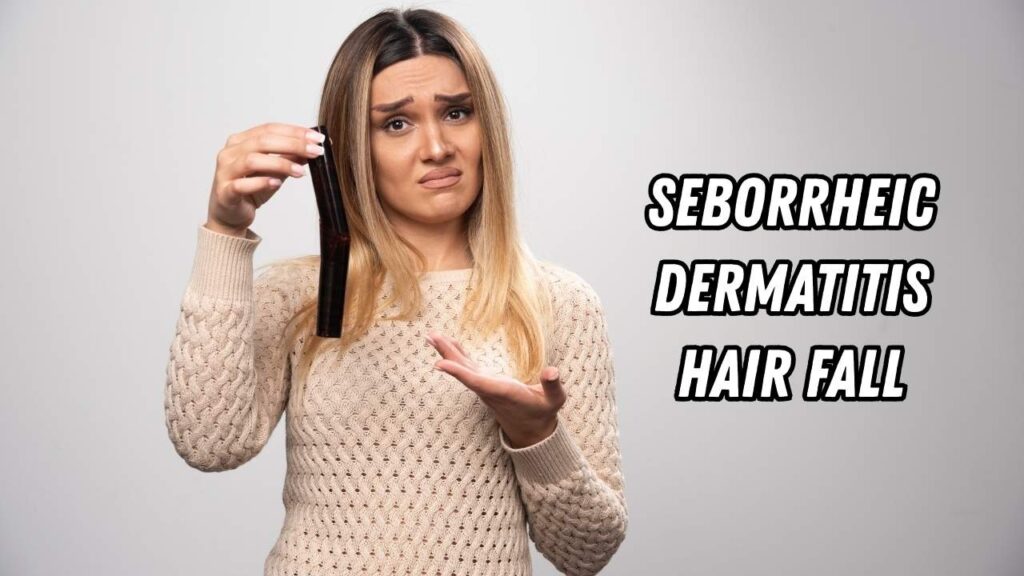
Understanding Seborrheic Dermatitis and Its Link to Hair Shedding
What This Scalp Condition Really Means
Seborrheic dermatitis is a chronic inflammatory disorder that mainly affects oil rich areas of the scalp. When seborrheic dermatitis hair fall develops, it is usually not due to permanent follicle damage but ongoing irritation. The scalp becomes sensitive, flaky, and inflamed, creating an unhealthy environment for strong strands. Excess oil and yeast activity disturb the natural balance, leading to visible flakes and discomfort. Over time, weakened roots may release hair earlier than normal.
A Brief Background and Evolution of Understanding
Historically, this condition was often confused with simple dandruff. As research advanced, experts recognized its inflammatory nature and connection to scalp inflammation and yeast overgrowth. Modern dermatology now views it as a recurring condition influenced by genetics, immune response, and lifestyle factors. Understanding this history helps explain why consistent care matters more than quick fixes.
Why Seborrheic Dermatitis Can Trigger Hair Loss Concerns
The Role of Inflammation in Hair Health
Inflammation disrupts the normal hair growth cycle. Persistent redness and itching interfere with oxygen and nutrient delivery to follicles. In cases of seborrheic dermatitis hair fall, strands may shed excessively during flare ups but often regrow once the scalp calms. This is why managing irritation is more important than focusing on hair alone.
How Oil and Yeast Create Imbalance
The scalp naturally produces oil, but excess sebum production feeds yeast that irritates the skin. This cycle worsens flaking and itching. When scratching becomes frequent, breakage and temporary shedding increase, adding to the appearance of thinning.
Common Signs That Affect the Scalp and Hair
Visible Symptoms You Should Not Ignore
Recognizing early signs helps reduce long term shedding. Typical indicators include oily flakes, redness, and a persistent urge to scratch. These symptoms often overlap with itchy flaky scalp conditions, making self diagnosis tricky.
Hair Related Changes Over Time
While the follicles remain alive, repeated flare ups may cause noticeable shedding. Hair thinning causes linked to scalp stress often reverse once treatment begins, highlighting the importance of timely care.
Why Managing the Condition Is So Important
Impact on Confidence and Daily Comfort
Beyond physical symptoms, recurring flakes and shedding can affect self esteem. Many people feel frustrated when home remedies fail. Addressing seborrheic dermatitis hair fall early reduces emotional stress and prevents unnecessary worry about permanent loss.
Long Term Scalp Health Benefits
Consistent management improves circulation, reduces irritation, and supports healthier growth cycles. A calm scalp sets the foundation for stronger strands and fewer flare ups.
Practical Benefits of Proper Treatment and Care
Scalp Balance and Hair Recovery
When inflammation is controlled, shedding often slows naturally. Treatments that target yeast and oil restore balance and improve comfort. Benefits include
•Reduced redness and flakes
•Improved scalp comfort
•Healthier looking hair growth
Improved Response to Hair Care Products
A balanced scalp absorbs treatments better. Shampoos and serums work more effectively when irritation is minimized, supporting long term results.
Challenges People Commonly Face
Recurring Flare Ups
One major challenge is that symptoms can return. Stress, weather changes, or harsh products may trigger relapse. This makes patience and consistency essential when dealing with seborrheic dermatitis hair fall.
Misdiagnosis and Confusion
Many confuse this condition with simple dryness or psoriasis. Understanding dandruff vs seborrheic dermatitis helps avoid ineffective treatments that worsen irritation.

Real Life Examples and Everyday Triggers
1. Lifestyle Factors That Make It Worse
Daily habits often influence flare ups. Common triggers include
1.Irregular washing routines
2.High stress levels
3.Using heavy or fragranced hair products
2. Recovery With the Right Approach
People who follow gentle routines and targeted treatments often see reduced shedding within weeks. Once the scalp barrier heals, hair growth typically normalizes, reinforcing that this condition is manageable rather than permanent.
Supporting Hair Growth Through Scalp Care
Creating a Healthy Environment for Follicles
A clean, calm scalp encourages regrowth. Focusing on soothing inflammation rather than aggressive treatments protects follicles from unnecessary stress. With the right approach, seborrheic dermatitis hair fall becomes a temporary concern rather than a lasting problem.
Final Perspective on Long Term Management
Education and consistency are key. Understanding triggers, respecting scalp sensitivity, and maintaining balance can significantly reduce symptoms. When managed properly, most people regain confidence, comfort, and healthier looking hair over time.
CONCLUSION
Seborrheic dermatitis can feel overwhelming, but understanding its impact makes management easier. When seborrheic dermatitis hair fall occurs, it is usually temporary and linked to ongoing scalp inflammation rather than permanent damage. By recognizing symptoms early, maintaining proper scalp care, and addressing triggers like excess sebum production and itchy flaky scalp, long-term improvement is achievable.
Consistent routines and informed choices help restore balance, reduce shedding, and support healthier growth. With patience and the right approach, both scalp comfort and hair confidence can gradually return.