Are seborrheic dermatitis and dandruff the same, or are they two scalp problems often confused as one? Many people notice flakes, itching, or redness and assume the cause is simple, but the reality is more complex.
This article breaks down how these conditions differ in causes, symptoms, and severity, helping you understand what your scalp is really dealing with. We’ll explore key signs like scalp inflammation, oily flakes, and persistent itching, along with how fungal overgrowth and skin sensitivity play a role. By the end, you’ll know why proper scalp care matters and how recognizing the right condition can lead to more effective treatment and long-term relief.
Understanding the Core Difference Between These Two Scalp Conditions
Are seborrheic dermatitis and dandruff the same is a question many people ask when flakes and itching appear without warning. Although both affect the scalp, they are not identical. Dandruff is generally a mild condition linked to dry scalp, irritation, or excess oil, while seborrheic dermatitis is a more intense inflammatory disorder. The key difference lies in severity, appearance, and how the skin reacts over time. Understanding this distinction helps people choose the right scalp care approach and avoid treatments that may worsen symptoms instead of improving them.
Definition and Basic Explanation
What Is Dandruff?
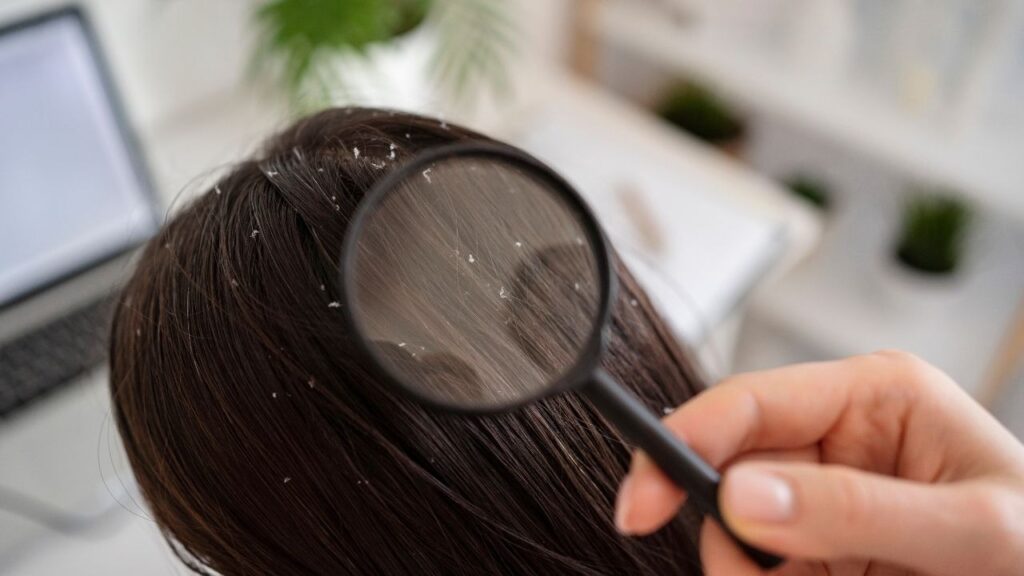
Dandruff is a common scalp issue marked by loose white flakes and mild itching. It usually develops when the scalp sheds skin cells too quickly. Factors such as weather changes, stress, or sensitivity to hair products can trigger it. While flakes may be visible on hair and clothing, redness and pain are usually minimal. Proper cleansing and gentle products often help manage dandruff effectively.
What Is Seborrheic Dermatitis?
Seborrheic dermatitis is a chronic skin condition that affects oil rich areas like the scalp, eyebrows, and sides of the nose. It causes scalp inflammation, redness, and thick oily flakes that stick to the skin. Unlike dandruff, it can flare repeatedly and may require ongoing care. Doctors often link it to Malassezia yeast and immune system reactions.
Key Symptoms Compared
Dandruff often looks dry and powdery, while seborrheic dermatitis appears greasy and irritated. Both may itch, but discomfort is usually stronger in seborrheic dermatitis.
Background and Historical Perspective
How These Conditions Were Identified
Dandruff has been mentioned in medical writings for centuries, often described as simple scalp scaling. Seborrheic dermatitis was later recognized as a distinct condition when doctors noticed inflammation beyond basic flaking. Over time, research connected it with fungal activity and oil production, changing how it is treated today.
Evolution of Treatments
Earlier remedies focused on frequent washing and oils. Modern solutions include medicated shampoos and targeted medical treatment that address inflammation and yeast growth rather than surface flakes alone.
Why Knowing the Difference Matters
Importance for Proper Diagnosis
Misunderstanding these conditions can delay relief. Treating seborrheic dermatitis as ordinary dandruff may reduce flakes briefly but not calm redness or irritation. Knowing whether are seborrheic dermatitis and dandruff the same applies to your symptoms helps guide better decisions.
Impact on Daily Life
Persistent scalp problems affect confidence and comfort. Accurate identification allows people to manage symptoms more effectively and reduce visible flakes, itching, and flare ups.
Benefits of Correct Identification
1. Better Treatment Results
When the right condition is identified, treatments work faster and more consistently. Dandruff often responds well to regular cleansing and antifungal shampoos, while seborrheic dermatitis benefits from products that calm inflammation and control oil.
2. Long Term Scalp Health
Understanding the condition supports healthier habits. People learn how often to wash, which products to avoid, and when to seek professional advice, improving overall skin sensitivity management.
Common Challenges and Misconceptions
Overlapping Symptoms
Both conditions share flakes and itching, which creates confusion. This overlap leads many to assume are seborrheic dermatitis and dandruff the same, even though their underlying causes differ.
Triggers and Flare Ups
Stress, hormonal changes, and climate can worsen symptoms. Seborrheic dermatitis tends to flare repeatedly, while dandruff may come and go depending on lifestyle and environment.
Typical Challenges Include
•Misusing harsh shampoos that increase irritation
•Ignoring redness and treating only visible flakes
•Stopping treatment too early once flakes improve
Real Life Examples and Scenarios
Mild Flaking Case
A person notices white flakes during winter with little itching. Switching to a gentle shampoo reduces the problem, indicating dandruff rather than inflammation.
Chronic Inflammatory Case
Another individual experiences red patches, greasy scales, and itching that spreads beyond the scalp. This pattern suggests seborrheic dermatitis and often needs consistent medical treatment for control.
Practical Signs to Watch For
•Flake texture dry versus greasy
•Presence of redness or swelling
•Response to basic scalp products
Final Understanding
So, are seborrheic dermatitis and dandruff the same in everyday experience? They may look similar at first glance, but their causes, severity, and care needs are different. Recognizing these differences empowers people to choose effective solutions, protect long term scalp health, and reduce frustration caused by recurring symptoms.
Conclusion
Understanding are seborrheic dermatitis and dandruff the same helps clear confusion around common scalp concerns. While both involve flakes and itching, they differ in severity, causes, and long term impact. Dandruff is usually mild and manageable, whereas seborrheic dermatitis often includes scalp inflammation, oily flakes, and recurring flare ups. Recognizing these differences supports better scalp care, timely medical treatment, and improved comfort. When symptoms persist or worsen, identifying the right condition early can protect overall scalp health and prevent unnecessary irritation.