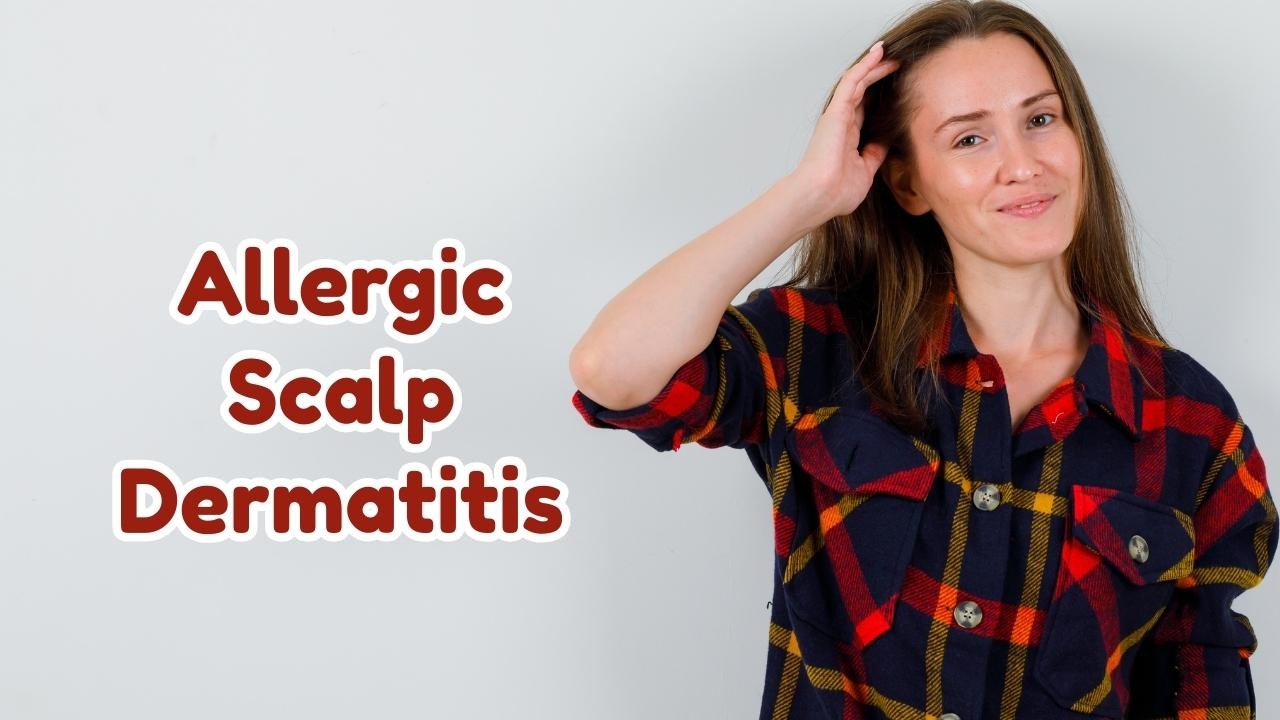
Dealing with persistent itching, redness, or flakes can be frustrating, especially when allergic scalp dermatitis disrupts your daily comfort and confidence. This condition often develops when the scalp reacts to allergens found in hair products, dyes, or environmental triggers, leading to noticeable irritation. Many people confuse it with common dandruff, but the underlying cause and care approach are very different.
In this article, you’ll learn how allergic reactions affect scalp health, what warning signs to watch for, and why identifying triggers is essential for long-term relief. We’ll also explore effective ways to calm inflammation, protect the skin barrier, and prevent future flare-ups. By understanding factors in Allergic scalp dermatitis like scalp irritation, contact dermatitis, itchy scalp, redness and inflammation, and hair product allergies, you’ll be better equipped to make informed choices and restore balance to your scalp naturally and safely.

Understanding Allergic Scalp Dermatitis
What It Means for Scalp Health
Allergic scalp dermatitis is a form of inflammatory skin reaction that occurs when the scalp comes into contact with substances it cannot tolerate. These reactions are not immediate in every case and may develop gradually, making the condition harder to recognize. Unlike dryness or routine dandruff, this issue involves the immune system responding aggressively to specific triggers. Symptoms often overlap with scalp irritation, itchy scalp, and redness and inflammation, which is why proper identification matters. Understanding the nature of this condition helps people move away from trial and error treatments and toward targeted scalp care.
Background and How Awareness Has Evolved
Historically, Allergic scalp dermatitis reactions were often dismissed as hygiene related problems. Over time, dermatological research linked recurring flare ups to contact dermatitis caused by allergens. With increased use of cosmetic formulations, fragrances, and chemical treatments, sensitivity related scalp disorders have become more common. Today, professionals recognize hair product allergies as a significant contributor, highlighting the importance of ingredient awareness and preventive care in modern routines.
Why This Condition Deserves Attention
Impact on Daily Comfort and Confidence
Living with allergic scalp dermatitis goes beyond surface discomfort. Constant itching and visible flakes can interfere with sleep, work focus, and self esteem. Persistent inflammation may weaken the scalp barrier, making it more vulnerable to infections and delayed healing. Addressing the condition early helps reduce long term discomfort and improves overall scalp resilience.
Importance of Early Identification
Early recognition prevents worsening symptoms and unnecessary treatments. Many people use harsh anti dandruff products that aggravate the reaction instead of soothing it. When scalp irritation is addressed at the root level, flare ups become less frequent and easier to manage. Proper identification also reduces the risk of chronic inflammation that can affect hair quality over time.
Common Causes That Triggers Allergic scalp dermatitis
Products and Environmental Factors
The most frequent triggers involve substances applied directly to the scalp. These include preservatives, fragrances, and dyes that can provoke contact dermatitis. Environmental exposure such as pollution or pollen may also worsen sensitivity when combined with an already reactive scalp.
Frequently Reported Triggers
•Hair dyes and bleaching agents
•Scented shampoos and conditioners
•Styling products with alcohol
•Environmental allergens
Individual Sensitivity Differences
Not everyone reacts to the same ingredients. Genetics, existing skin conditions, and stress levels influence how the scalp responds. People with a history of eczema or sensitive skin are more prone to redness and inflammation when exposed to irritants.
Benefits of Proper Management
Healthier Scalp and Hair Growth
Managing allergic scalp dermatitis effectively restores balance to the scalp environment. Reduced inflammation supports healthier follicles and improves hair texture over time. When allergens are eliminated, the scalp can repair its protective barrier naturally.
Improved Quality of Life
Relief from itching and visible irritation leads to better confidence and daily comfort. Consistent care helps individuals enjoy social and professional settings without constant worry. Addressing hair product allergies also simplifies grooming routines by focusing on gentle, supportive formulations.
Challenges in Treatment and Care
Difficulty Identifying the Exact Allergen
One of the biggest challenges is pinpointing the responsible trigger. Many products contain multiple active ingredients, making reactions unpredictable. Patch testing is helpful but not always accessible, leading to prolonged discomfort for some individuals.
Managing Recurring Flare Ups
Even after identifying triggers, flare ups can reappear due to accidental exposure or stress. Maintaining consistency in care routines is essential, especially for those prone to itchy scalp episodes during seasonal changes.
Common Management Obstacles
•Delayed diagnosis
•Overuse of medicated products
•Inconsistent scalp care habits

Practical Examples and Real Life Scenarios
1. Everyday Situations That Trigger Reactions
A person switching to a new shampoo may notice itching within days, assuming it is dryness. In reality, allergic scalp dermatitis may be developing slowly. Another example includes reactions after salon treatments, where chemical exposure leads to sudden scalp irritation and flaking.
2. Long Term Care Success Stories
Individuals who adopt fragrance free products and simplify routines often experience fewer flare ups. By understanding their sensitivity and avoiding known triggers, they maintain calmer scalps and healthier hair. Awareness, patience, and informed choices remain the foundation of effective care for this condition.
Conclusion
Managing allergic scalp dermatitis requires awareness, patience, and the right care approach. Understanding its causes, triggers, and symptoms helps prevent unnecessary irritation and long term discomfort. By identifying hair product allergies, reducing scalp irritation, and addressing redness and inflammation early, individuals can protect their scalp health more effectively. Consistent routines, gentle formulations, and informed choices play a vital role in minimizing flare ups. With proper attention, an itchy scalp can become calmer, healthier, and more manageable, allowing both comfort and confidence to return naturally over time.