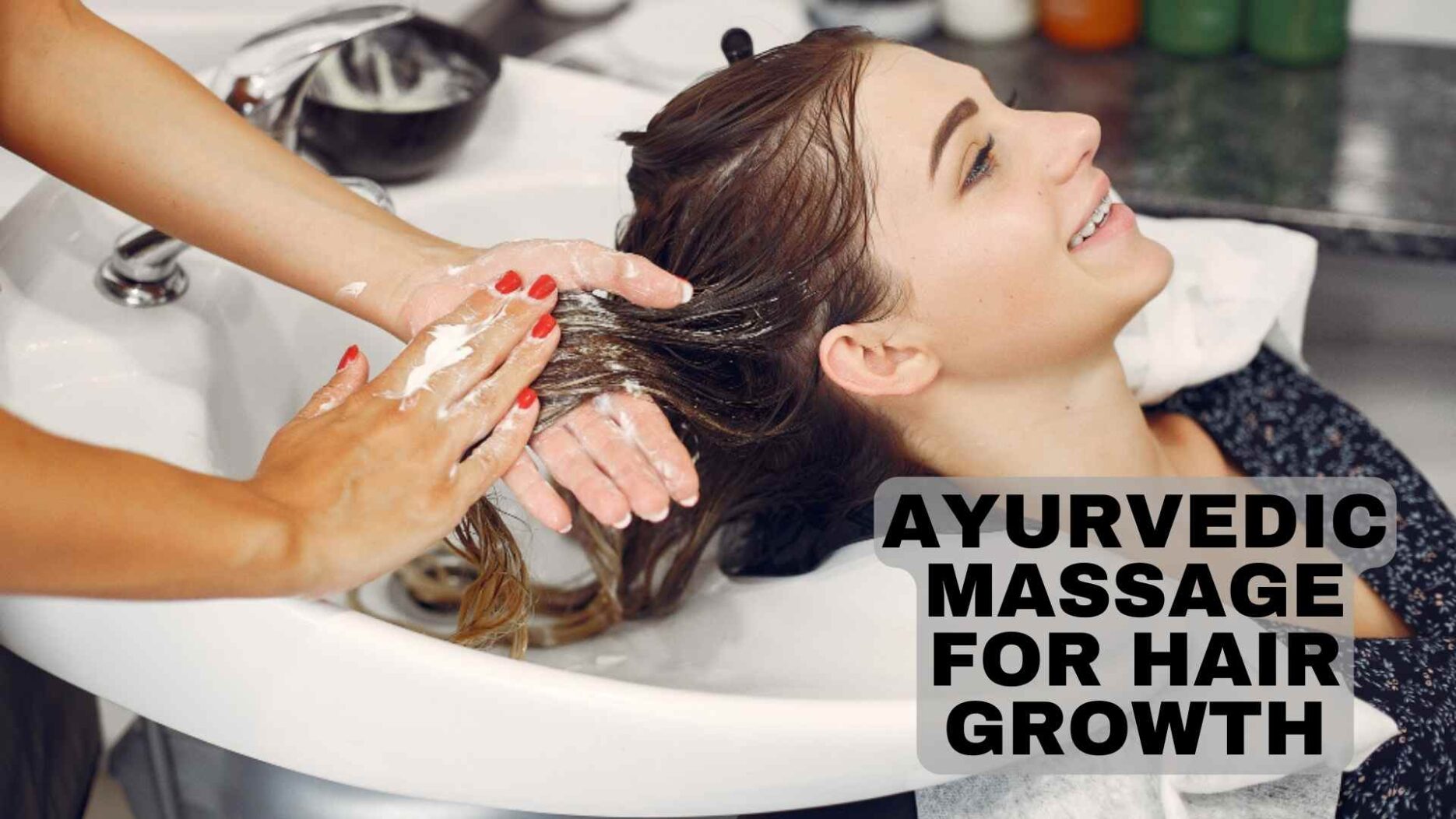
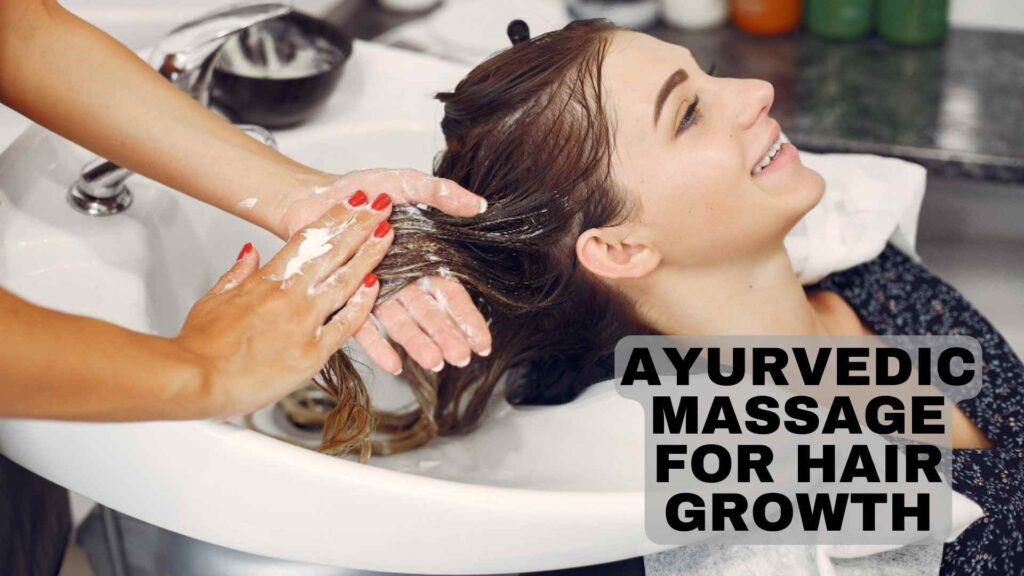
Ayurvedic massage for hair growth works by increasing blood circulation to the scalp, delivering oxygen and nutrients directly to hair follicles, and reducing stress hormones that contribute to hair fall. It is a time-tested practice rooted in over 5,000 years of Indian healing tradition and modern research is now confirming what Ayurvedic practitioners have long observed.
A 2016 study published in ePlasty found that men who performed a standardized four-minute daily scalp massage for 24 weeks experienced a measurable increase in hair thickness. The researchers attributed this directly to the stretching forces applied to dermal papilla cells the cells responsible for regulating the hair growth cycle. A larger 2019 survey published in Dermatology and Therapy reinforced these findings, with many participants who followed a consistent massage routine reporting stabilized hair loss and early signs of regrowth.
Ayurveda takes this a step further by combining scalp massage with potent herbal oils and targeted pressure-point (marma) stimulation. The result is a holistic approach that addresses hair thinning from multiple angles not just surface-level symptoms.
This guide walks you through the specific techniques, oils, and routines that make ayurvedic head massage one of the most effective natural strategies for thicker, stronger hair.
Table of Contents
Why Ayurvedic Scalp Massage Promotes Hair Growth
Ayurvedic scalp massage stimulates hair growth through three key mechanisms: improved blood flow, mechanical activation of follicle cells, and stress reduction. Each of these plays a distinct role in creating a healthier environment for hair to thrive.
Here is how the science breaks down:
- Increased circulation: Massage dilates the small blood vessels beneath the scalp, pushing more oxygen and nutrients toward each follicle. The ePlasty study (2016) demonstrated that this mechanical stretching upregulated hair growth-promoting genes like NOGGIN, BMP4, and SMAD4, while simultaneously downregulating IL6 a gene linked to hair loss and inflammation.
- Follicle cell activation: The stretching forces generated during massage physically stimulate dermal papilla cells, encouraging them to enter and remain in the anagen (active growth) phase longer.
- Stress hormone reduction: Chronic stress triggers telogen effluvium a condition where hair prematurely shifts into the shedding phase. Research indicates that scalp massage lowers cortisol levels and activates the parasympathetic nervous system, counteracting this cycle.
Ayurveda recognized these connections centuries before laboratory instruments could measure them. The ancient text Charaka Samhita states that daily oiling of the head prevents baldness, strengthens the skull bones, and keeps hair well-rooted and dark.
Shiro Abhyanga: The Traditional Ayurvedic Head Massage
Shiro Abhyanga is the classical Ayurvedic oil massage specifically designed for the head, neck, and shoulders. The term comes from Sanskrit “Shiro” meaning head and “Abhyanga” meaning massage with oil.
This therapy typically lasts 15 to 30 minutes and involves warm herbal oil applied with gentle to moderate pressure using fingertips and palms in rhythmic circular motions. Unlike a casual scalp rub, Shiro Abhyanga follows a deliberate sequence targeting specific areas of the scalp, temples, and base of the skull.
The key benefits of Shiro Abhyanga for hair health include:
- Deep nourishment of the scalp and hair roots through warm oil penetration
- Relaxation of the muscles in the head, neck, and shoulders common areas where tension restricts blood flow
- Stimulation of marma points (vital energy centers) that Ayurvedic texts link to hair vitality
- Removal of accumulated dryness and flakiness that can clog follicles
A clinical study conducted at K.V.G. Ayurveda Medical College and Hospital found that Shiro Abhyanga demonstrated therapeutic potential beyond just hair growth including reduction in headaches and stress-related tension. When practiced consistently two to three times per week, it creates a compounding benefit for both scalp health and overall wellbeing.
Best Ayurvedic Oils for Hair Growth Massage
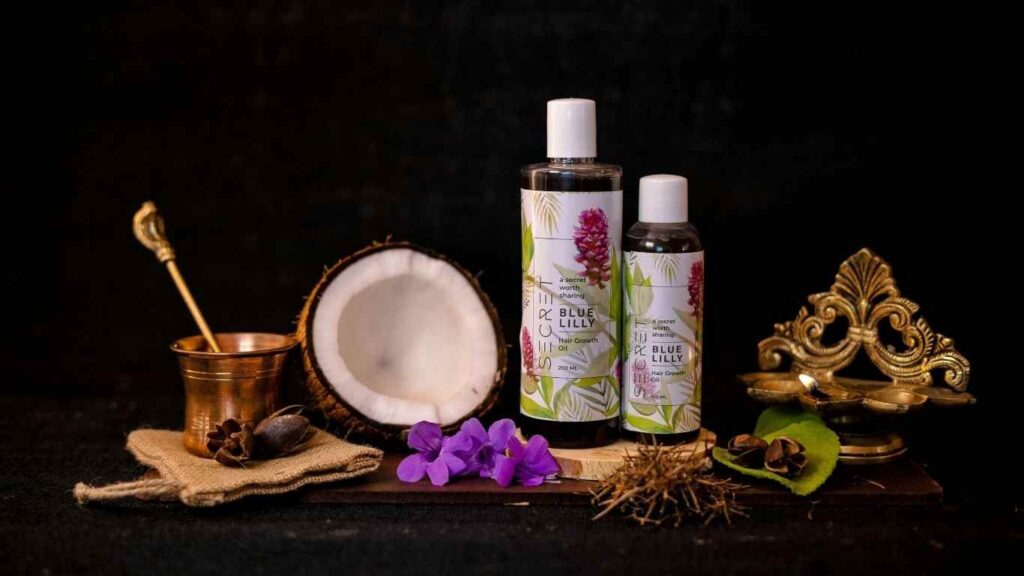
The oil you choose determines how deeply the massage nourishes your follicles. Ayurveda does not treat all oils as interchangeable each herbal formulation targets specific scalp conditions and dosha imbalances.
Here are the most effective ayurvedic oils for hair growth massage:
| Oil | Primary Benefit | Best For |
| Bhringraj (Eclipta Alba) | Stimulates follicle regeneration and extends anagen phase | Thinning hair, hair fall, premature graying |
| Amla (Indian Gooseberry) | Rich in vitamin C; strengthens roots and adds shine | Brittle, weak hair prone to breakage |
| Coconut Oil | Deep moisturizing; antimicrobial scalp protection | Dry, flaky scalp; dandruff-prone hair |
| Brahmi | Calms the nervous system; reduces stress-related shedding | Stress-induced hair loss |
| Neem Oil | Powerful antifungal and antibacterial properties | Scalp infections, severe dandruff |
| Sesame Oil | Warming base oil with excellent scalp absorption | Vata-type dry, frizzy hair |
Among these, Bhringraj stands out with the strongest research support. A 2008 study published in the Archives of Dermatological Research found that Bhringraj extract outperformed 2% minoxidil in promoting hair follicle growth in laboratory conditions. While this study was conducted on animals and human trials are still needed for definitive conclusions, the results are promising and align with centuries of traditional clinical use.
For maximum absorption, Ayurvedic practitioners recommend warming the oil slightly before application. Warm oil opens the pores on the scalp and allows the herbal compounds to penetrate more effectively into the follicle bed.
How Marma Points Stimulate Hair Follicles
Marma points are vital energy centers identified in Ayurvedic texts where muscles, veins, ligaments, and bones converge. Stimulating specific marma points on the head activates prana (life force) flow and directs nourishment toward dormant or weakened hair follicles.
Ayurvedic texts identify 107 marma points throughout the body, with several critical ones located on the scalp and skull. The most important marma points for hair growth include:
- Adhipati Marma: Located at the crown of the head, approximately eight finger-widths above the eyebrows. This point is directly connected to mental clarity and nervous system regulation. Gentle circular pressure here promotes deep relaxation and scalp-wide blood flow.
- Simanta Marma: Found along the joints of the skull bones. Stimulating these points helps release tension stored in the scalp tissue, loosening tightness that restricts circulation to follicles.
- Krikatika Marma: Situated at the junction of the head and neck. Massaging this area relieves tension in the muscles that feed blood supply upward to the scalp.
During an ayurvedic head massage, practitioners apply slow, deliberate pressure to each marma point for 30 to 60 seconds before moving to the next. This targeted approach distinguishes ayurvedic scalp massage from a generic head rub it is designed to unblock energy pathways and restore nutrient delivery to each hair root systematically.
Step-by-Step Ayurvedic Scalp Massage Technique
A proper ayurvedic scalp massage follows a specific sequence warm oil, systematic pressure, and gradual relaxation to maximize follicle stimulation. Here is a beginner-friendly routine you can practice at home:
- Warm your chosen oil (bhringraj, coconut, or sesame) until it is comfortably warm to the touch never hot. Slightly warm oil absorbs faster and opens scalp pores more effectively.
- Part your hair into sections and apply the oil directly onto the scalp using your fingertips or a dropper bottle. Focus on thinning areas first.
- Begin at the crown (Adhipati marma) and use small, firm circular motions with the pads of your fingers. Spend at least 60 seconds here.
- Move outward toward the temples and sides of the head, maintaining the same circular pressure. Cover the entire scalp in overlapping circles.
- Work down to the base of the skull and the nape of the neck, kneading gently to release tension in the muscles that support scalp blood flow.
- Finish with light tapping across the entire scalp using your fingertips. This final step energizes the skin surface and awakens dormant follicles.
- Leave the oil on for a minimum of 30 minutes overnight soaking delivers the deepest penetration and nourishment.
- Wash with a gentle, sulfate-free shampoo using lukewarm water. Avoid hot water, which strips natural oils from the scalp.
The entire massage should take 10 to 15 minutes. Use only the pads of your fingers never your nails and apply moderate pressure. If the massage causes pain, you are pressing too hard.
How frequently should you massage your scalp to see noticeable results?
For noticeable improvement in hair thickness, aim for at least three ayurvedic scalp massages per week over a consistent period of three to six months. Results from scalp massage are gradual, not overnight.
The 2016 ePlasty study used daily four-minute sessions and observed measurable thickness changes at the 24-week mark. The 2019 Dermatology and Therapy survey suggested that participants needed roughly 36 cumulative hours of massage approximately two months of twice-daily sessions before noticing early stabilization of hair loss.
Here is a practical frequency guide:
| Goal | Recommended Frequency | Minimum Duration |
| Maintenance and prevention | 2 times per week | 10 minutes per session |
| Active hair thinning | 3–4 times per week | 15 minutes per session |
| Significant hair loss recovery | Daily | 15–20 minutes per session |
Consistency matters far more than intensity. A gentle ten-minute massage performed regularly will outperform an aggressive thirty-minute session done once a month.
Ayurvedic Massage and Your Dosha Type
Ayurveda teaches that the root cause of hair loss differs based on your dominant dosha Vata, Pitta, or Kapha and your massage oil and technique should match accordingly.
- Vata-type hair loss presents as sudden, heavy shedding with dry, frizzy strands. Use warming sesame oil or almond oil and apply gentle, grounding pressure during massage.
- Pitta-type hair loss shows up as premature graying, scalp inflammation, and thinning at the crown. Cooling oils like coconut or Brahmi work best. Avoid vigorous rubbing that generates excess heat.
- Kapha-type hair loss involves an oily, congested scalp with slow but persistent thinning. Use lighter oils like mustard or neem, and incorporate stimulating tapping movements to energize sluggish follicles.
Identifying your dosha helps you choose the right oil and avoid formulations that could worsen your specific imbalance. If you are unsure about your dosha type, consulting a qualified Ayurvedic practitioner for a personalized assessment is the most reliable path forward.
Conclusion: A Time-Tested Practice Worth Committing To
Ayurvedic massage for hair growth is not a quick fix it is a disciplined, holistic practice that rewards consistency. By combining herbal oil nourishment, targeted marma point stimulation, and dosha-specific care, you address the root causes of hair thinning rather than merely masking symptoms.
The science supports what Ayurveda has taught for millennia. Scalp massage increases hair thickness, activates growth-promoting genes, lowers stress hormones, and creates a healthier environment for follicles to function at their best.
Start with two to three sessions per week using warm bhringraj or coconut oil, follow the step-by-step technique outlined above, and commit to at least three months before evaluating your results. The investment is minimal 15 minutes and a bottle of herbal oil but the compounding benefits to your hair and overall wellbeing are significant.
Have you tried ayurvedic scalp massage? Share your experience in the comments, or pass this guide along to someone struggling with thinning hair.
Frequently Asked Questions
Does ayurvedic head massage really help with hair growth? Yes. Research published in ePlasty (2016) confirmed that regular scalp massage increases hair thickness by mechanically stimulating dermal papilla cells and activating growth-related genes. When combined with nutrient-rich Ayurvedic oils, the effect is enhanced further through direct follicle nourishment.
Which ayurvedic oil is best for hair growth massage? Bhringraj oil is widely regarded as the most effective option. A 2008 study in the Archives of Dermatological Research found that Bhringraj extract outperformed 2% minoxidil in promoting hair follicle activity in preclinical testing. Coconut, amla, and brahmi oils are also highly beneficial depending on your scalp type and dosha.
How long does it take to see results from ayurvedic scalp massage? Most people need three to six months of consistent practice before observing visible changes in hair thickness or reduced shedding. The 2019 survey in Dermatology and Therapy indicated that participants noticed early improvement after approximately 36 cumulative hours of massage effort.
Can I do ayurvedic head massage every day? Daily massage is safe as long as you use gentle pressure and the pads of your fingers rather than your nails. If you are dealing with active hair thinning, daily sessions of 10 to 15 minutes are recommended by many Ayurvedic practitioners for faster results.
What is the difference between Shiro Abhyanga and regular scalp massage? Shiro Abhyanga is a structured Ayurvedic therapy that includes warm herbal oil application and systematic stimulation of marma (energy) points across the head, neck, and shoulders. A regular scalp massage typically lacks the targeted pressure-point work and dosha-specific oil selection that define the Ayurvedic approach.
Should I wash my hair immediately after ayurvedic oil massage? For best results, leave the oil on your scalp for at least 30 minutes overnight application allows even deeper absorption. When you wash, use a mild sulfate-free shampoo with lukewarm water to gently remove excess oil without stripping the scalp of its natural moisture barrier.