
Have you ever noticed greasy scales forming on your scalp or skin and wondered what’s causing them? This frustrating condition affects millions of people worldwide, often leading to discomfort and self-consciousness. These oily, flaky patches typically appear on areas rich in sebaceous glands, including the scalp, face, and chest. Understanding why greasy scales develop is the first step toward finding relief.
In this comprehensive guide, we’ll explore the primary causes behind this condition, from seborrheic dermatitis to fungal infections. You’ll discover recognizable symptoms, effective home remedies, professional treatment options, and preventive measures to keep your skin healthy. Whether you’re dealing with mild flaking or persistent oily skin buildup, this article provides practical solutions to restore your skin’s natural balance and confidence.

Understanding the Causes Behind Greasy Scales
Greasy scales develop when your skin produces excess oil that combines with dead skin cells. This creates a thick, oily layer that sticks to the skin’s surface. Several factors contribute to this condition, and understanding them helps you find the right solution.
Seborrheic Dermatitis
Seborrheic dermatitis stands as the most common cause of greasy scales on the scalp and face. This chronic skin condition triggers inflammation and excessive sebum production. The result is yellowish, oily patches that flake off easily.
Research suggests that a yeast called Malassezia plays a significant role in this condition. This fungus naturally lives on your skin but can overgrow when oil production increases.
Hormonal Imbalances
Hormones significantly impact your sebaceous glands and oil production. During puberty, pregnancy, or hormonal fluctuations, your body may produce more sebum than usual. This excessive oil production creates the perfect environment for greasy scales to form.
Environmental and Lifestyle Factors
Your daily habits and surroundings also influence skin health. Consider these contributing factors:
- Not washing regularly leads to buildup of oil and dead skin cells
- Using harsh products strips natural oils, causing overproduction
- High humidity levels increase sweating and oil secretion
- Stress triggers hormonal responses that boost sebum output
- Poor diet lacking essential nutrients affects skin balance
Recognizing the Symptoms
Identifying greasy scales early helps you seek appropriate treatment. The symptoms vary depending on severity and location.
Common Signs to Watch For
Scalp flaking with an oily texture is the primary indicator. Unlike dry dandruff, these flakes appear yellowish and feel sticky. You might also notice:
- Itchy scalp that worsens with scratching
- Redness and skin inflammation around affected areas
- Oily patches on the eyebrows, nose, and ears
- Crusty buildup along the hairline
- Temporary hair thinning in severe cases
Areas Most Affected
Greasy scales commonly appear on body parts with high concentrations of oil glands. The scalp, face, chest, and back are particularly vulnerable. Skin folds behind the ears and around the nose also frequently develop these oily patches.
Effective Treatment Options
Treating greasy scales requires a combination of proper skin care routine practices and targeted therapies. Here are proven approaches that deliver results.
Medicated Shampoos and Cleansers
Medicated shampoo products containing specific active ingredients work effectively against oily buildup. Look for formulations with:
- Zinc pyrithione to control fungal growth
- Ketoconazole for antifungal treatment
- Salicylic acid to break down scales
- Coal tar to slow skin cell turnover
- Selenium sulfide to reduce inflammation
Use these products two to three times weekly for best results. Allow the product to sit on your scalp for five minutes before rinsing thoroughly.
Natural Remedies Worth Trying
Many people find relief through natural remedies that soothe irritation without harsh chemicals. Tea tree oil possesses natural antifungal properties that combat Malassezia overgrowth. Apple cider vinegar helps restore your scalp’s pH balance when diluted properly.
Coconut oil provides gentle moisturization without clogging pores. Aloe vera gel calms skin inflammation and promotes healing. These options work well for mild cases or as complementary treatments.
Professional Medical Treatments
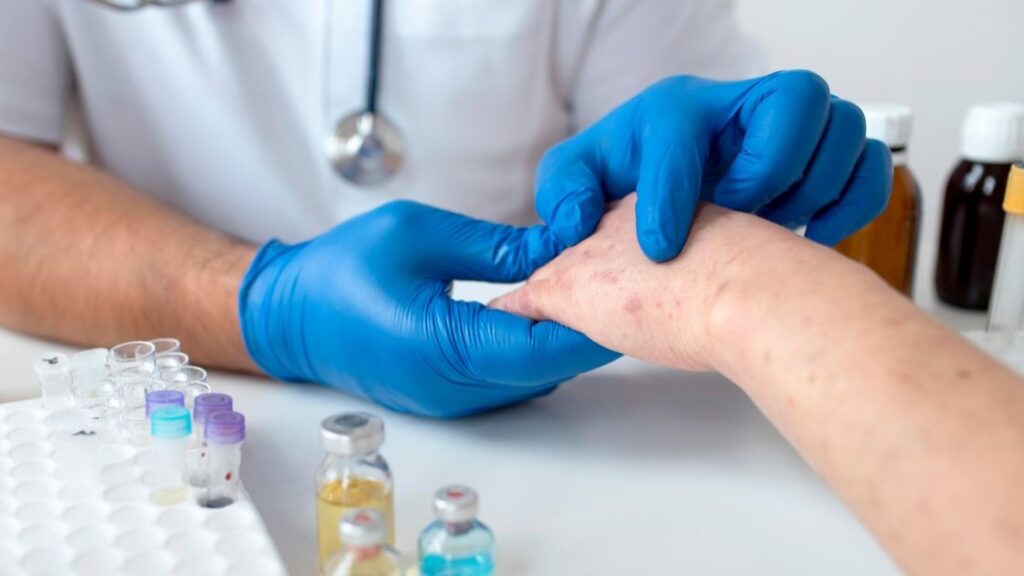
When home treatments fail, dermatologists offer stronger solutions. Prescription strength antifungal treatment creams target stubborn infections effectively. Topical corticosteroids reduce severe inflammation quickly.
Light therapy sessions help some patients manage chronic conditions. Your doctor might also recommend oral medications for widespread or resistant cases of greasy scales.
Prevention Strategies for Long Term Relief
Preventing recurrence requires consistent effort and smart choices. Establish a regular scalp treatment routine that keeps oil levels balanced. Wash your hair frequently enough to prevent buildup but not so often that you strip essential moisture.
Choose gentle, non-comedogenic products for your skin care routine. Reduce stress levels by practicing yoga, deep breathing, or physical activities. Eat a balanced diet rich in omega fatty acids, zinc, and B vitamins to support healthy skin function.
Regular dermatologist visits help monitor your condition and adjust treatments as needed. With proper care and attention, you can successfully manage greasy scales and maintain healthy, comfortable skin.
Conclusion
Dealing with greasy scales doesn’t have to be a lifelong struggle. By understanding the underlying causes like seborrheic dermatitis, hormonal changes, and environmental factors, you can take meaningful steps toward healthier skin. Whether you choose medicated shampoo products, natural remedies, or professional treatments, consistency remains key to lasting results.
Remember that maintaining a proper skin care routine and addressing excessive oil production early prevents future flare-ups. If symptoms persist despite home treatments, consult a dermatologist for personalized guidance. With patience and the right approach, managing greasy scales becomes achievable, restoring both your skin’s health and your confidence.