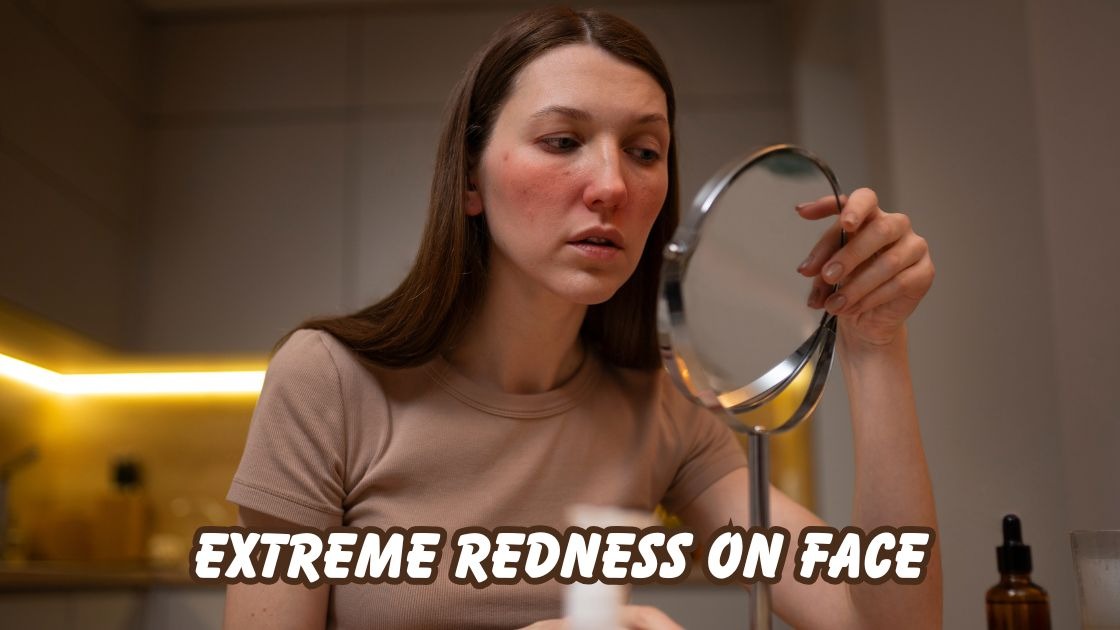
Extreme redness on face can be frustrating and often signals underlying skin concerns that need attention. Whether it appears suddenly or lingers for days, this common condition affects millions of people worldwide. The causes range from simple skin irritation and environmental triggers to chronic conditions like rosacea and allergic reactions.
Understanding why your skin reacts this way is the first step toward finding relief. In this comprehensive guide, you’ll discover the primary causes behind facial flushing, effective treatment options, and practical prevention strategies. We’ll also explore when extreme redness on face requires professional medical attention. By the end, you’ll have actionable solutions to calm your inflamed skin and restore a healthy, even complexion.

What Causes Extreme Redness on Face?
Understanding the root causes of extreme redness on face helps you choose the right treatment approach. This condition occurs when blood vessels near the skin’s surface dilate, bringing more blood flow to the area.
Common Triggers and Conditions
Several factors contribute to facial redness and skin inflammation. Environmental elements, lifestyle choices, and underlying health conditions all play significant roles.
- Rosacea is a chronic skin condition causing persistent redness, visible blood vessels, and sometimes small bumps
- Contact dermatitis develops when your skin reacts to irritants or allergens
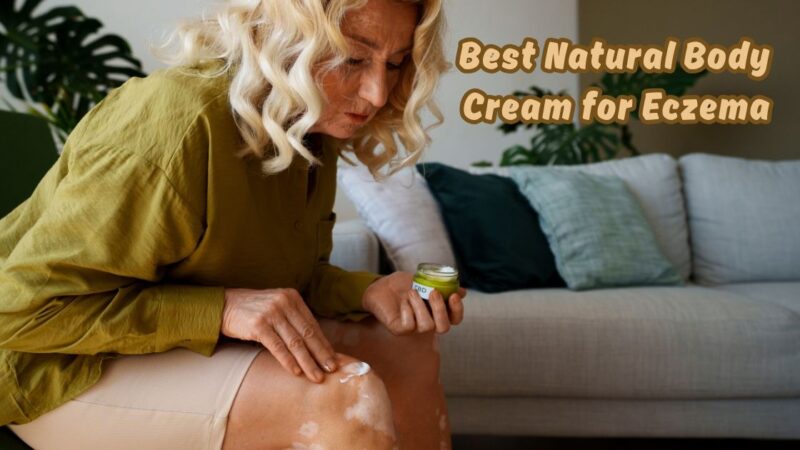
- Eczema creates dry, itchy, and inflamed patches across the face
- Sunburn damages skin cells and triggers intense redness and peeling
- Acne causes localized redness around breakouts and blemishes
Environmental and Lifestyle Factors
Your daily habits significantly impact skin health. Extreme temperatures, harsh winds, and excessive sun exposure can trigger extreme redness on face within minutes.
Spicy foods, alcohol consumption, and hot beverages often cause facial flushing in many individuals. Stress and intense emotions also stimulate blood flow to the face, creating temporary but noticeable redness.
How to Identify Your Specific Condition
Not all red patches on your face indicate the same problem. Learning to recognize patterns helps you seek appropriate treatment.
Signs of Rosacea
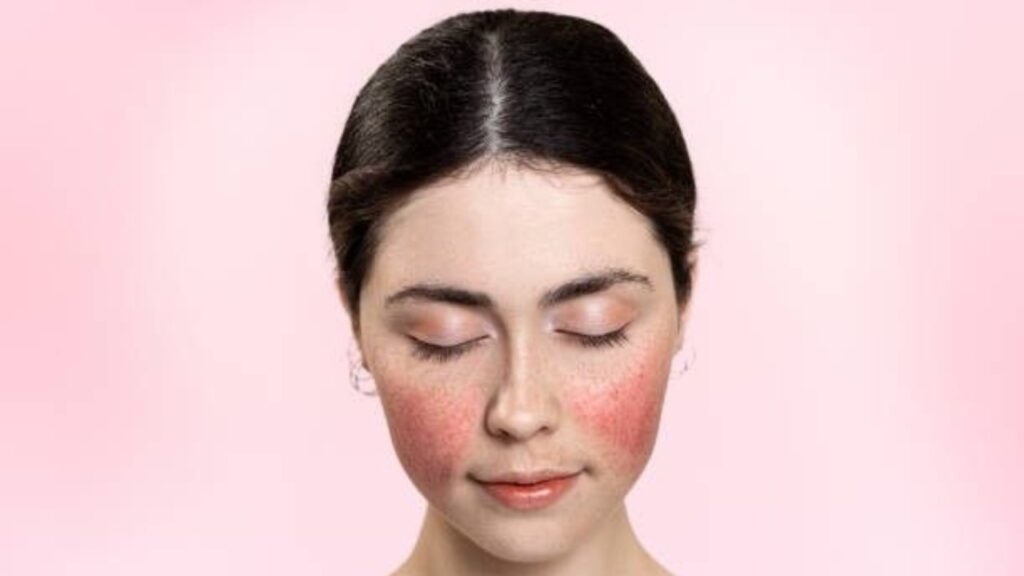
Rosacea typically affects the central face, including cheeks, nose, and forehead. You might notice:
- Persistent redness that doesn’t fade
- Visible spider veins
- Bumps resembling acne
- Burning sensation or stinging
- Eye irritation in some cases
Signs of Allergic Reactions
Allergic reactions often appear suddenly after exposure to specific triggers. The redness usually accompanies itching, swelling, or hives. Common culprits include new skincare products, certain foods, or environmental allergens.
Effective Treatment Options for Facial Redness
Managing extreme redness on face requires a combination of professional treatments and home care strategies.
Medical Treatments
When home remedies aren’t enough, consult a dermatologist for professional solutions.
- Prescription creams containing anti-inflammatory ingredients reduce redness and calm irritation
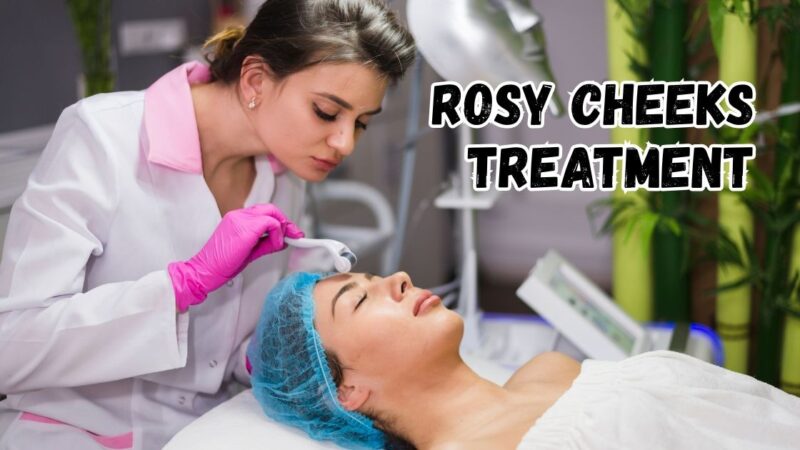
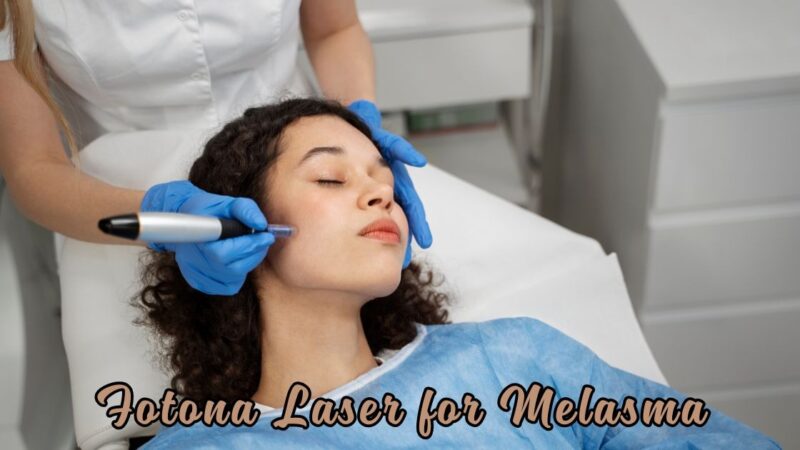
- Laser therapy targets visible blood vessels and improves overall skin tone
- Oral medications help control chronic conditions like severe rosacea
- Light therapy treatments reduce inflammation and promote healing
Home Remedies and Natural Solutions
Gentle, consistent care often provides significant relief for sensitive skin conditions.
Cool compresses applied to the face constrict blood vessels and reduce immediate redness. Aloe vera gel offers natural soothing properties that calm inflamed skin quickly.
Green tea contains antioxidants that fight inflammation when applied topically or consumed regularly. Oatmeal masks provide gentle relief for irritated, red skin.
Building a Skincare Routine for Red Prone Skin
A thoughtful skincare routine prevents flare ups and maintains skin balance.
Choosing the Right Products
Choose mild, unscented skincare formulas specifically created for delicate skin types. Look for ingredients like niacinamide, centella asiatica, and hyaluronic acid.
Stay away from aggressive scrubs, toners with alcohol, and skincare items loaded with synthetic fragrances. These ingredients often worsen extreme redness on face and damage the skin barrier.
Daily Protection Strategies
Sun protection remains essential for preventing redness and protecting vulnerable skin. Use a broad spectrum sunscreen with SPF 30 or above each morning, regardless of weather conditions.
Use a gentle moisturizer twice daily to strengthen your skin barrier. Well hydrated skin resists irritation better than dry, compromised skin.
When to Seek Professional Help
Sometimes extreme redness on face signals conditions requiring medical attention.
Warning Signs
Contact a healthcare provider if you experience:
- Redness accompanied by fever or feeling unwell
- Spreading redness that worsens rapidly
- Severe pain or swelling
- Redness lasting more than two weeks without improvement
- Signs of infection like pus or warmth
Long Term Management
Chronic conditions like rosacea and eczema benefit from ongoing professional care. Regular dermatologist visits help monitor your condition and adjust treatments as needed.
Working with skincare professionals ensures you receive personalized recommendations based on your specific triggers and skin type. This collaborative approach delivers the best long term results for managing persistent facial redness.
Conclusion
Dealing with extreme redness on face doesn’t have to be overwhelming. By identifying your specific triggers and understanding conditions like rosacea, allergic reactions, or skin irritation, you can take control of your skin health.
Remember that building a gentle skincare routine, protecting your skin from sun damage, and choosing products for sensitive skin makes a significant difference. Whether you opt for home remedies or seek professional dermatologist guidance, consistent care leads to improvement.
Don’t ignore persistent extreme redness on face that affects your confidence or daily life. Take action today, and enjoy calmer, healthier looking skin tomorrow.