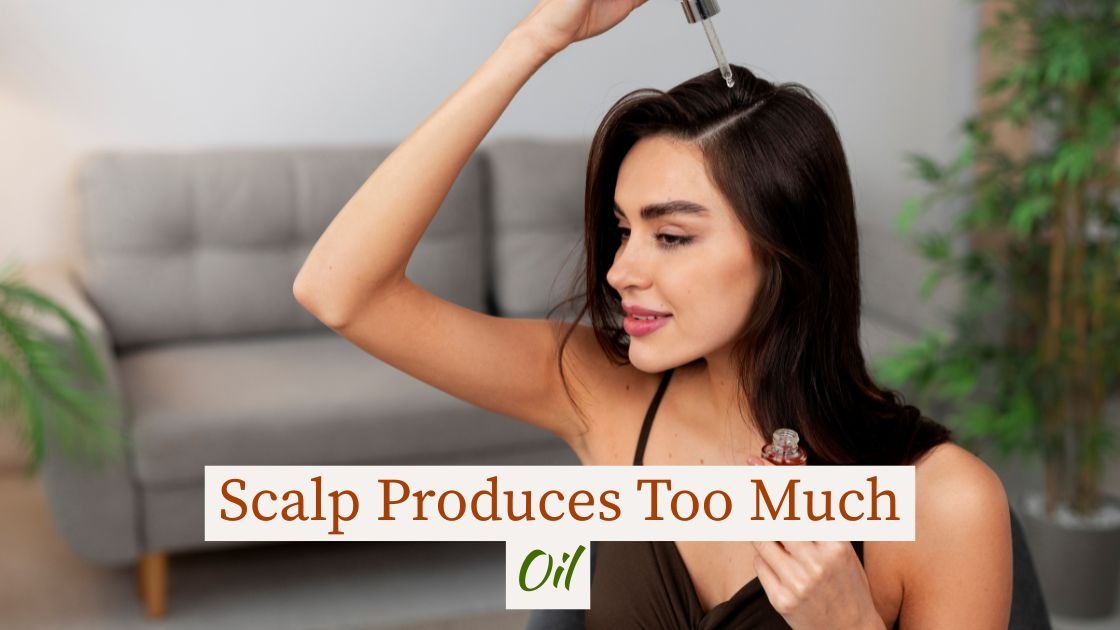
Understanding why your scalp produces too much oil despite maintaining consistent washing routines frustrates millions of individuals battling persistent greasiness that undermines confidence and hair appearance daily. Excessive sebum production affects nearly 40 percent of adults worldwide yet remains widely misunderstood because most people treat visible symptoms rather than addressing the underlying biological triggers driving overactive sebaceous glands. The truth is that greasy hair rarely results from poor hygiene alone.
This comprehensive guide reveals dermatologist explained reasons behind why your scalp produces too much oil alongside clinically proven solutions that deliver lasting results. You will discover essential sebaceous gland regulation methods, explore hormonal scalp imbalance treatments, understand effective oily hair management techniques, and master proven scalp sebum control strategies that board certified dermatologists recommend confidently.
Whether your excessive oiliness appeared suddenly or has persisted throughout your lifetime, learning why your scalp produces too much oil requires understanding complex biological mechanisms involving genetics, hormones, and environmental factors. We have assembled medically verified explanations ensuring your scalp produces too much oil concerns are addressed comprehensively with evidence based solutions that restore balanced healthy hair you genuinely deserve throughout every season.

Understanding the Science Behind Why Your Scalp Produces Too Much Oil
The biological mechanism responsible when your scalp produces too much oil centres on microscopic structures called sebaceous glands embedded within every hair follicle across your entire scalp surface. These tiny glands manufacture an oily substance known as sebum that serves essential protective functions including waterproofing hair strands, preventing moisture loss from scalp skin, and creating an antimicrobial barrier against pathogenic bacteria and fungal organisms.
Under normal conditions, sebaceous glands produce precisely calibrated sebum quantities that maintain healthy scalp hydration without creating visible greasiness. However, when internal or external triggers disrupt this delicate balance, sebaceous gland regulation fails and excessive sebum production floods the scalp surface, coating hair strands with the characteristic oily residue that makes freshly washed hair appear dirty within hours.
Understanding this biological foundation helps individuals recognise that their scalp produces too much oil not because of cleanliness failures but because specific physiological mechanisms have become dysregulated. This knowledge shifts the treatment approach from aggressive washing toward targeted interventions addressing root causes rather than surface symptoms.
Medical Research History Behind Sebum Overproduction
Scientific investigation into excessive sebum production began seriously during the 1950s when dermatological researchers first identified the hormonal pathways controlling sebaceous gland activity. Early studies at leading European medical universities established that androgen hormones, particularly dihydrotestosterone, directly stimulate sebaceous gland enlargement and increased oil output across both scalp and facial skin.
The 1980s brought breakthrough discoveries linking specific genetic variations to inherited predispositions for overactive sebaceous glands. Researchers demonstrated that individuals whose parents experienced persistent scalp oiliness carried measurably larger sebaceous gland structures producing up to three times more sebum than average population baselines. This genetic research fundamentally transformed dermatological understanding of why certain individuals battle lifelong greasiness despite identical hygiene practices to their peers.
Contemporary research continues expanding knowledge through microbiome studies revealing complex interactions between scalp bacteria populations and sebaceous gland regulation pathways that previous generations of scientists never imagined existed.
Primary Reasons Why Your Scalp Produces Too Much Oil
Multiple biological, environmental, and behavioural factors contribute to conditions where your scalp produces too much oil consistently. Dermatologists categorise these triggers into distinct groups that often interact synergistically, meaning several factors frequently compound together to produce more severe oiliness than any single trigger would generate independently.
Hormonal fluctuations represent the most powerful biological driver behind excessive sebum production across all age groups and genders. Puberty, pregnancy, menstrual cycles, polycystic ovarian syndrome, and thyroid disorders all significantly influence androgen levels that directly control sebaceous gland output. Addressing hormonal scalp imbalance through appropriate medical intervention frequently resolves stubborn oiliness that topical treatments alone cannot control.
Paradoxically, overwashing strips protective oils so aggressively that the scalp compensates by dramatically increasing production rates, creating a destructive cycle where more frequent washing actually worsens the original problem. Understanding this counterintuitive mechanism represents the single most important breakthrough in effective oily hair management that dermatologists consistently emphasise to frustrated patients.
Environmental and Lifestyle Contributing Factors
Beyond hormonal influences, several environmental and lifestyle factors significantly impact how much oil your scalp produces too much oil situations create. Humid climates stimulate increased sebaceous gland activity because elevated atmospheric moisture triggers protective oil production responses evolved to waterproof exposed skin and hair against persistent dampness.
Dietary patterns rich in refined carbohydrates, saturated fats, and dairy products have been clinically associated with elevated sebum output through insulin mediated hormonal pathways. Studies published in the Journal of Clinical and Aesthetic Dermatology demonstrated that participants adopting low glycaemic diets experienced measurable reductions in scalp oiliness within six weeks, confirming the significant dietary influence on scalp sebum control.
Clinically Proven Solutions for Effective Sebum Management
Dermatologists treating patients whose scalp produces too much oil employ a structured therapeutic approach progressing from conservative behavioural modifications through targeted topical treatments to medical interventions for severe cases. The following evidence based strategies represent the most effective scalp sebum control methods validated through clinical research and professional practice.
- Reducing washing frequency to every second or third day allows sebaceous gland regulation mechanisms to recalibrate production rates downward naturally, breaking the overwashing compensation cycle that perpetuates excessive sebum production in most patients
- Switching to sulphate free shampoo formulations containing salicylic acid or zinc pyrithione gently controls oil without stripping protective barriers that trigger compensatory overproduction responses undermining long term oily hair management goals
- Applying lightweight oil absorbing scalp toners containing niacinamide between wash days reduces visible greasiness while simultaneously inhibiting sebaceous gland activity at the cellular level through clinically documented vitamin B3 pathways
- Incorporating weekly clay based scalp masks using kaolin or bentonite minerals absorbs excess sebum from follicle openings while delivering mineral nutrients that support healthy scalp sebum control without causing the irritation harsh chemical treatments provoke
- Consulting an endocrinologist for comprehensive hormone panel testing identifies underlying hormonal scalp imbalance conditions including thyroid dysfunction or androgen excess that require medical management beyond what topical treatments alone can address
Prescription Treatment Options for Severe Cases
When conservative approaches fail to adequately manage conditions where the scalp produces too much oil persistently, dermatologists may prescribe pharmaceutical interventions targeting sebaceous gland regulation at hormonal and cellular levels. Oral contraceptives containing anti androgenic progestins effectively reduce sebum production in female patients by suppressing the androgen hormones directly stimulating overactive sebaceous glands.
Topical retinoid preparations applied directly to the scalp reduce sebaceous gland size and output through vitamin A mediated cellular pathways. These prescription strength formulations deliver significantly greater scalp sebum control than over the counter alternatives but require dermatological supervision due to potential irritation and photosensitivity side effects.
Common Mistakes That Worsen Scalp Oiliness Dramatically
Despite good intentions, many individuals unknowingly engage in behaviours that significantly worsen their scalp produces too much oil concerns through counterproductive hair care practices. Understanding these mistakes prevents the frustrating cycle of escalating oiliness that drives many sufferers toward increasingly aggressive treatments that ultimately compound their original problem.
Using hot water during hair washing dramatically stimulates sebaceous gland activity by increasing blood flow to scalp tissue and opening follicle pores that release stored sebum more rapidly. Switching to lukewarm or cool water rinsing provides immediate oily hair management improvement that costs nothing and requires zero additional products.
Product Selection Pitfalls to Avoid
Choosing inappropriate hair care products represents another common obstacle undermining effective scalp sebum control efforts. Heavy silicone based conditioners applied near the scalp create occlusive barriers that trap sebum against the skin surface, mimicking the appearance of excessive sebum production even when actual oil output remains within normal ranges.
Similarly, alcohol based dry shampoos provide temporary cosmetic improvement but frequently irritate scalp tissue when used excessively, triggering inflammatory responses that paradoxically increase sebaceous gland activity and worsen hormonal scalp imbalance over time.
Maintaining Long Term Scalp Oil Balance Successfully
Achieving lasting sebum regulation after your scalp produces too much oil requires establishing consistent care routines that support healthy sebaceous gland regulation indefinitely rather than seeking quick cosmetic fixes that mask symptoms temporarily. Monitoring dietary patterns, managing stress through regular physical activity, and maintaining gentle washing schedules creates the foundational lifestyle framework that sustains balanced oil production.
Scheduling annual dermatological evaluations allows professional monitoring of scalp health and early identification of emerging hormonal scalp imbalance conditions before they escalate into severe oiliness episodes. These preventive consultations enable proactive oily hair management adjustments that maintain the balanced healthy scalp you worked diligently to achieve. Tracking your individual trigger patterns through a simple daily journal identifying washing frequency, dietary choices, stress levels, and observed oiliness provides valuable data that helps both you and your dermatologist refine your personalised excessive sebum production management strategy for optimal results throughout every season ahead.
Conclusion
Regaining control over persistent scalp oiliness becomes entirely achievable when you understand the biological mechanisms driving excessive sebum production and implement the clinically proven solutions explored throughout this guide. We examined how sebaceous gland regulation dysfunction causes your scalp produces too much oil conditions, identified primary triggers including hormonal scalp imbalance and dietary influences, and revealed dermatologist recommended treatments ranging from conservative behavioural modifications to prescription pharmaceutical interventions.
Every strategy presented reflects medically verified practices grounded in decades of published dermatological research and clinical patient outcomes. The essential insight remains clear: effectively managing when your scalp produces too much oil requires addressing root biological causes through targeted scalp sebum control rather than aggressively overwashing which paradoxically worsens the problem.