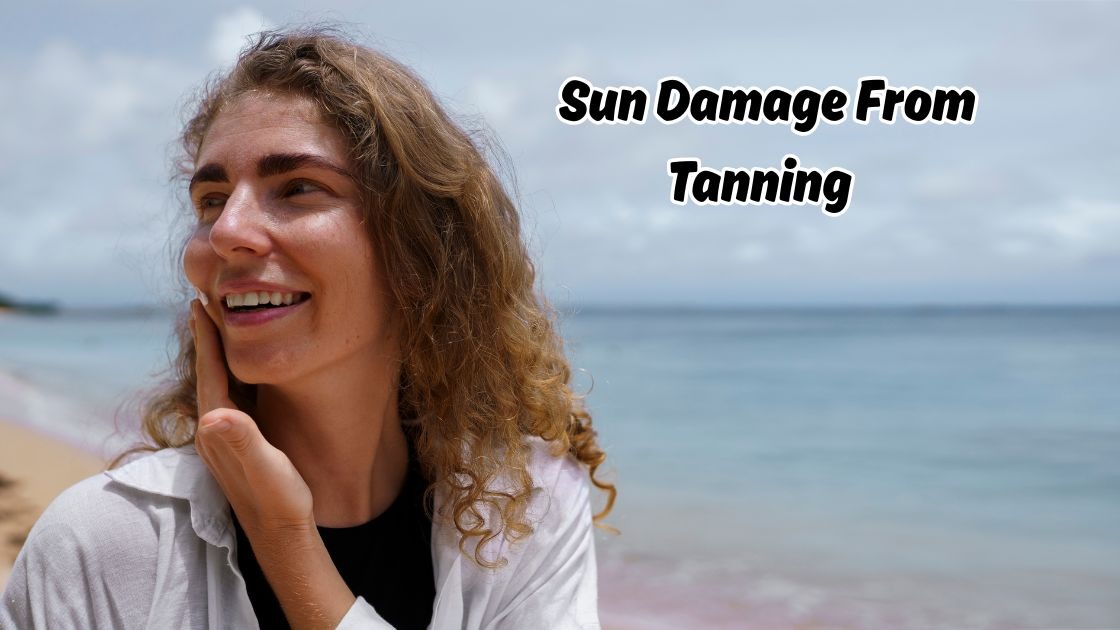
That golden glow might look appealing, but sun damage from tanning poses serious risks to your skin’s health and appearance. Every time you expose your unprotected skin to UV rays, you’re accelerating the aging process and increasing your chances of developing skin cancer. Whether you prefer sunbathing outdoors or using tanning beds, the harmful effects remain the same.
This comprehensive guide explores how tanning damages your skin at a cellular level, the visible signs of premature aging, and effective skin protection strategies. You’ll discover why that bronzed look comes at a steep price and learn practical steps to maintain healthy, radiant skin without the dangerous consequences. Understanding these risks empowers you to make smarter choices for your long-term wellbeing.
Understanding How Tanning Affects Your Skin
Sun damage from tanning occurs when ultraviolet radiation penetrates the skin’s layers, triggering a defensive response. Your body produces melanin as a protective mechanism, which creates that tan color many people desire. However, this process signals that cellular damage has already begun.
The skin consists of multiple layers, and UV exposure affects each one differently. UVA rays penetrate deep into the dermis, breaking down collagen and elastin fibers that keep skin firm and youthful. Meanwhile, UVB rays primarily damage the outer epidermis, causing sunburns and contributing to skin cancer development.
The Science Behind Skin Damage
When ultraviolet light reaches your skin cells, it damages the DNA within them. Your body attempts to repair this damage, but repeated exposure overwhelms these natural repair mechanisms. Over time, accumulated damage leads to mutations that can trigger cancerous cell growth.
Sun damage from tanning doesn’t discriminate based on skin type. While individuals with fair skin burn more quickly, everyone experiences cellular damage regardless of their natural complexion. Even those who tan easily without burning are accumulating harmful effects beneath the surface.
Types of Tanning and Their Risks
Outdoor Sun Exposure
Natural sunlight remains the most common source of sun damage from tanning. Spending extended periods outdoors without proper sun protection accelerates skin aging and increases cancer risks. Peak hours between 10 AM and 4 PM pose the greatest danger due to intensified UV radiation.
Indoor Tanning Beds
Many people believe tanning beds offer a safer alternative, but research proves otherwise. These devices emit concentrated UV radiation that can be significantly stronger than natural sunlight. The World Health Organization classifies tanning beds as carcinogenic, placing them in the same category as tobacco and asbestos.
Spray Tans and Self Tanners
Sunless tanning products provide the safest option for achieving a bronzed appearance. These products contain dihydroxyacetone, which reacts with dead skin cells to create temporary color without UV exposure.
Visible Signs of Sun Damaged Skin
Sun damage from tanning manifests through various visible symptoms that worsen over time. Recognizing these signs early helps you take preventive action before permanent damage occurs.
- Wrinkles and fine lines appearing prematurely around eyes and mouth
- Age spots or dark patches developing on frequently exposed areas
- Rough, leathery skin texture replacing smooth, supple skin
- Hyperpigmentation causing uneven skin tone across face and body
- Visible broken capillaries appearing near the skin’s surface
Long Term Health Consequences
Beyond cosmetic concerns, sun damage from tanning creates serious health risks. Melanoma, the deadliest form of skin cancer, has been directly linked to UV exposure and tanning behavior. Basal cell carcinoma and squamous cell carcinoma also develop more frequently in individuals with extensive tanning histories.

Effective Prevention Strategies
Protecting your skin requires consistent effort and smart choices. Implementing these strategies significantly reduces your risk of sun damage from tanning while still allowing you to enjoy outdoor activities.
Daily Protection Habits
Apply broad spectrum sunscreen with SPF 30 or higher every morning, regardless of weather conditions. Ultraviolet radiation passes through cloudy skies and bounces off reflective surfaces including water, beach sand, and snow. Apply a fresh layer every two hours when spending prolonged time outdoors.
Protective Clothing and Accessories
Physical barriers provide excellent defense against harmful radiation.
- Choose hats with broad brims that provide coverage for your face, ears, and neck area.
- Choose UV protective clothing with tight weaves for maximum coverage
- Use quality sunglasses that block both UVA and UVB rays
- Seek shade during peak sunlight hours whenever possible
- Consider UV protective umbrellas for beach or outdoor events
Treatment Options for Existing Damage
If you already notice signs of sun damage from tanning, various treatments can help restore your skin’s appearance. Retinoids stimulate cell turnover and boost collagen production. Chemical peels remove damaged outer layers, revealing fresher skin beneath. Laser treatments target specific concerns like pigmentation and broken capillaries.
Consulting a dermatologist provides personalized recommendations based on your skin’s condition and needs. Early intervention produces better results and prevents further deterioration.
Conclusion
Sun damage from tanning creates lasting consequences that extend far beyond temporary redness or peeling. The pursuit of a bronzed complexion accelerates premature aging, increases skin cancer risks, and causes irreversible cellular damage. Understanding these dangers empowers you to make informed decisions about UV exposure and prioritize your skin’s health.
By adopting consistent sun protection habits, wearing protective clothing, and choosing sunless tanning alternatives, you can maintain healthy, youthful skin for years to come. Remember, preventing sun damage from tanning today saves you from costly treatments and serious health complications tomorrow. Your skin deserves better protection.