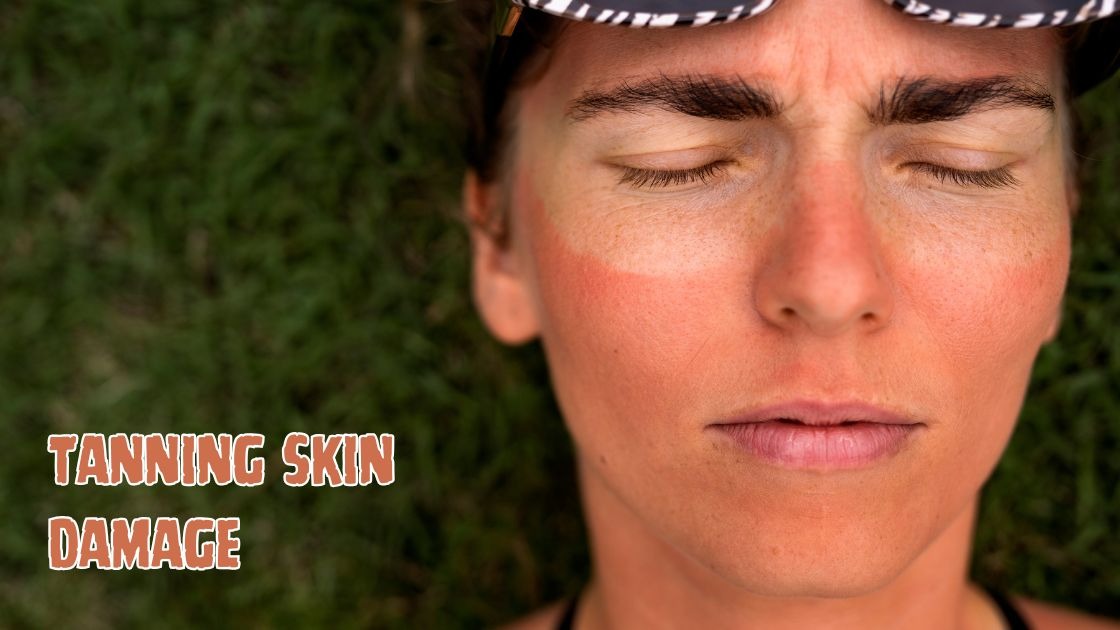
Tanning skin damage is a serious concern that millions of people unknowingly face while seeking the perfect bronze complexion. Whether you bask under the sun or visit indoor tanning beds, the consequences can be far-reaching and long-lasting.
This comprehensive article explores how UV radiation penetrates your skin, causing cellular changes that lead to premature aging, wrinkles, and even skin cancer. You’ll discover the visible and invisible signs of harm, understand the science behind sun exposure risks, and learn effective prevention strategies to protect yourself.
From debunking common myths to offering practical skincare tips, this guide equips you with everything needed to enjoy the outdoors responsibly while keeping your skin healthy and youthful for years to come.
Understanding Tanning Skin Damage
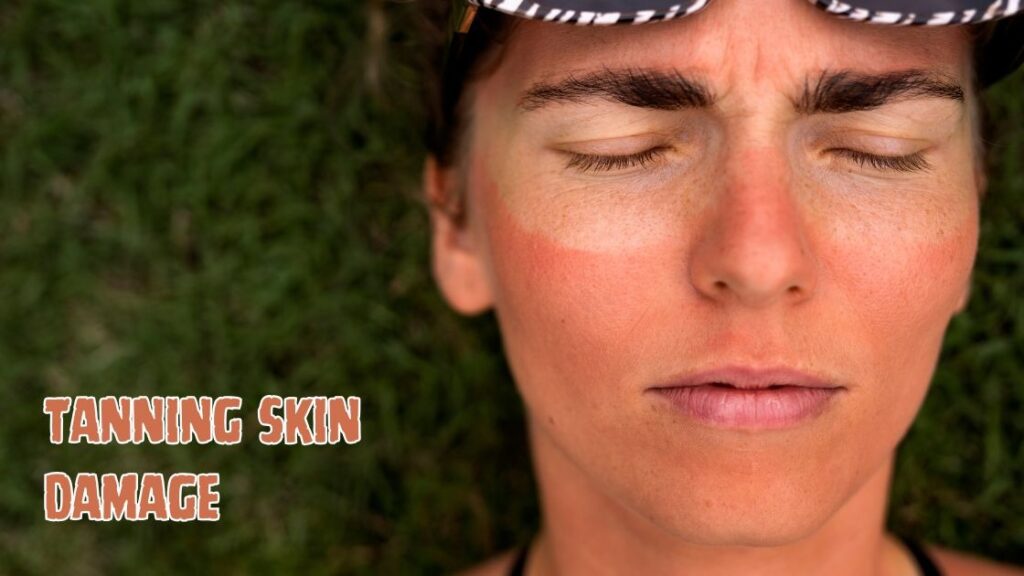
Tanning skin damage refers to the cellular harm caused when your skin is exposed to ultraviolet rays from the sun or artificial sources. Many people mistakenly believe that a tan represents healthy skin, but it actually signals your body’s defense mechanism against radiation injury. When UV rays penetrate the epidermis, they trigger melanin production as a protective response, resulting in that bronze appearance.
The reality is that no tan is safe. Every time your skin darkens, DNA mutations occur within skin cells. These mutations accumulate over time and can lead to serious health consequences, including melanoma and other forms of skin cancer. Understanding this process is the first step toward making informed decisions about sun exposure.
How UV Radiation Affects Your Skin
The sun emits two types of harmful rays that contribute to tanning skin damage. UVA rays penetrate deep into the dermis, breaking down collagen and elastin fibers that keep skin firm and youthful. These rays are responsible for photoaging, causing wrinkles, sagging, and leathery texture over time.
UVB rays primarily affect the outer skin layers and are the main cause of sunburns. Both ray types damage cellular DNA, increasing your risk of developing cancerous growths. Indoor tanning equipment emits concentrated UV radiation, often delivering doses far exceeding natural sunlight exposure.
Types of Skin Damage From Tanning
Acute Damage
Immediate effects of excessive sun exposure include painful sunburns, redness, swelling, and peeling. Severe burns can cause blistering and may require medical attention. Even mild burns indicate significant cellular injury that your body must repair.
Chronic Damage
Long term tanning skin damage manifests gradually through various signs. Premature aging becomes evident as fine lines deepen into wrinkles. Age spots and uneven pigmentation develop across frequently exposed areas. The skin loses its natural elasticity and begins to sag prematurely.
Warning Signs to Watch For
Recognizing early indicators of tanning skin damage helps you seek timely intervention. Pay attention to changes in your skin’s appearance and texture.
- New moles or changes in existing moles including size, shape, or color
- Rough, scaly patches that feel like sandpaper called actinic keratosis
- Ongoing facial redness or visible capillaries beneath the skin surface
- Dark spots or freckles that multiply or darken over time
- Skin that appears thinner, more fragile, or excessively dry
The Science Behind Cellular Harm
When UV radiation strikes skin cells, it creates free radicals that attack healthy tissue. These unstable molecules damage DNA strands, proteins, and cell membranes. While your body possesses repair mechanisms, repeated exposure overwhelms these systems.
Tanning skin damage accumulates throughout your lifetime. The sunburns you experienced as a child contribute to your current skin health. Research shows that just five blistering sunburns before age twenty increases melanoma risk by eighty percent.
Who Faces Higher Risk
Certain individuals are more susceptible to tanning skin damage than others. People with fair skin, light hair, and blue or green eyes burn more easily and face elevated cancer risks. However, everyone regardless of skin tone can experience UV related harm.
Those who work outdoors, live in sunny climates, or have a history of sunbed use require extra vigilance. Individuals taking certain medications, including some antibiotics and birth control pills, may experience increased photosensitivity.
Prevention Strategies That Work
Protecting yourself from tanning skin damage requires a multi layered approach combining several protective measures.
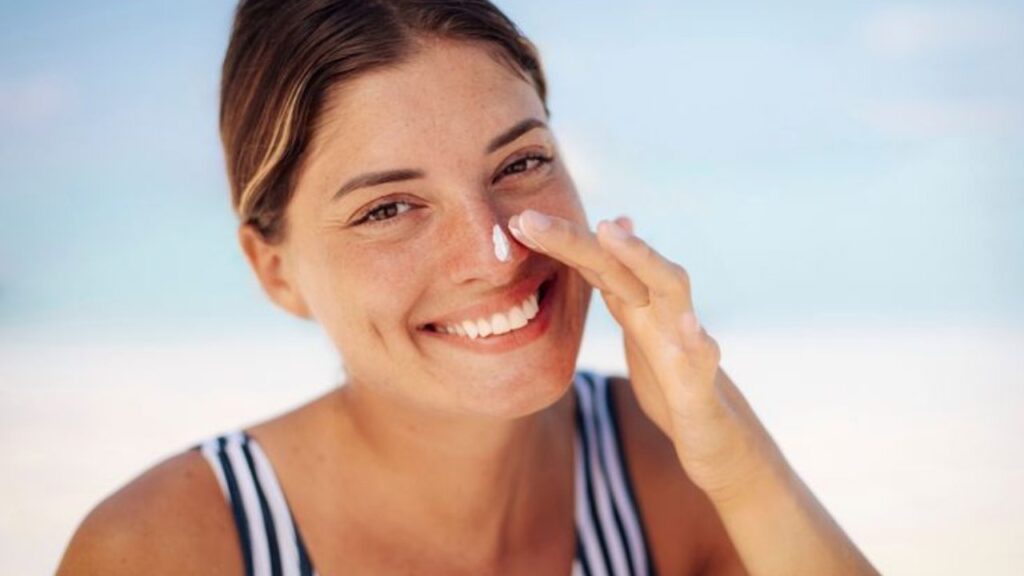
- Apply broad spectrum sunscreen with SPF thirty or higher every two hours
- Choose sun protective apparel such as broad brimmed hats and sunglasses with UV filtering lenses
- Seek shade during peak sun hours between ten in the morning and four in the afternoon
- Avoid tanning beds and sunlamps entirely
- Perform monthly self examinations to monitor skin changes
Treatment Options Available
If you already notice signs of tanning skin damage, various treatments can help. Retinoids stimulate cell turnover and collagen production. Chemical peels and laser therapy address pigmentation issues and texture irregularities. Dermatologists can remove precancerous lesions before they become dangerous. Early intervention offers the best outcomes for maintaining skin health.
Conclusion
Your skin is your body’s largest organ, and protecting it from tanning skin damage should be a lifelong priority. The pursuit of a bronzed complexion simply is not worth the risks of premature aging, wrinkles, and potentially life threatening skin cancer.
By understanding how UV radiation harms your cells and implementing consistent sun protection habits, you can maintain healthy, youthful skin for decades. Keep in mind that avoiding damage is simpler than repairing it later. Skip the tanning beds, embrace your natural complexion, and schedule regular dermatologist checkups. Making smart choices today about tanning skin damage ensures your skin remains beautiful and healthy tomorrow.