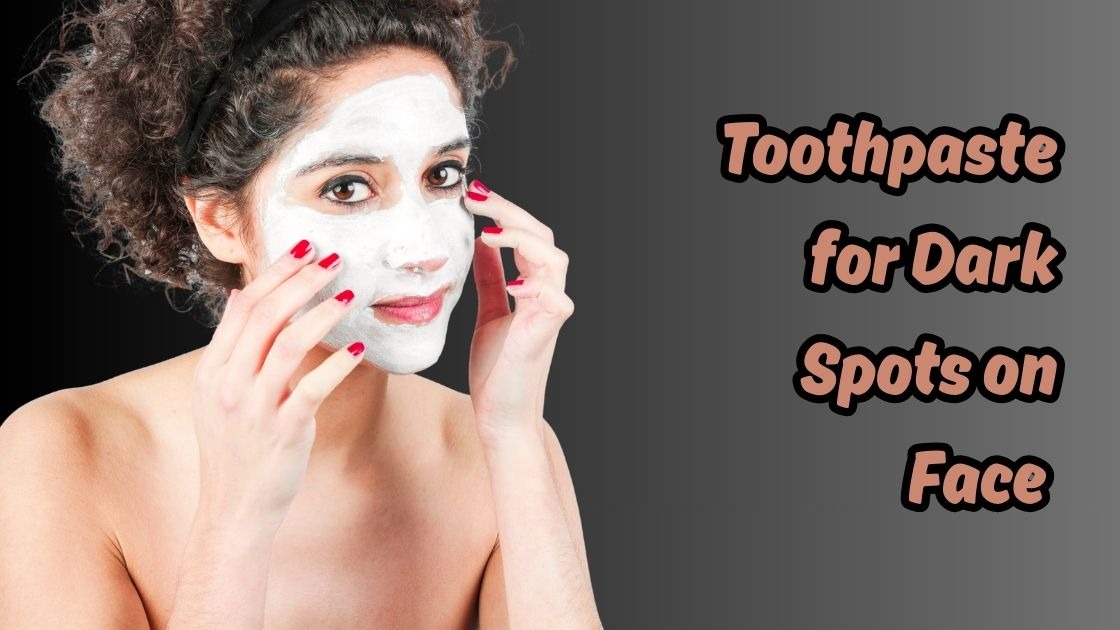
Have you ever wondered if toothpaste for dark spots on face is a legitimate skincare hack or just another internet myth? This popular DIY beauty remedy has been circulating for years, with many claiming it can fade hyperpigmentation and acne scars overnight. But before you raid your bathroom cabinet, it’s essential to understand the science behind this trend.
In this comprehensive guide, we’ll explore whether toothpaste truly helps eliminate skin blemishes or if it causes more harm than good. You’ll discover the ingredients that make people believe in this home remedy, potential risks involved, and safer alternatives for achieving a clear complexion. Let’s separate fact from fiction and find out what dermatologists really think about this controversial skincare practice.
Understanding the Toothpaste Trend for Skin Care
The idea of using toothpaste for dark spots on face originated from the belief that certain ingredients found in dental products could dry out blemishes and lighten discoloration. This skincare hack gained massive popularity through social media platforms, with countless users sharing their experiences. The trend primarily stems from toothpaste containing ingredients like baking soda, hydrogen peroxide, and triclosan, which some believe have skin-lightening properties.
Why People Believe It Works
Many individuals turn to toothpaste for dark spots on face because it’s readily available and inexpensive compared to professional dermatological treatments. The cooling sensation and drying effect make people assume it’s actively working on their skin. Additionally, some toothpaste formulas contain whitening agents that users mistakenly believe can bleach skin discoloration.
How Toothpaste Supposedly Affects Dark Spots
The Science Behind the Claims
When applied to skin, toothpaste creates a drying effect that may temporarily reduce the appearance of pimples and minor blemishes. The menthol and alcohol content can cause a tingling sensation, which many interpret as the product working. However, there is no scientific evidence supporting that toothpaste for dark spots on face provides any real benefits for hyperpigmentation or melanin reduction.
Key Ingredients in Toothpaste
Understanding what’s inside your toothpaste helps explain why this method is problematic for facial skin care.
- Sodium Lauryl Sulfate creates foam but strips natural oils from skin
- Fluoride protects teeth but can cause perioral dermatitis on face
- Hydrogen Peroxide whitens teeth but irritates sensitive facial tissue
- Triclosan fights bacteria but disrupts the skin’s natural barrier
- Artificial fragrances provide fresh scent but trigger allergic reactions
Potential Risks and Side Effects
Why Dermatologists Advise Against It
Using toothpaste for dark spots on face carries significant risks that outweigh any perceived benefits. Board-certified dermatologists unanimously warn against this practice because toothpaste is formulated specifically for dental enamel, not delicate facial skin. The pH level of toothpaste differs drastically from what your skin needs to maintain its protective barrier.
Common Problems You May Experience
Applying toothpaste to your face can result in chemical burns, excessive dryness, and ironically, more dark spots. The harsh ingredients may cause contact dermatitis, leading to redness, peeling, and increased sensitivity. People with sensitive skin types or conditions like rosacea and eczema face even greater risks of adverse reactions.

Safer Alternatives for Treating Dark Spots
Proven Ingredients That Actually Work
Instead of risking damage with toothpaste for dark spots on face, consider these dermatologist-approved ingredients that genuinely address hyperpigmentation.
- Vitamin C serums brighten skin and fade discoloration effectively
- Niacinamide reduces dark spots while strengthening skin barrier
- Retinoids accelerate cell turnover for even skin tone
- Alpha Hydroxy Acids exfoliate dead skin revealing fresh cells
- Kojic Acid naturally inhibits melanin production safely
Professional Treatment Options
For stubborn dark spots and post-inflammatory hyperpigmentation, professional treatments offer superior results. Chemical peels, microdermabrasion, and laser therapy target discoloration at deeper skin levels. Consulting a licensed esthetician or dermatologist ensures you receive personalized recommendations based on your specific skin concerns.
Tips for Preventing Dark Spots
Prevention remains the best strategy for maintaining an even complexion. Daily sunscreen application with at least SPF 30 protects against UV-induced hyperpigmentation. Avoid picking at acne lesions, as this trauma often leads to lasting marks. Incorporating antioxidant-rich products into your routine helps neutralize free radicals that contribute to skin discoloration.
Building an Effective Skincare Routine
Rather than experimenting with toothpaste for dark spots on face, invest in a consistent skincare regimen featuring gentle cleansers, targeted serums, and adequate moisturization. Patience is crucial since most brightening treatments require eight to twelve weeks before showing visible improvement. Remember that healthy, radiant skin comes from proper care, not quick fixes that can potentially cause lasting damage to your skin health.
Conclusion
While toothpaste for dark spots on face might seem like a convenient solution, the risks far outweigh any potential benefits. This popular DIY remedy can cause skin irritation, chemical burns, and worsen hyperpigmentation rather than improve it. Instead of relying on unproven methods, choose dermatologist-recommended treatments like Vitamin C serums, niacinamide, and retinoids for safe and effective results.
Remember, achieving a clear complexion requires patience and proper skincare products designed for facial use. Protect your skin with daily sunscreen and consult a skincare professional if dark spots persist. Your skin deserves better than toothpaste for dark spots on face.