Discovering a rosacea natural cure diet can be life-changing for millions struggling with persistent facial redness and irritation. If you’ve tried countless creams and treatments without lasting results, the answer might be sitting on your plate. This comprehensive guide explores how specific dietary changes can dramatically reduce skin inflammation and calm frustrating flare-ups from within.
You’ll learn which anti-inflammatory foods support healing, what rosacea triggers to avoid, and how improving your gut health connects directly to clearer skin. Whether you’re newly diagnosed or have battled symptoms for years, understanding the powerful relationship between nutrition and your complexion offers hope beyond topical solutions. Let’s explore how eating strategically can become your most effective weapon against this challenging condition.
Understanding the Connection Between Diet and Rosacea
Living with rosacea means dealing with unpredictable facial redness, visible blood vessels, and uncomfortable flare-ups. While conventional treatments focus on external solutions, a rosacea natural cure diet addresses the root causes happening inside your body.
Research increasingly shows that what you eat directly impacts skin inflammation. Your digestive system and skin share a fascinating connection through the gut-skin axis. When your gut becomes imbalanced, inflammatory signals travel throughout your body, often appearing as visible skin problems.
How Food Affects Your Skin Condition
Every meal you consume either promotes healing or triggers inflammation. Certain foods cause your body to release histamines and other compounds that dilate blood vessels and worsen symptoms. Understanding this relationship empowers you to make choices that support clearer, calmer skin.
Best Foods for a Rosacea Natural Cure Diet
Building an effective rosacea natural cure diet starts with incorporating anti-inflammatory foods that reduce internal inflammation and strengthen your skin barrier.
Omega-3 Rich Options
Omega-3 fatty acids are powerful inflammation fighters. Include these healing foods regularly:
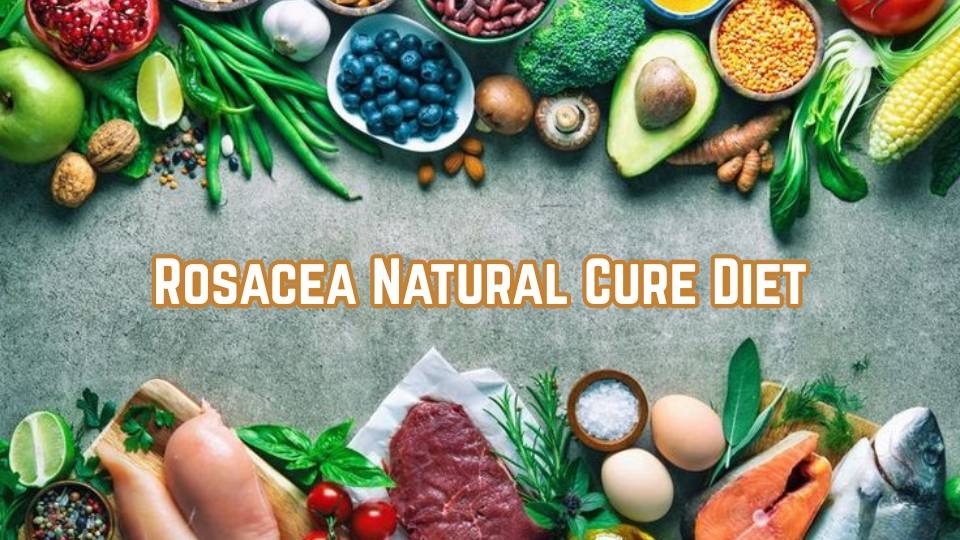
- Wild-caught salmon and sardines
- Flaxseeds and chia seeds
- Walnuts and hemp hearts
- Mackerel and anchovies
These healthy fats calm your body’s inflammatory response while supporting overall skin health from the cellular level.
Colorful Vegetables and Fruits
Antioxidant-rich produce protects your skin against oxidative stress.Prioritize nutrient-dense greens such as spinach, kale, and Swiss chard in your meals. Berries provide excellent antioxidants without triggering most sensitivities. Cucumbers and celery offer hydrating benefits that support supple, resilient skin.
Gut-Healing Probiotics
Improving your gut health is essential when following a rosacea natural cure diet. Probiotic foods restore beneficial bacteria that reduce systemic inflammation:
- Plain yogurt with live cultures
- Kefir and fermented vegetables
- Kombucha and miso
- Sauerkraut and kimchi
A balanced microbiome communicates with your skin, helping regulate immune responses and reduce visible symptoms.
Foods to Avoid for Better Results
Understanding rosacea triggers is equally important as knowing what to eat. Many common foods cause immediate or delayed flare-ups in sensitive individuals.
Common Dietary Triggers
Spicy foods rank among the most reported triggers. Capsaicin causes blood vessel dilation, leading to increased redness and flushing. Hot beverages, regardless of ingredients, can produce similar effects due to temperature rather than content.
Alcohol consumption significantly impacts rosacea symptoms. Red wine contains histamines that worsen facial flushing. Even moderate drinking can trigger noticeable reactions lasting hours or days.
Other problematic foods include:
- Processed and refined sugars
- Dairy products for some individuals
- Citrus fruits and tomatoes
- Foods containing histamines
Identifying Your Personal Triggers
Everyone responds differently to various foods. Keeping a detailed food diary helps identify your specific sensitivities. Track everything you consume alongside symptom severity for at least two weeks. Patterns will emerge showing which foods worsen your condition.
Implementing Your Rosacea Natural Cure Diet Successfully
Transitioning to a rosacea natural cure diet requires patience and consistency. Dramatic overnight changes rarely produce sustainable results.
Start With Elimination
Begin by removing the most common triggers for three weeks. Slowly add back individual foods while carefully tracking how your skin responds. This systematic approach reveals exactly which items affect your skin.
Embrace the Mediterranean Approach
The Mediterranean diet naturally aligns with anti-inflammatory eating principles. Its emphasis on olive oil, fish, vegetables, and whole grains provides excellent nutrition while minimizing inflammatory compounds. Many people following this dietary approach report significant symptom improvement.

Challenges and Realistic Expectations
Adopting dietary changes for rosacea management comes with obstacles. Social situations involving food and drinks require planning. Initial adjustment periods may feel restrictive before new habits become automatic.
Results typically appear gradually over several weeks. Some individuals notice improvements within days, while others require months of consistent eating before seeing dramatic changes. Combining your rosacea natural cure diet with proper skincare, stress management, and adequate sleep maximizes benefits.
Working With Healthcare Providers
Discuss dietary approaches with your dermatologist or nutritionist. They can monitor your progress and ensure you’re meeting nutritional needs while eliminating trigger foods. Professional guidance helps create sustainable plans tailored to your specific situation and symptom patterns.
Conclusion
Embracing a rosacea natural cure diet offers a powerful path toward clearer, calmer skin without relying solely on medications. By incorporating anti-inflammatory foods, healing your gut health, and avoiding personal triggers, you take control of your symptoms from the inside out.
Remember that consistency matters more than perfection. Small dietary changes compound over time, leading to noticeable improvements in facial redness and flare-up frequency. Combined with proper skincare routines and stress management, nutritional adjustments become your foundation for long-term relief.
Start today by identifying one trigger to eliminate and one healing food to add. Your skin will thank you.