
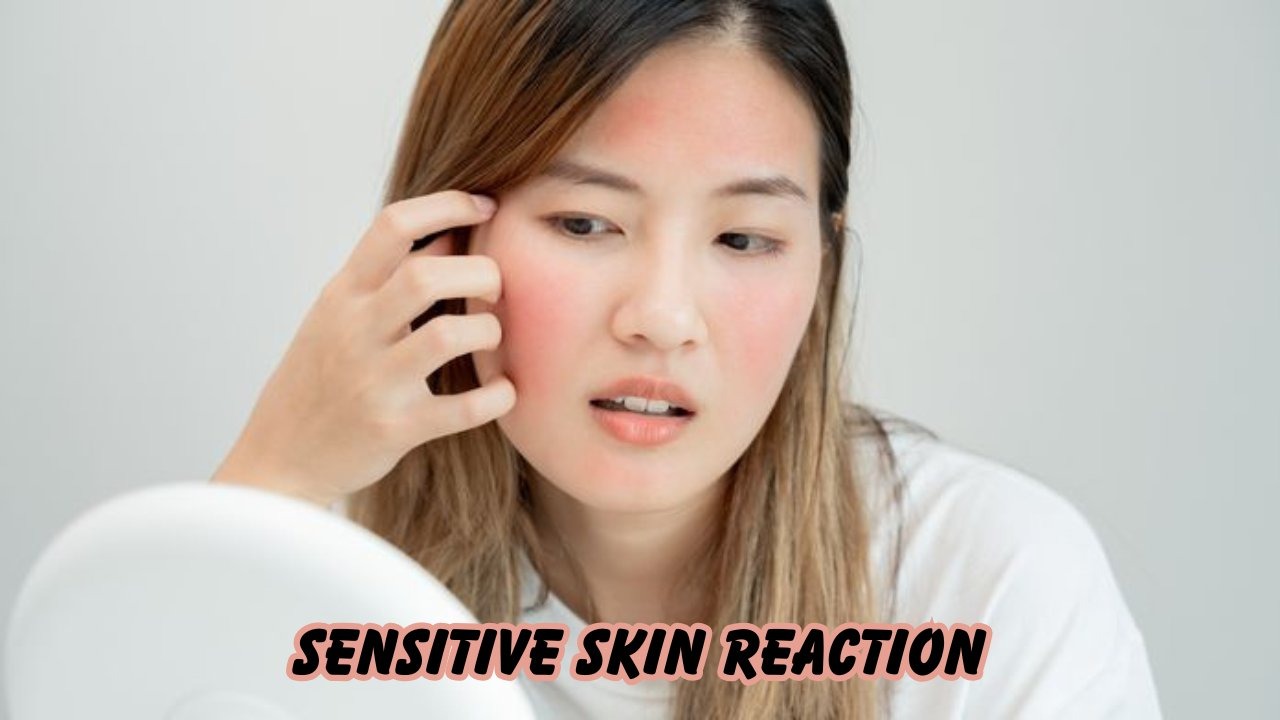
A sensitive skin reaction can happen to anyone, often appearing when you least expect it. Your skin might suddenly feel itchy, tight, or uncomfortable after exposure to certain products or environmental factors.
Knowing what causes these reactions is essential for achieving lasting comfort. Whether you experience redness, burning sensations, dry patches, or inflammation, these responses signal that something has disrupted your skin’s natural barrier.
In this comprehensive guide, we’ll explore what triggers these uncomfortable responses and how to identify your personal irritants. You’ll discover practical strategies to calm your complexion and prevent future flare-ups. We’ll also recommend gentle skincare routines that work with your skin rather than against it, helping you achieve the comfortable, healthy complexion you deserve.
What Is a Sensitive Skin Reaction?
A sensitive skin reaction occurs when your skin’s protective barrier becomes compromised and responds negatively to various triggers. This condition affects millions of people worldwide, causing discomfort that ranges from mild irritation to severe inflammatory responses.
Your skin serves as your body’s first line of defense against external elements. When this barrier weakens, allergens, chemicals, and environmental factors can penetrate more easily, triggering uncomfortable symptoms. People with naturally thin or fair skin often experience these reactions more frequently, though anyone can develop sensitivity at any point in their life.
Common Symptoms to Watch For
Recognizing the signs of a sensitive skin reaction helps you take quick action. Your skin communicates distress through various signals that shouldn’t be ignored.
Redness typically appears first, often accompanied by a warm or hot sensation. You might notice itching that ranges from mild to intense, making it difficult to resist scratching. Dryness and flakiness often follow, leaving your complexion looking dull and feeling tight. Some people experience stinging or burning, particularly after applying skincare products. In more severe cases, hives, bumps, or rashes may develop.
Primary Causes and Triggers
Understanding what causes your skin to react helps you avoid future discomfort. Multiple factors contribute to skin sensitivity, and identifying your personal triggers requires careful observation.
Environmental Factors
Your surroundings play a significant role in how your skin behaves. Extreme temperatures, whether hot or cold, can strip moisture from your skin and weaken its barrier. UV radiation from sun exposure damages skin cells and increases sensitivity over time. Wind exposure removes natural oils, leaving skin vulnerable to irritation. Indoor heating and air conditioning create dry environments that dehydrate your complexion.
Product Related Irritants
Many skincare and cosmetic products contain ingredients that trigger a sensitive skin reaction in susceptible individuals. Fragrances remain one of the most common culprits, hiding in everything from cleansers to laundry detergents. Alcohol based products strip away natural oils and disrupt the skin barrier. Harsh preservatives like parabens and formaldehyde releasers cause reactions in many people. Strong active ingredients including retinoids and certain acids overwhelm delicate skin when introduced too quickly.
Lifestyle Contributors
Your daily habits significantly impact skin health and reactivity. Stress triggers inflammatory responses throughout your body, including your skin. Poor sleep prevents proper skin regeneration and repair. Dehydration from insufficient water intake leaves skin more vulnerable. Dietary choices, particularly consuming excessive alcohol, spicy foods, or processed items, can exacerbate sensitivity.
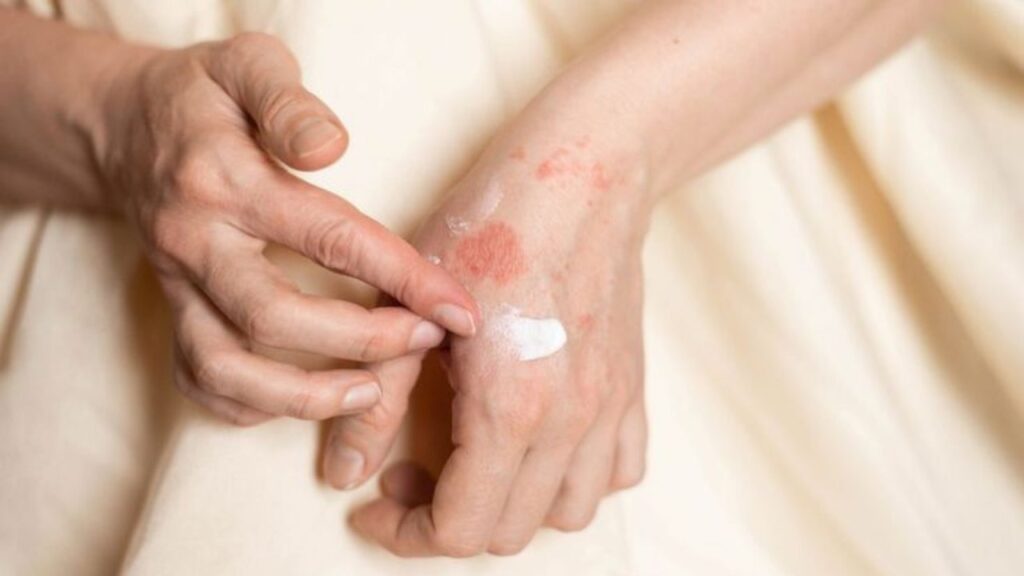
How to Manage and Prevent Sensitive Skin Reaction
Taking proactive steps protects your skin and reduces the frequency of uncomfortable episodes. A thoughtful approach to skincare and lifestyle choices makes a meaningful difference.
Building a Gentle Skincare Routine
Creating an effective routine for reactive skin requires simplicity and patience. Follow these essential steps for calmer, healthier skin:
- Choose a fragrance free cleanser with a pH balanced formula that won’t strip your skin
- Apply a hyaluronic acid serum to boost hydration and strengthen your moisture barrier
- Use a thick, ceramide rich moisturizer to seal in hydration and protect against irritants
- Always apply broad spectrum sunscreen with SPF 30 or higher, choosing mineral formulas with zinc oxide
- Introduce new products one at a time, waiting two weeks before adding another
Ingredients That Soothe Reactive Skin
Certain ingredients work wonderfully for calming a sensitive skin reaction and restoring comfort. Look for these beneficial components in your products:
- Aloe vera provides cooling relief and promotes healing
- Centella asiatica reduces inflammation and supports barrier repair
- Oat extract calms itching and soothes irritated skin
- Niacinamide strengthens the skin barrier and reduces redness
- Chamomile offers anti inflammatory and calming properties
When to Seek Professional Help
Sometimes a sensitive skin reaction requires medical attention. Consult a dermatologist if your symptoms persist beyond two weeks despite avoiding known triggers. Seek immediate care if you experience severe swelling, difficulty breathing, or widespread rash development. Recurring reactions without identifiable causes warrant professional investigation to rule out underlying conditions like eczema, rosacea, or contact dermatitis.
Tips for Long Term Skin Health
Maintaining resilient skin requires consistent effort and mindful choices. Keep a skin diary to track reactions and identify patterns over time. Patch test all new products on your inner arm before facial application. Invest in a humidifier for your home to maintain optimal moisture levels. Choose hypoallergenic laundry products and bedding materials. Drink plenty of water daily to keep your skin properly moisturized from within.
Conclusion
Living with a sensitive skin reaction doesn’t mean accepting constant discomfort. By understanding your personal triggers and building a gentle skincare routine, you can significantly reduce flare-ups and enjoy healthier, calmer skin. Remember to choose fragrance free products, prioritize hydration, and introduce new items slowly to avoid overwhelming your complexion.
Your skin’s sensitivity may never completely disappear, but managing a sensitive skin reaction becomes easier with knowledge and consistency. Pay attention to environmental factors, nourish your skin barrier with soothing ingredients, and don’t hesitate to consult a dermatologist when needed. With patience and the right approach, achieving comfortable, resilient skin is absolutely possible.