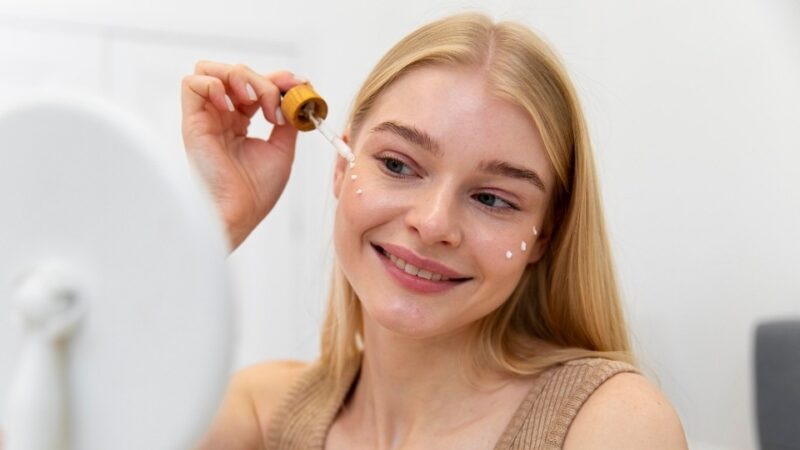

Overproduction of oil is one of the most common skin concerns affecting millions of people worldwide. This frustrating condition occurs when your sebaceous glands work overtime, leaving your complexion greasy and prone to problems.
When your skin produces excess sebum, it can lead to clogged pores, acne breakouts, and an unwanted glossy appearance that no amount of blotting seems to fix. Understanding why this happens is the first step toward achieving balanced, healthy-looking skin.
In this comprehensive guide, we’ll explore the root causes behind oily skin, effective treatments, lifestyle changes, and skincare routines that actually work. Whether you’re dealing with mild shine or severe greasiness, you’ll discover practical solutions to regain control over your complexion.

Understanding Overproduction of Oil and Why It Happens
Overproduction of oil occurs when your sebaceous glands produce more sebum than your skin actually needs. Sebum is a natural waxy substance that protects and moisturizes your skin. However, when produced in excess, it creates that unwanted greasy appearance and can trigger various skin issues.
Your skin contains thousands of sebaceous glands concentrated mainly on your face, scalp, and upper body. These glands are attached to hair follicles and release sebum through your pores. When everything works properly, sebum keeps your skin soft and creates a protective barrier against environmental damage.
Common Causes Behind Excess Sebum Production
Several factors contribute to overproduction of oil on your skin. Understanding these triggers helps you address the problem more effectively.
Hormonal fluctuations play a significant role in sebum production. During puberty, pregnancy, menstruation, or times of stress, your body produces more androgens. These hormones stimulate your sebaceous glands to work harder, resulting in oilier skin.
Genetics also determine how much oil your skin produces. If your parents struggled with oily skin, you’re more likely to experience the same concern. Your genetic makeup influences the size and activity level of your sebaceous glands.
Other contributing factors include:
- Using harsh skincare products that strip natural oils and trigger rebound oil production
- Living in hot and humid climates that stimulate sweat and sebum secretion
- Consuming a diet high in refined carbohydrates and dairy products
- Overwashing your face which signals glands to compensate by producing more oil
- Skipping moisturizer because you think oily skin doesn’t need hydration
The Impact of Excessive Oil on Your Skin Health
When your skin experiences overproduction of oil, several problems can develop. The excess sebum mixes with dead skin cells and bacteria, creating the perfect environment for acne breakouts. Your pores become clogged, leading to blackheads, whiteheads, and inflammatory pimples.
Skin Conditions Linked to Oily Skin
Seborrheic dermatitis is a common condition associated with excess oil. It causes red, scaly patches and stubborn dandruff on oily areas of your body. The overgrowth of yeast that feeds on sebum triggers this inflammatory response.
Enlarged pores become more visible when constantly filled with oil and debris. Over time, this stretching can become permanent, affecting your skin’s texture and appearance. Additionally, oxidized sebum gives your complexion a dull, uneven tone.
Effective Ways to Control Overproduction of Oil
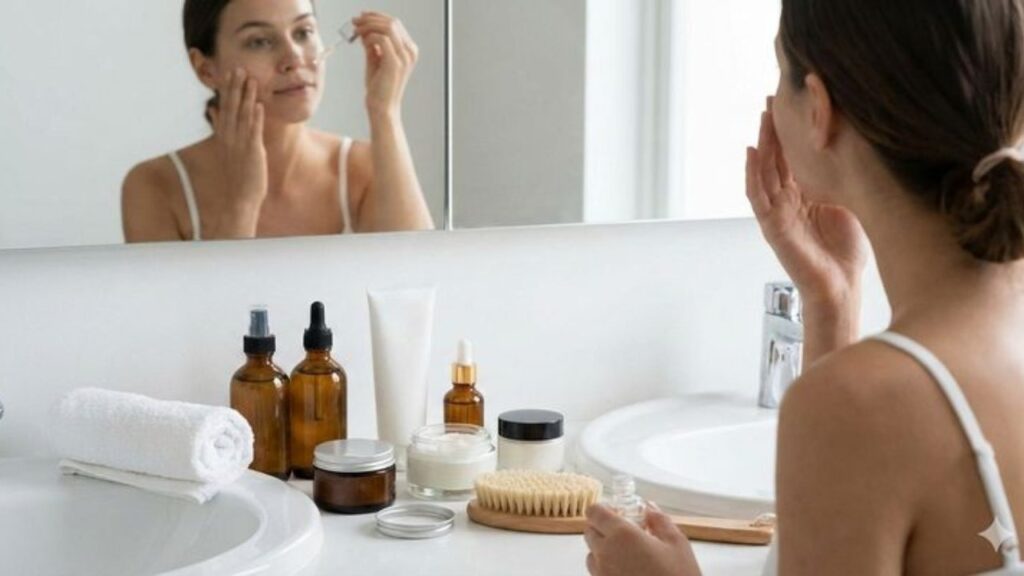
Managing oily skin requires a balanced approach that regulates sebum without causing irritation or dryness.
Building the Right Skincare Routine
Start with a gentle, pH balanced cleanser that removes excess oil without stripping your skin. Look for ingredients like salicylic acid or niacinamide that help control sebum production. Wash your face twice daily and after sweating heavily.
Despite having oily skin, moisturizing remains essential. Choose oil free moisturizers or lightweight gel formulas that hydrate without adding greasiness. Skipping this step actually worsens overproduction of oil as your skin tries to compensate for lost moisture.
Consider incorporating these beneficial ingredients:
- Niacinamide to regulate sebum and minimize pore appearance
- Retinoids to normalize skin cell turnover and reduce oiliness
- Clay masks weekly to absorb excess oil and purify pores
- Hyaluronic acid for lightweight hydration
- Zinc to help control sebaceous gland activity
Lifestyle Modifications That Help
Your daily habits significantly impact your skin’s oil production. Managing stress levels through exercise, meditation, or adequate sleep helps balance hormones that trigger excess sebum. High cortisol levels directly stimulate your oil glands.
Dietary Considerations
What you eat affects your skin’s behavior. Reducing high glycemic foods like white bread, sugary snacks, and processed items can decrease oil production. Instead, focus on whole grains, vegetables, and foods rich in omega 3 fatty acids.
Staying properly hydrated helps your skin maintain balance. When dehydrated, your body may increase oil production to protect the skin barrier.
When to Seek Professional Help
If home remedies don’t control your overproduction of oil, consulting a dermatologist becomes necessary. They can prescribe topical retinoids, oral medications, or recommend professional treatments like chemical peels and laser therapy. Persistent oily skin accompanied by severe acne or other symptoms deserves expert evaluation for underlying hormonal imbalances.
Conclusion
Dealing with overproduction of oil can feel frustrating, but achieving balanced skin is entirely possible with the right approach. By understanding your triggers, building a consistent skincare routine, and making smart lifestyle choices, you can effectively control excess sebum and enjoy a healthier complexion.
Remember that oily skin actually has benefits, including fewer wrinkles and better natural protection. The goal isn’t eliminating oil completely but finding balance. Start with gentle products containing niacinamide or salicylic acid, stay hydrated, manage stress, and be patient. If overproduction of oil persists despite your efforts, don’t hesitate to consult a dermatologist for personalized treatment options tailored to your unique skin needs.