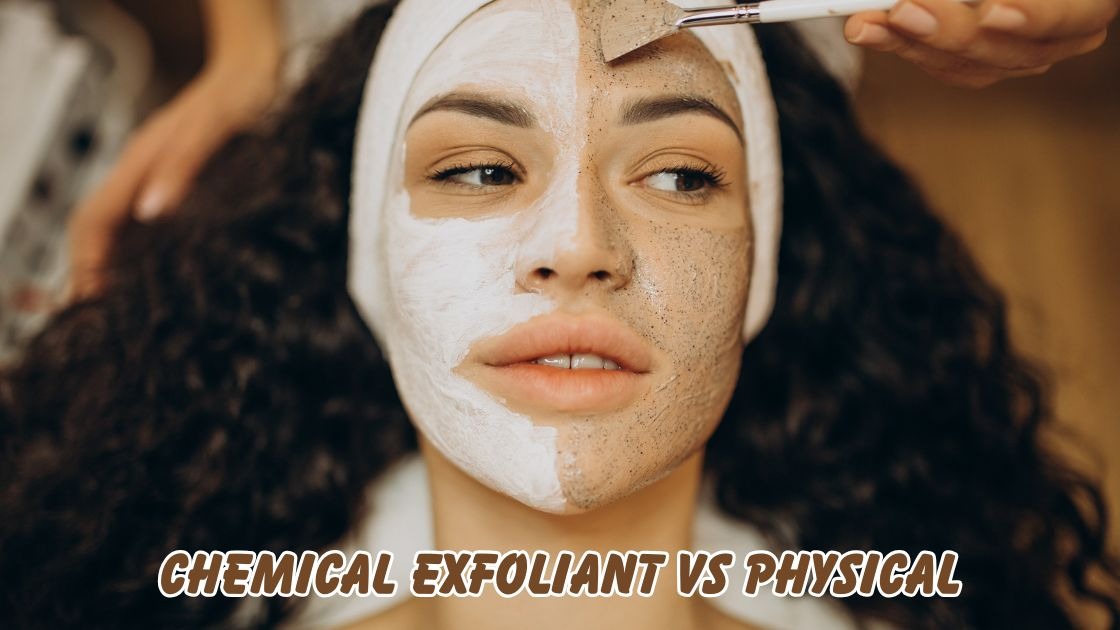
Choosing between a chemical exfoliant vs physical option can feel overwhelming when you’re standing in the skincare aisle. Both methods promise to reveal brighter, smoother skin, but they work in completely different ways. Understanding these differences is essential for building an effective skincare routine that suits your unique needs.
In this comprehensive guide, we’ll break down how each exfoliation method works, explore their benefits and drawbacks, and help you determine which approach matches your skin type. Whether you’re dealing with dead skin cells, seeking to minimize fine lines, or simply want a radiant complexion, this article will give you the clarity you need. By the end, you’ll confidently know which exfoliation technique deserves a spot in your beauty regimen.
Understanding Chemical Exfoliant vs Physical and Why It Matters
Exfoliation involves sloughing off accumulated dead skin cells to reveal fresher, healthier skin underneath. Without regular exfoliation, these cells accumulate, leading to dull, rough, and congested skin. When comparing chemical exfoliant vs physical methods, both aim to achieve the same goal but through distinctly different mechanisms.
Regular exfoliation promotes cell turnover, unclogs pores, and allows your other skincare products to penetrate more effectively. This essential step can transform your complexion from tired and lackluster to glowing and refreshed.
What Is Physical Exfoliation?
Physical exfoliation involves manually scrubbing away dead skin using textured products or tools. This method has been used for centuries across various cultures and remains popular today due to its immediate results.
Common Physical Exfoliants
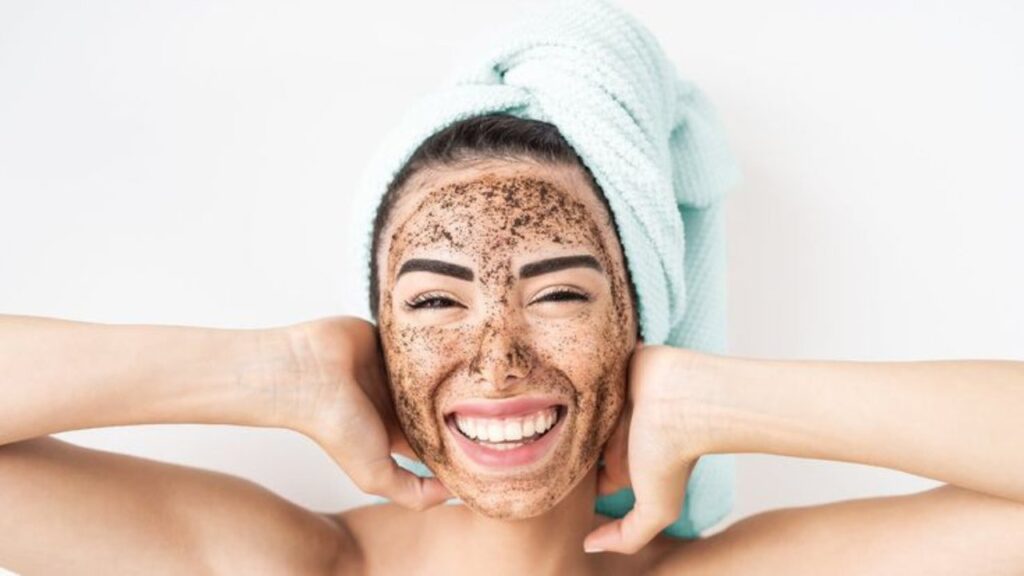
Facial scrubs containing granules like sugar, salt, or microbeads work by physically buffing the skin surface. Other popular options include cleansing brushes, washcloths, loofahs, and microdermabrasion treatments. These tools create friction that lifts and removes surface debris.
Benefits of Physical Exfoliation
Physical methods offer instant gratification. You can feel the smoothness immediately after use, making it satisfying for those who want quick results. This approach works well for normal skin and those who prefer a hands on skincare experience.
What Is Chemical Exfoliation?
Chemical exfoliation uses acids or enzymes to dissolve the bonds between dead skin cells without any scrubbing required. This method works beneath the surface for deeper, more consistent results.
Types of Chemical Exfoliants
Understanding the chemical exfoliant vs physical debate requires knowing the main categories of acid based exfoliators.
- Alpha Hydroxy Acids include glycolic acid and lactic acid that work on the skin surface
- Beta Hydroxy Acids like salicylic acid penetrate oil to unclog pores deeply
- Polyhydroxy Acids offer gentle exfoliation for reactive skin types
- Enzyme Exfoliants derived from fruits provide mild cellular renewal
- Retinoids promote accelerated cell turnover for anti aging benefits
Benefits of Chemical Exfoliation
Chemical options provide more even and controlled exfoliation compared to manual methods. They can target specific concerns like hyperpigmentation, acne, and fine lines more effectively. These products continue working after application, delivering gradual improvements over time.
Key Differences Between Both Methods
When evaluating chemical exfoliant vs physical options, several factors distinguish them significantly.
Mechanism of Action
Physical exfoliants work through abrasion and friction on the skin surface. Chemical exfoliants break down cellular bonds using active ingredients that penetrate different skin layers depending on their molecular size.
Suitability for Skin Types
Sensitive skin typically responds better to gentle chemical exfoliants, particularly PHAs and enzyme based formulas. Physical scrubs can cause microtears and irritation on delicate or inflamed skin. However, those with oily skin or resilient complexions may enjoy both methods equally.
Results and Recovery
Physical exfoliation delivers immediate smoothness but may cause temporary redness. Chemical exfoliation shows progressive improvement with consistent use and generally requires less recovery time when used appropriately.
Choosing the Right Method for Your Skin
Selecting between chemical exfoliant vs physical approaches depends entirely on your individual needs and concerns.
Consider these factors when making your decision:
- Your skin type and current sensitivity level
- Specific concerns like acne, aging, or texture issues
- Your experience level with active skincare ingredients
- Time commitment and desired frequency of use
- Budget considerations for products and treatments
Professional Recommendations
Dermatologists often suggest chemical exfoliants for those with acne prone or aging skin due to their targeted action. Physical exfoliation may suit individuals seeking occasional maintenance without introducing acids into their routine.
Can You Use Both Methods Together?
Many skincare enthusiasts successfully incorporate both techniques into their regimen. However, using them simultaneously or too frequently can compromise your skin barrier and cause irritation.
The safest approach involves alternating methods on different days and monitoring your skin’s response carefully. Always apply sunscreen after any exfoliation since fresh skin becomes more vulnerable to UV damage.
Conclusion
The chemical exfoliant vs physical debate ultimately comes down to your individual skin type, concerns, and preferences. Both methods effectively remove dead skin cells and promote a brighter complexion when used correctly. Chemical options offer gentle, targeted treatment for issues like acne, hyperpigmentation, and fine lines. Physical methods provide instant smoothness and simplicity.
Understanding chemical exfoliant vs physical differences empowers you to make informed choices for your skincare routine. Consider starting with one method, observing how your skin responds, and adjusting accordingly. With patience and consistency, you’ll discover the perfect exfoliation approach that leaves your skin healthy, radiant, and glowing.