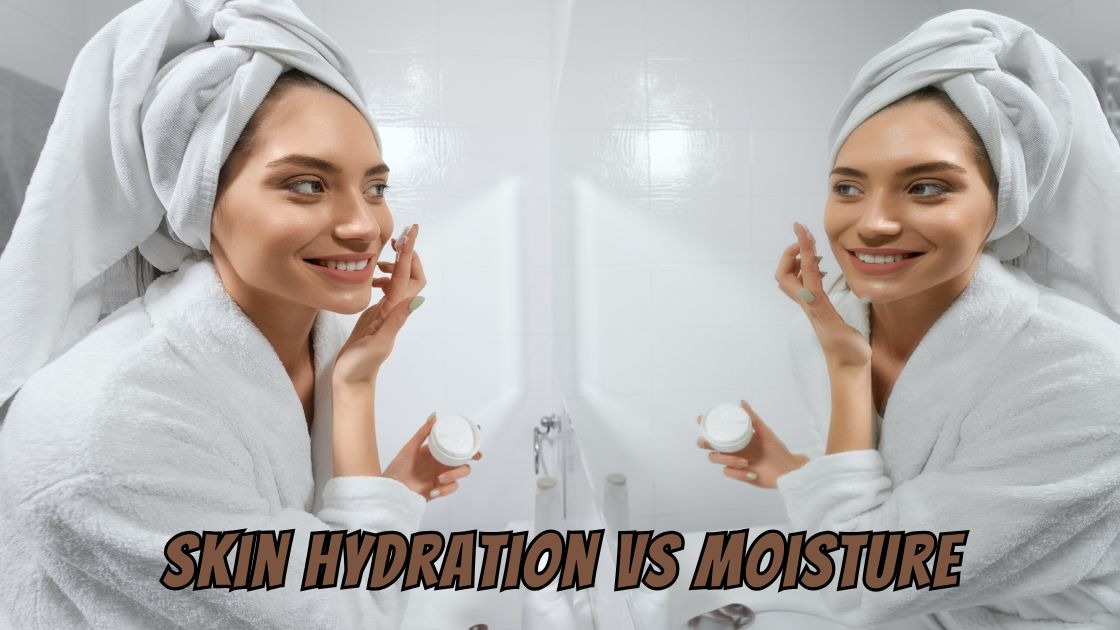
Understanding skin hydration vs moisture is the secret most people overlook when building an effective regimen. These two terms are often used interchangeably, but they address completely different skin concerns. While one focuses on water content within your cells, the other deals with sealing that goodness in.
In this comprehensive guide, you’ll discover the key differences between hydrating and moisturizing your skin. We’ll explore how dehydrated skin differs from dry skin, which skincare ingredients work best for each condition, and how to create a balanced daily routine. Whether you’re dealing with flakiness, dullness, or tightness, knowing this distinction will transform your approach to achieving a healthy, glowing complexion.
Understanding the Core Difference Between Hydration and Moisture
Before diving into your skincare routine, grasping skin hydration vs moisture fundamentals is essential. These concepts target different layers and functions of your skin, and confusing them often leads to ineffective product choices.
What Does Skin Hydration Mean?
Hydration refers to the water content within your skin cells. When your skin lacks adequate water, it becomes dehydrated, appearing dull, tight, and showing fine lines more prominently. This condition can affect anyone, regardless of their skin type, including those with oily complexions. Hydrating products contain humectants that attract water molecules from the environment and deeper skin layers, bringing them to the surface.
What Does Moisture Mean for Your Skin?
Moisture, on the other hand, involves the oil content that creates a protective barrier on your skin’s surface. This lipid barrier prevents water loss and shields against environmental aggressors. When your skin lacks natural oils, it becomes dry, flaky, and rough. Moisturizing products contain emollients and occlusives that soften skin and lock in existing hydration.
Why Understanding Skin Hydration vs Moisture Matters
Recognizing skin hydration vs moisture differences transforms how you approach skincare. Many people use heavy creams when they actually need lightweight hydrating serums, or vice versa. This mismatch explains why expensive products sometimes fail to deliver promised results.
Signs Your Skin Needs Hydration
Your skin communicates its needs through visible signs. Dehydrated skin shows specific symptoms that differ from dryness.
- Skin feels tight even after applying moisturizer
- Fine lines appear more pronounced throughout the day
- Dull and lackluster complexion despite regular exfoliation
- Makeup applies unevenly and settles into creases
- Skin bounces back slowly when gently pinched
Signs Your Skin Needs Moisture
Dry skin exhibits different characteristics that indicate a need for oil-based products and barrier repair.
- Visible flaking or peeling on the surface
- Rough texture that feels uncomfortable
- Redness and irritation in certain areas
- Itching sensation especially after cleansing
- Cracks or scaling in severe cases
How Skin Hydration vs Moisture Works in Your Routine
Understanding skin hydration vs moisture helps you layer products correctly for maximum effectiveness. The general rule follows the principle of applying thinnest to thickest formulations.
The Role of Humectants in Hydration
Hyaluronic acid, glycerin, and aloe vera are powerful humectants that draw water into your skin. These ingredients work best when applied to slightly damp skin, allowing them to capture moisture from your environment. To maximize effectiveness, apply a moisturizer afterward to lock in all that hydration.
The Role of Occlusives and Emollients
Ceramides, shea butter, and plant oils create a protective seal over your skin. These ingredients prevent transepidermal water loss and keep your complexion soft and supple. They work by filling gaps between skin cells and creating a smooth surface.
Building a Balanced Skincare Routine
Addressing skin hydration vs moisture simultaneously creates the healthiest complexion. Most people benefit from incorporating both hydrating and moisturizing products into their regimen.
Morning Routine Tips
Start with a gentle cleanser that doesn’t strip natural oils. Apply a hydrating toner or essence containing hyaluronic acid while skin remains damp. Follow with a lightweight moisturizer and always finish with broad spectrum sunscreen to protect your barrier.
Evening Routine Tips
Nighttime allows for deeper treatment. After cleansing, apply hydrating serums and allow them to absorb fully. Use a richer night cream containing nourishing oils and barrier-repairing ingredients. Consider adding a facial oil as the final step for extra moisture retention.
Common Mistakes When Addressing Skin Hydration vs Moisture
Many people unknowingly sabotage their efforts when tackling skin hydration vs moisture concerns. Over-cleansing strips both water and oil from your complexion. Skipping moisturizer because you have oily skin actually triggers more sebum production. Applying products in an incorrect sequence blocks your skin from absorbing beneficial ingredients effectively.
Choosing the Right Products for Your Skin Type
Oily skin benefits from gel-based hydrators and lightweight, non-comedogenic moisturizers. Dry skin thrives with cream-based hydrators and rich emollient moisturizers. Combination skin may require different products for different facial zones to achieve balance.
Conclusion
Mastering the difference between skin hydration vs moisture is fundamental to achieving your best complexion. Remember, hydration brings water into your cells while moisture locks it in with protective oils and lipids. Both elements work together to maintain a healthy skin barrier, prevent premature aging, and deliver that coveted radiant glow.
By identifying whether your skin is dehydrated or dry, you can select the right skincare ingredients and build an effective routine. Understanding skin hydration vs moisture empowers you to make informed choices, ensuring your skin stays plump, soft, and beautifully balanced all year round.