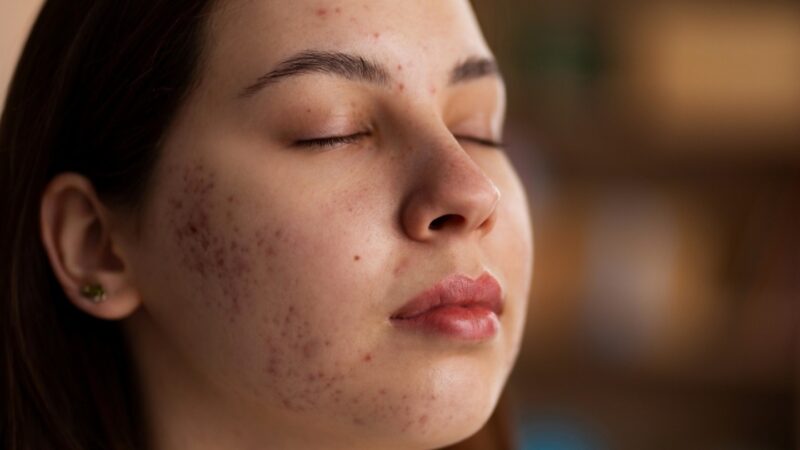
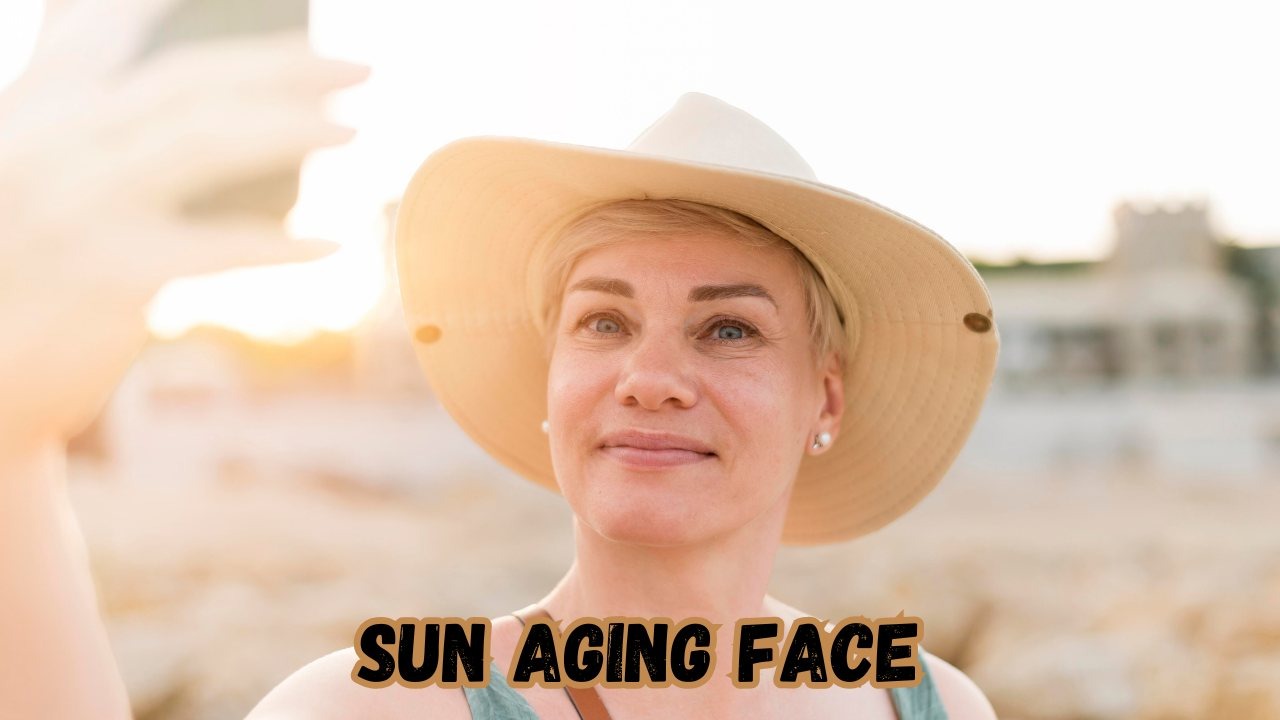
Sun aging face damage is one of the leading causes of premature skin deterioration, affecting millions worldwide. The harmful UV rays from sunlight penetrate deep into your skin, breaking down collagen and elastin fibers that keep your complexion youthful and firm.
In this comprehensive guide, you’ll discover exactly how sun exposure accelerates the aging process and what visible signs to watch for. We’ll explore proven sun protection strategies, effective anti-aging skincare routines, and professional treatments that can help reverse existing damage. Whether you’re looking to prevent future harm or restore your skin’s natural radiance, this article provides everything you need to protect your face from photoaging and maintain healthy, glowing skin for years to come.
Understanding Sun Aging Face Damage
Sun aging face damage, medically known as photoaging, occurs when ultraviolet radiation from the sun penetrates your skin’s layers. Unlike natural aging that happens gradually over decades, sun induced damage can accelerate the aging process by 10 to 20 years. This type of skin deterioration primarily affects areas most exposed to sunlight, including your face, neck, and hands.
The science behind this process is straightforward. When UVA and UVB rays reach your skin, they trigger the production of free radicals that attack healthy skin cells. Over time, this constant assault breaks down the structural proteins responsible for maintaining firm, smooth skin.
How UV Rays Cause Facial Aging
Your skin contains two essential proteins called collagen and elastin that provide structure and flexibility. When exposed to prolonged sunlight, these proteins begin degrading faster than your body can replace them. The dermis layer loses its ability to bounce back, resulting in sagging and wrinkle formation.
Additionally, UV exposure stimulates irregular melanin production, leading to uneven skin tone and stubborn dark spots. The damage accumulates silently over years, often becoming visible only in your 30s or 40s.
Visible Signs of Sun Aging Face
Recognizing early warning signs allows you to take preventive action before damage becomes severe. Sun aging face symptoms vary depending on your skin type and cumulative sun exposure.
Common Symptoms to Watch For
- Fine lines and deep wrinkles appearing around eyes and mouth
- Rough or leathery skin texture on cheeks and forehead
- Age spots and hyperpigmentation patches
- Visible broken blood vessels near the skin surface
- Loss of facial volume and overall skin laxity
These signs typically appear earlier and more prominently in individuals with fair skin, though no skin type is completely immune to photodamage.
Why Prevention Matters More Than Treatment
While modern dermatology offers impressive treatment options, preventing sun aging face damage remains far more effective than reversing it. Once collagen fibers break down and skin cells sustain DNA damage, complete restoration becomes impossible.
The Cumulative Effect
Every unprotected minute in the sun adds to your lifetime exposure total. Research shows that approximately 80 percent of visible facial aging comes from UV radiation rather than chronological aging. This statistic highlights why daily protection is non negotiable for maintaining youthful skin.
Effective Prevention Strategies
Protecting your face from sun damage requires a multi layered approach combining physical barriers with topical products.
Daily Sunscreen Application
Using broad spectrum sunscreen with SPF 30 or higher forms the foundation of any anti aging routine. Apply generously to all exposed facial areas 15 minutes before going outdoors. Reapplication every two hours is essential, especially during swimming or sweating.
Additional Protective Measures
Beyond sunscreen, incorporate these habits into your daily routine:
- Wear wide brimmed hats that shade your entire face
- Choose UV protective sunglasses to shield delicate eye areas
- Stay under shade when sunlight is strongest from mid morning to late afternoon
- Use makeup products containing SPF for added protection
- Install UV filtering film on car windows for driving protection
Treatment Options for Existing Damage
If you already notice signs of sun aging face deterioration, several professional treatments can help restore your complexion.
Professional Procedures
Chemical peels remove damaged outer skin layers, revealing fresher cells beneath. Laser therapy stimulates new collagen production while targeting dark spots. Retinoid treatments prescribed by dermatologists accelerate cell turnover and improve overall texture.
At Home Skincare
Incorporate antioxidant serums containing Vitamin C to neutralize free radical damage. Products with hyaluronic acid help restore moisture and plumpness. Niacinamide effectively addresses uneven skin tone caused by sun exposure.

Long Term Skin Health Recommendations
Maintaining healthy facial skin requires consistent effort throughout your lifetime. Start protection habits early, as sun aging face damage begins accumulating during childhood. Regular dermatologist visits help monitor skin changes and catch potential problems early. Combining daily prevention with targeted treatments gives you the best chance of preserving youthful, radiant skin regardless of your age.
Conclusion
Protecting yourself from sun aging face damage is one of the smartest investments you can make for your long term appearance and skin health. By understanding how UV rays break down collagen and cause premature wrinkles, you can take proactive steps to shield your complexion daily.
Remember that prevention through consistent sunscreen application, protective clothing, and seeking shade works far better than treating existing damage. However, if signs of sun aging face deterioration have already appeared, professional treatments and quality skincare products can significantly improve your skin’s condition. Start implementing these strategies today to enjoy healthier, more youthful looking skin for decades ahead.