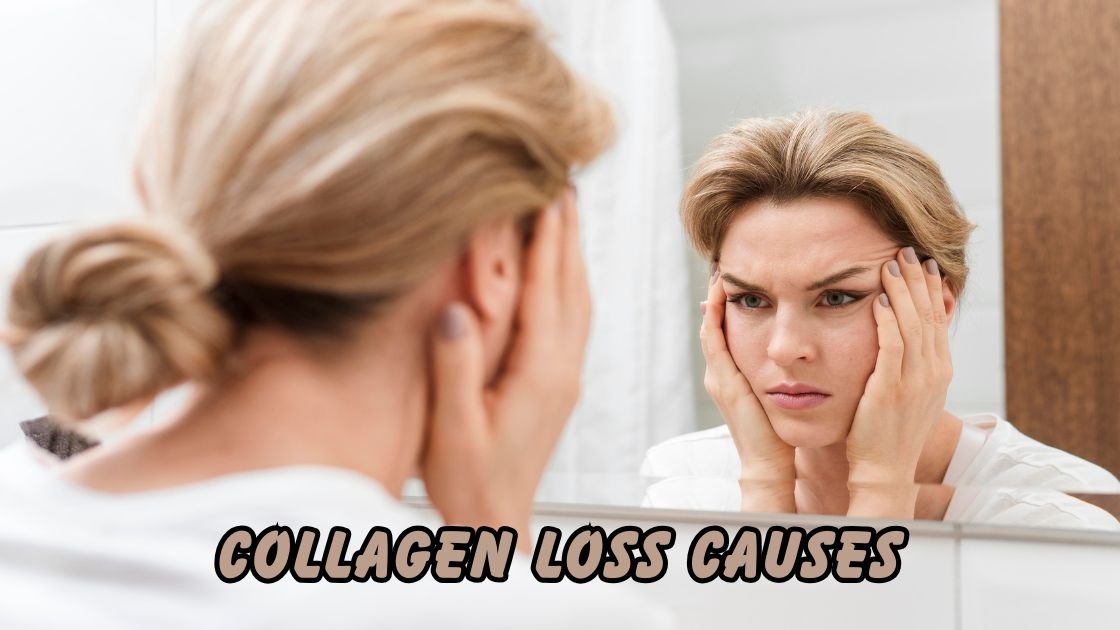
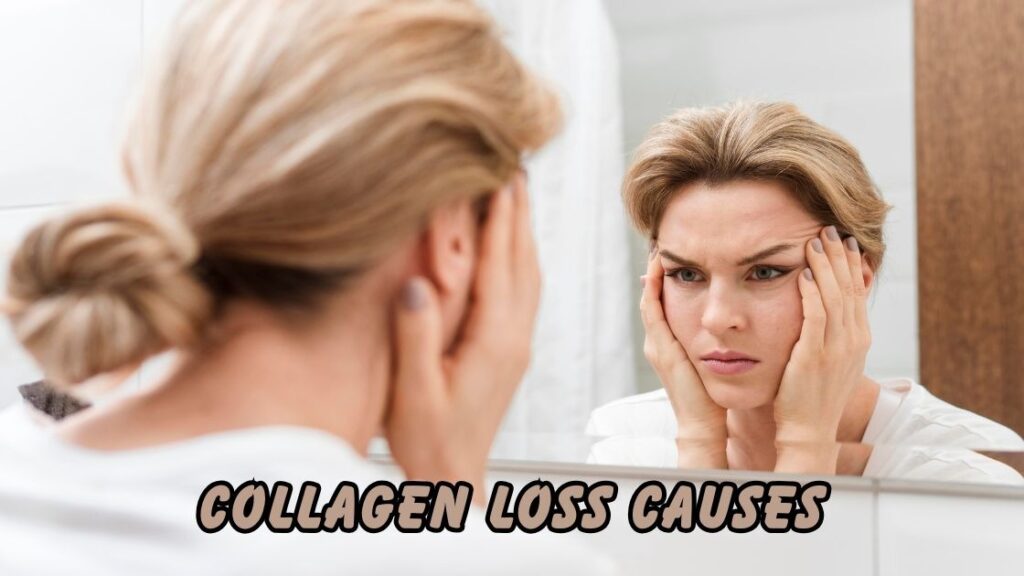
Understanding collagen loss causes is the first step toward maintaining youthful, healthy skin as you age. Collagen, the most abundant protein in your body, provides structure and elasticity to your skin, joints, and connective tissues. However, several factors gradually break down this vital protein over time.
In this comprehensive guide, we’ll explore the primary reasons behind skin aging, including UV exposure, poor lifestyle habits, hormonal changes, and environmental factors. You’ll discover how everyday choices impact your skin elasticity and what science says about slowing down this natural process. Whether you’re noticing fine lines or simply want to protect your skin proactively, this article covers everything you need to know about preserving your body’s collagen levels.
What Is Collagen and Why Does It Matter?
Collagen is a structural protein that makes up approximately 30% of your body’s total protein content. It acts as the building block for your skin, bones, muscles, tendons, and ligaments. Think of collagen as the glue that holds everything together, providing firmness and elasticity to your skin while supporting joint mobility.
As you age, your body naturally produces less collagen, typically declining by about 1% each year after age 25. This gradual reduction leads to visible signs of aging, including wrinkles, sagging skin, and joint stiffness. Understanding collagen loss causes helps you take proactive measures to slow down this inevitable process.
Primary Collagen Loss Causes You Need to Know
Sun Exposure and UV Damage
One of the most significant collagen loss causes is prolonged exposure to ultraviolet radiation. UV rays penetrate deep into the dermis layer of your skin, breaking down collagen fibers and triggering the production of harmful free radicals. This process, known as photoaging, accelerates skin damage far beyond natural aging.
Studies show that up to 80% of visible facial aging results from sun exposure. The damage accumulates over time, making sun protection essential regardless of your age or skin type.
Natural Aging Process
Your body’s collagen production naturally slows down as you get older. After reaching peak production in your early twenties, the decline becomes more noticeable with each passing decade. By age 40, you may have lost approximately 10 to 20% of your original collagen stores.
This natural decline represents one of the unavoidable collagen loss causes, though lifestyle choices significantly influence how quickly this process occurs.
Poor Dietary Habits
What you eat directly impacts your skin’s health and collagen integrity. Diets high in refined sugars and processed foods accelerate collagen breakdown through a process called glycation. Sugar molecules attach to collagen proteins, making them stiff and prone to damage.
Conversely, inadequate intake of vitamin C, amino acids, and antioxidants limits your body’s ability to synthesize new collagen effectively.
Lifestyle Factors That Accelerate Collagen Breakdown
Smoking and Tobacco Use
Smoking ranks among the most destructive collagen loss causes within your control. The chemicals in tobacco smoke directly damage collagen and elastin fibers while reducing blood flow to the skin. Smokers typically develop wrinkles and premature aging signs 10 to 15 years earlier than nonsmokers.
Chronic Stress and Sleep Deprivation
Cortisol, the stress hormone, breaks down collagen when levels remain elevated for extended periods. Similarly, inadequate sleep prevents your body from entering the restorative phases necessary for collagen synthesis and cellular repair.
Environmental Pollution
Air pollution introduces free radicals and toxins that attack collagen structures. Urban dwellers often experience accelerated skin aging due to constant exposure to environmental pollutants and oxidative stress.
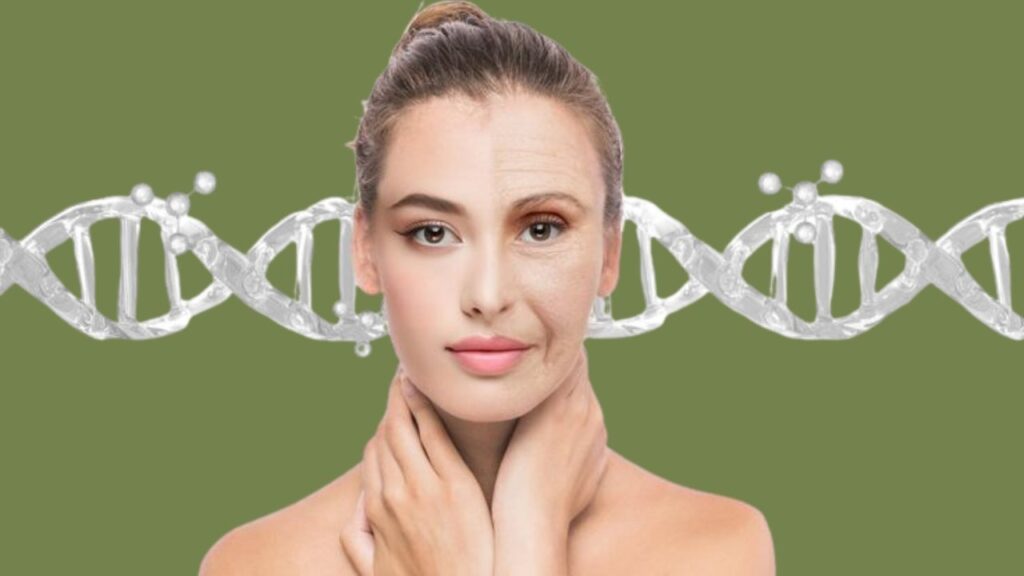
How to Identify Signs of Collagen Depletion
Recognizing early warning signs helps you address collagen loss causes before significant damage occurs. Watch for these indicators:
- Fine lines appearing around eyes and mouth
- Skin losing its firmness and elasticity
- Joints feeling stiff or uncomfortable
- Wounds healing more slowly than before
- Hair becoming thinner or more brittle
Effective Strategies to Combat Collagen Loss
Understanding collagen loss causes empowers you to make better choices. Consider implementing these protective measures:
- Apply broad spectrum sunscreen daily with SPF 30 or higher
- Consume a balanced diet rich in protein and vitamin C
- Stay hydrated to support skin moisture and elasticity
- Quit smoking and limit alcohol consumption
- Use retinoids and antioxidant serums in your skincare routine
The Role of Collagen Supplements
Many people turn to collagen peptides and supplements to support their body’s declining production. While research shows promising results for improving skin hydration and reducing wrinkles, supplements work best alongside healthy lifestyle practices rather than as standalone solutions.
Addressing multiple collagen loss causes simultaneously yields the best results for maintaining youthful, resilient skin throughout your lifetime.
Conclusion
Understanding collagen loss causes is essential for anyone seeking to maintain healthy, youthful skin throughout their lifetime. From UV exposure and poor nutrition to smoking and chronic stress, numerous factors contribute to the breakdown of this vital protein. The good news is that many of these causes remain within your control.
By adopting sun protection habits, eating a nutrient-rich diet, managing stress levels, and following a consistent skincare routine, you can significantly slow down collagen depletion. Remember, addressing collagen loss causes early gives you the best chance at preserving your skin’s natural elasticity and radiance for years to come.