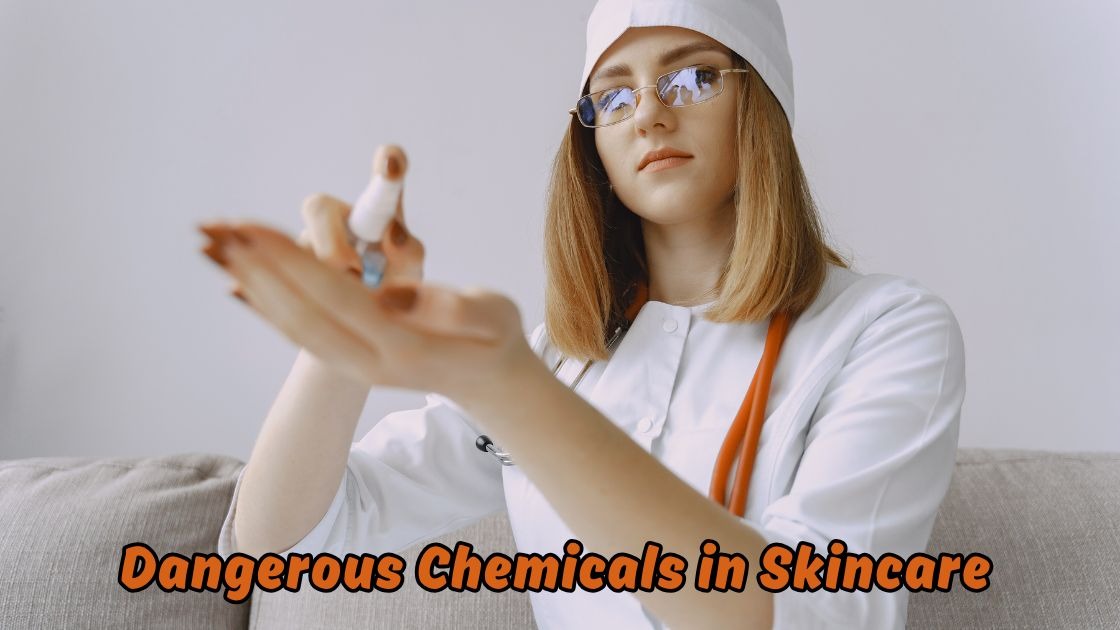
Every day, millions of people unknowingly apply dangerous chemicals in skincare products directly onto their skin. What seems like a simple morning routine could actually be exposing you to toxic ingredients that may cause long-term health risks. From your favorite moisturizer to that luxurious serum, many beauty products contain hidden substances that bypass safety testing. These harmful additives can lead to skin irritation, hormonal disruption, and even serious medical conditions over time.
In this comprehensive guide, we’ll uncover the most concerning ingredients lurking in your bathroom cabinet, explain why they’re problematic, and help you make safer choices for your skincare routine. Your skin deserves better protection let’s discover what to avoid and why it matters for your overall wellness.
Understanding Dangerous Chemicals in Skincare Products
The beauty industry generates billions of dollars annually, yet regulation remains surprisingly limited. Dangerous chemicals in skincare products often slip through because current laws don’t require extensive safety testing before items reach store shelves. Many ingredients approved decades ago have never been reassessed despite emerging research showing potential harm.
Your skin is your body’s largest organ and absorbs approximately 60% of what you apply to it. This means toxic substances can enter your bloodstream within minutes of application. Understanding which harmful ingredients to avoid empowers you to make informed decisions about your personal care products.
Why These Ingredients Are Still Used
Manufacturers continue using questionable compounds because they’re inexpensive, extend product shelf life, and create desirable textures. Unfortunately, consumer safety sometimes takes a backseat to profit margins. The cosmetics industry largely self-regulates, meaning companies decide what’s safe for their customers.
The Most Harmful Ingredients to Avoid
Parabens and Preservatives
Parabens appear in countless beauty products as preservatives that prevent bacterial growth. However, research links these dangerous chemicals in skincare to hormone disruption and potential reproductive issues. They mimic estrogen in the body, raising concerns about breast cancer risk. Check labels for any ingredient with “paraben” in its name including methylparaben, propylparaben, and butylparaben
Synthetic Fragrances
Ingredient labels listing “fragrance” may conceal hundreds of hidden chemicals inside. Companies aren’t required to reveal their fragrance formulations, leaving consumers unaware of what they’re applying. These mystery mixtures frequently cause allergic reactions, headaches, and respiratory problems in sensitive individuals.
Sulfates and Harsh Cleansers
Sodium lauryl sulfate and sodium laureth sulfate create that satisfying lather in cleansers and shampoos. Unfortunately, these aggressive detergents strip away natural oils and damage the skin barrier. Prolonged exposure to dangerous chemicals in skincare like sulfates leads to dryness, irritation, and increased sensitivity.
Health Risks Associated With Toxic Skincare
The consequences of continuous exposure to harmful cosmetic ingredients extend beyond surface-level concerns. Dangerous chemicals in skincare products accumulate in your body over time through a process called bioaccumulation.
Short Term Effects
Immediate reactions include redness, burning sensations, breakouts, and contact dermatitis. Many people dismiss these symptoms as normal adjustment periods rather than warning signs from their body.
Long Term Consequences
Extended use of products containing dangerous chemicals in skincare may contribute to:
- Endocrine system disruption affecting hormones and metabolism
- Early research suggests a potential link to certain types of cancer
- Reproductive health complications in both women and men
- Neurological effects particularly from heavy metal exposure
- Chronic skin conditions that become difficult to treat
How to Identify Safer Alternatives
Reading Labels Effectively
Learning to decode ingredient lists transforms your shopping experience. Ingredients appear in order of concentration, so compounds listed first make up the largest portion of the formula. Watch for chemical names that seem unfamiliar or unpronounceable.
Certifications Worth Trusting
Several organizations verify product safety through rigorous testing. Consider looking for these trusted certifications when selecting clean beauty options:
- EWG Verified mark indicates thorough ingredient screening
- USDA Organic certification ensures natural sourcing standards
- Leaping Bunny confirms cruelty free testing practices
- COSMOS certification validates organic and natural claims
- Made Safe seal verifies absence of known toxic chemicals
Building a Cleaner Routine
Transitioning away from products containing dangerous chemicals in skincare doesn’t require throwing everything away immediately. Start by replacing items you use most frequently, such as moisturizers and facial cleansers. Gradually swap out remaining products as they run out.
Making Informed Choices Moving Forward
Knowledge truly becomes power when navigating the skincare market. Apps like Think Dirty and EWG’s Skin Deep database help you research products before purchasing. These resources rate cosmetic safety and highlight concerning ingredients instantly.
Choosing non-toxic skincare doesn’t mean sacrificing effectiveness. Many clean formulations deliver impressive results using plant-based ingredients, minerals, and scientifically backed compounds. Your commitment to avoiding dangerous chemicals in skincare supports both personal health and encourages industry-wide change toward safer practices.
Conclusion
Protecting yourself from dangerous chemicals in skincare starts with awareness and intentional choices. By understanding which toxic ingredients hide in everyday beauty products, you can safeguard your skin health and overall wellbeing. Remember to read labels carefully, seek trusted certifications, and gradually transition toward clean beauty alternatives.
Your skin absorbs what you apply, making ingredient selection crucial for long-term health. Avoiding dangerous chemicals in skincare isn’t about perfection but progress. Every safer product you choose reduces your exposure to harmful substances while supporting brands committed to consumer safety. Start today and give your skin the protection it deserves.