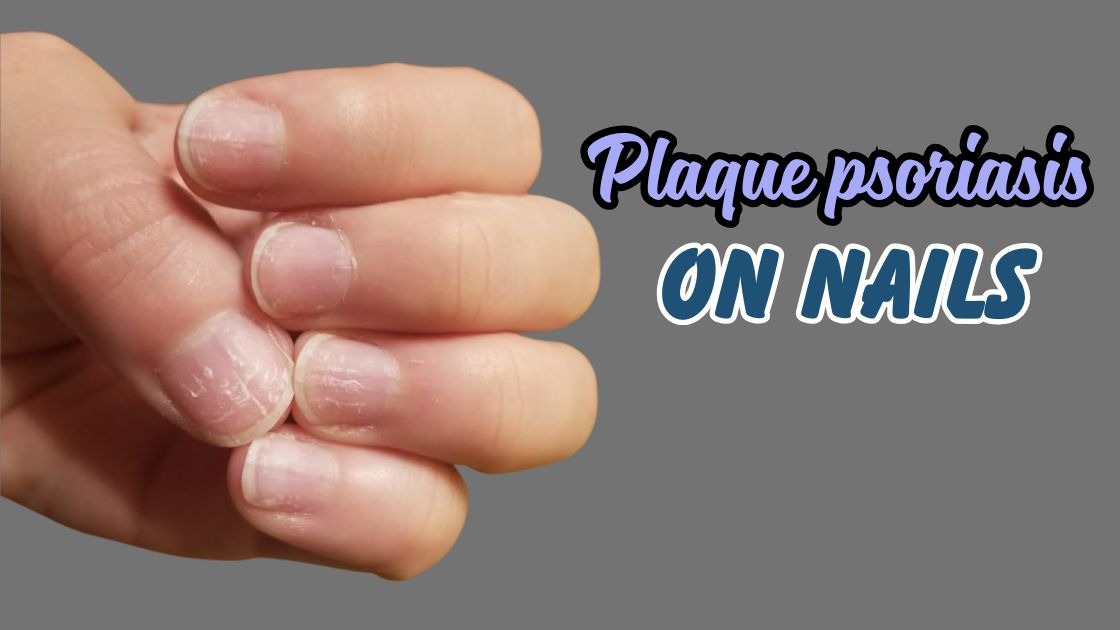
Plaque psoriasis on nails is a frustrating condition that affects millions of people worldwide, causing embarrassment and discomfort in daily life. This autoimmune disorder doesn’t just impact the skin it can significantly alter the appearance and health of your nails too.
In this comprehensive guide, you’ll discover everything you need to know about this challenging condition. We’ll explore the common causes and triggers, help you identify early warning symptoms, and discuss proven treatment options that actually work. Whether you’re newly diagnosed or have been struggling for years, understanding nail psoriasis is the first step toward healthier nails. From home remedies to medical interventions recommended by dermatologists, this article covers practical solutions to help you regain confidence and comfort.
What Is Plaque Psoriasis on Nails?
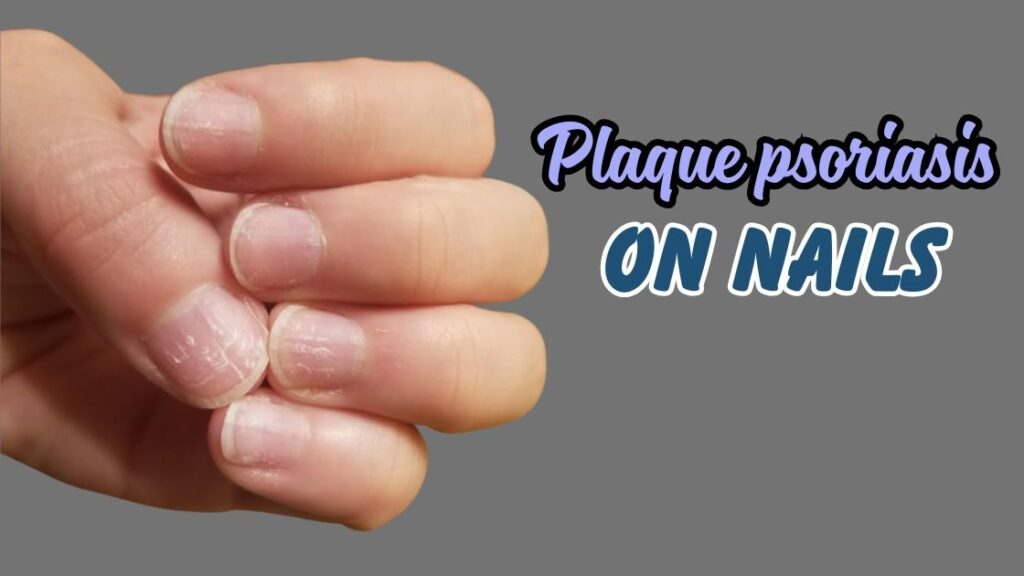
Plaque psoriasis on nails is a manifestation of psoriatic nail disease that occurs when the immune system mistakenly attacks healthy nail cells. This chronic skin condition affects approximately 50% of people with psoriasis at some point in their lives.
The condition develops when skin cells multiply too quickly beneath and around the nail. This rapid cell turnover causes visible changes in both fingernails and toenails. Understanding this condition helps you seek appropriate care early.
How Does It Develop?
The nail matrix and nail bed become inflamed due to immune system dysfunction. This inflammation disrupts normal nail growth patterns. The process typically begins gradually and worsens without proper treatment.
Many patients first notice small changes before the condition becomes more pronounced. Starting treatment early typically results in improved healing and quicker progress.
Common Symptoms and Warning Signs
Recognizing plaque psoriasis on nails early can make treatment more effective. Watch for these telltale signs:
- Nail pitting which appears as tiny indentations or shallow holes on the nail surface
- Discoloration appearing as yellow, brown, or white patches
- Onycholysis which causes the nail to lift away from its underlying bed
- Thickening of the nail plate
- Crumbling or brittle nail edges
- Red or brown spots under the nail
Severity Levels
Mild cases may show only minor pitting or slight discoloration. Moderate symptoms include noticeable nail separation and increased thickness. Severe presentations involve complete nail destruction and significant pain.
The severity often correlates with overall psoriasis activity in the body. People with psoriatic arthritis frequently experience more pronounced nail involvement.
Causes and Risk Factors
Understanding what triggers plaque psoriasis on nails helps in prevention and management. Several factors contribute to this condition.
Genetic Predisposition
Family history plays a significant role in developing nail psoriasis. If your parents or siblings have psoriasis, your risk increases substantially. Specific genes linked to immune system function have been identified.
Environmental Triggers
Various external factors can worsen or initiate symptoms:
- Physical trauma or injury to nails
- Fungal infections
- Stress and anxiety
- Certain medications
- Cold and dry weather conditions
Lifestyle Factors
Smoking and excessive alcohol consumption increase inflammation throughout the body. Poor nutrition lacking essential vitamins weakens nail health. These habits can trigger flares in susceptible individuals.
Effective Treatment Options
Managing plaque psoriasis on nails requires patience and consistency. Multiple approaches exist depending on severity.
Topical Treatments
Corticosteroid creams and ointments reduce inflammation when applied directly. Vitamin D analogues slow down skin cell production effectively. These treatments are most effective for less severe conditions.
Topical retinoids help normalize cell growth around the nail area. Moisturizing the cuticles and surrounding skin supports overall nail health.
Systemic Medications
For more severe nail psoriasis, oral or injected medications may be necessary:
- Methotrexate reduces immune system overactivity
- Cyclosporine suppresses inflammatory responses
- Biologics target specific immune pathways responsible for psoriasis
These prescription treatments require monitoring by a qualified dermatologist or rheumatologist.
Phototherapy
Light therapy using controlled UV exposure can improve nail symptoms. This therapy usually involves several appointments spread across a few weeks. Many patients see improvement when combined with other therapies.
Living With Nail Psoriasis
Daily management of plaque psoriasis on nails involves practical strategies that protect and support nail health.
Nail Care Tips
Keep nails trimmed short to prevent catching and tearing. Avoid picking or manipulating affected nails. Always protect your hands with gloves during household chores or when using cleaning products. Apply moisturizers regularly to keep nails hydrated.
Emotional Impact
Visible nail changes often cause emotional distress and self consciousness. Many people feel embarrassed about their appearance. Support groups and counseling can help address these psychological effects.
When to See a Doctor
Seek medical advice if your condition gets worse even after trying home remedies. Seek immediate attention if you notice signs of bacterial infection such as increased redness, warmth, or pus. Regular checkups help monitor progression and adjust treatments accordingly.
Conclusion
Plaque psoriasis on nails is a manageable condition when you understand its causes and available treatments. From recognizing early warning symptoms like pitting and discoloration to exploring topical treatments and systemic medications, taking action early makes a real difference.
Remember that proper nail care and working closely with a qualified dermatologist are essential for long term improvement. While living with nail psoriasis presents challenges, modern treatments offer hope and relief. Don’t let this condition control your life. With patience, consistency, and the right medical guidance, healthier nails are absolutely achievable. Take the first step toward recovery today.